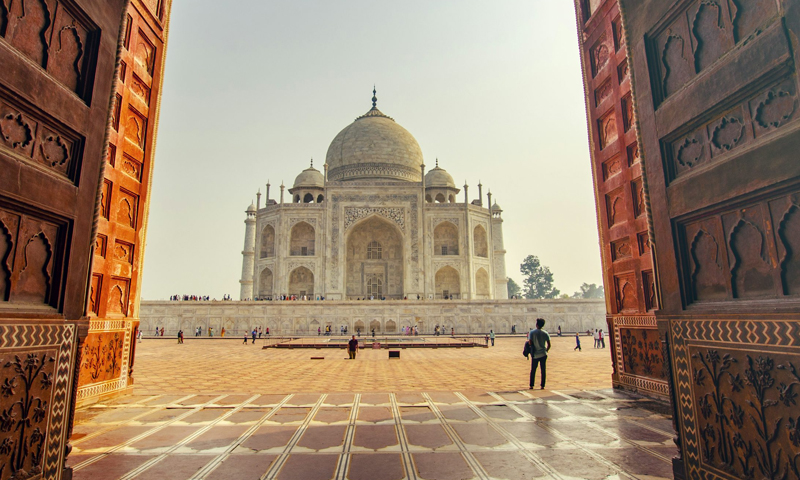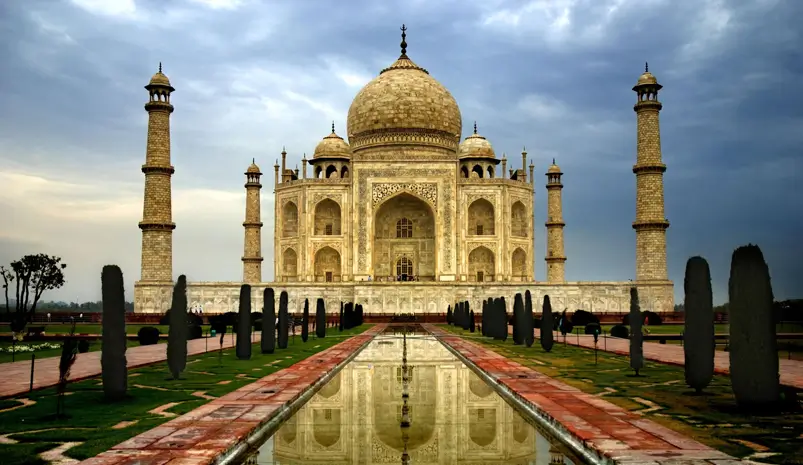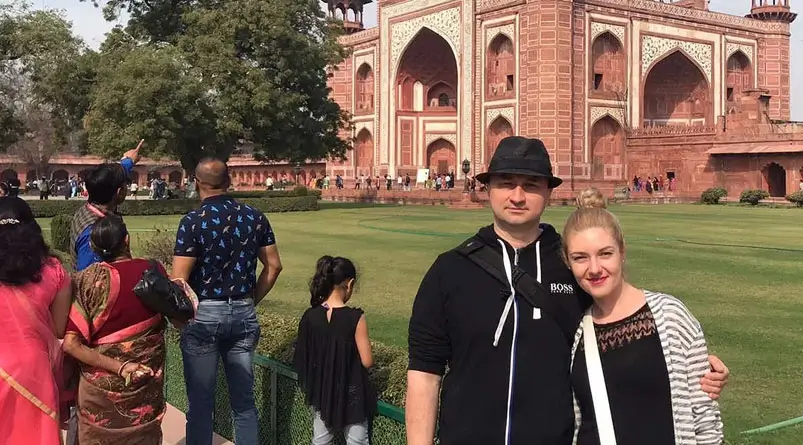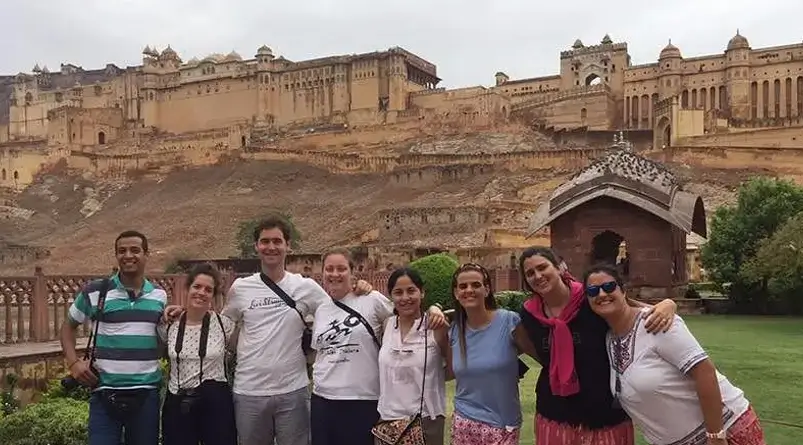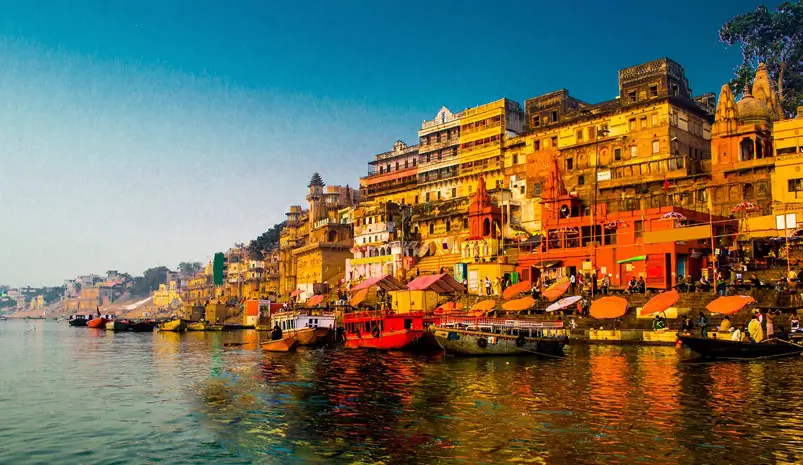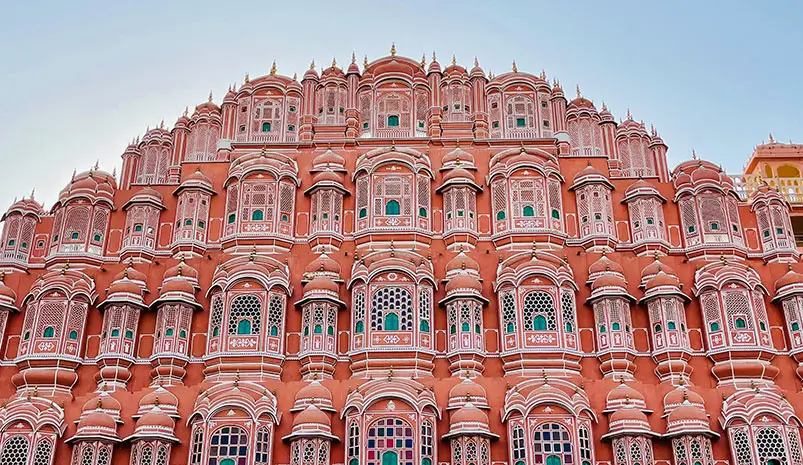



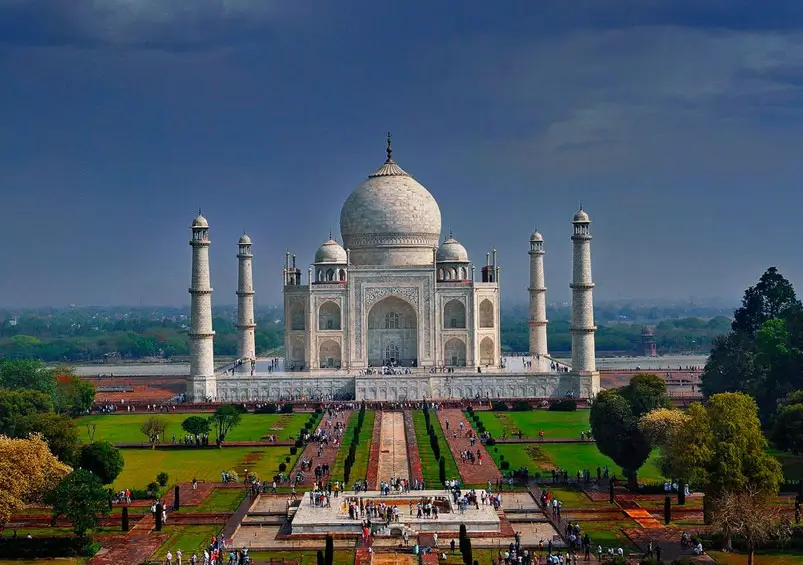
A visit to the Taj Mahal is often the main reason travelers come to Agra, but the city offers far more than a single monument. Agra was once the heart of the Mughal Empire, and its landscape is filled with architectural landmarks, cultural spaces, and historical sites that together tell a broader and richer story. Exploring these attractions alongside the Taj Mahal allows visitors to understand the political power, artistic refinement, and everyday life that shaped this historic city.
For international travelers, combining the Taj Mahal with nearby attractions provides better value, deeper cultural insight, and a more balanced travel experience. These sites are located close to one another, making them easy to include without extending travel time or adding logistical complexity.
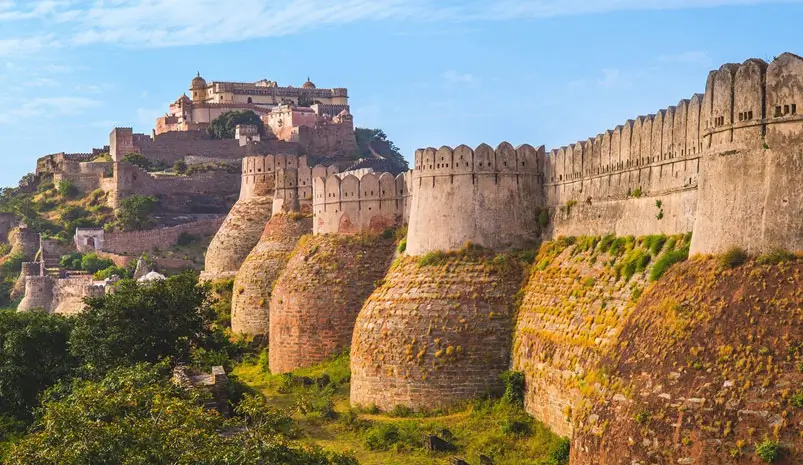
Agra Fort is one of the most significant Mughal structures in India and a natural complement to the Taj Mahal visit. Built primarily of red sandstone with marble accents, the fort served as the administrative and residential center of the empire.
Walking through its massive gates leads visitors into a world of royal courtyards, audience halls, private chambers, and elegant pavilions. The fort reveals how emperors lived, governed, and defended their territory. Views of the Taj Mahal from inside the fort add emotional depth, as they reflect the later years of Shah Jahan’s life.
Agra Fort transforms the Taj Mahal from an isolated monument into part of a living imperial narrative.
Visit Taj Mahal along with Agra Fort, Mehtab Bagh, Baby Taj & local markets. Get a customized sightseeing plan with a private guide and car.
Often admired for its refined design, Itimad-ud-Daulah’s Tomb is an essential stop for travelers interested in Mughal artistry. This monument introduced the marble inlay techniques later perfected in the Taj Mahal.
The tomb’s delicate proportions, detailed stonework, and peaceful riverfront setting create an intimate atmosphere. Visitors can observe floral motifs, lattice screens, and decorative elements up close, gaining appreciation for craftsmanship that influenced later Mughal architecture.
This site offers artistic contrast and historical continuity alongside the Taj Mahal.
Mehtab Bagh provides one of the most visually striking experiences connected to the Taj Mahal. Located across the Yamuna River, this Mughal garden aligns perfectly with the monument, offering unobstructed views.
The garden’s symmetry and elevated viewpoints reveal the careful planning behind the Taj Mahal’s placement. Late afternoon visits are especially popular, as soft light enhances reflections and creates a serene atmosphere.
Mehtab Bagh adds a contemplative dimension to the Taj Mahal experience and is favored by photographers and travelers seeking quieter spaces.
Jama Masjid stands near Agra Fort and reflects the spiritual life of Mughal-era Agra. Built by royal patronage, the mosque features expansive courtyards, red sandstone architecture, and white marble detailing.
Visiting Jama Masjid allows travelers to witness an active place of worship while understanding how religious institutions coexisted with imperial administration. The surrounding area introduces visitors to traditional markets and local neighborhoods.
This attraction adds cultural depth to a Taj Mahal-centered itinerary.
Kinari Bazaar is one of the oldest and busiest markets in Agra. Its narrow lanes are filled with shops selling marble souvenirs, leather goods, handicrafts, spices, and traditional sweets.
For foreign travelers, the bazaar offers insight into local commerce and craftsmanship. While shopping is optional, walking through the market provides sensory exposure to everyday life in Agra.
Including Kinari Bazaar alongside monument visits balances heritage sightseeing with cultural interaction.
Combine your Taj Mahal visit with Agra Fort, Fatehpur Sikri, Itmad-ud-Daulah & Mehtab Bagh. Get a personalized itinerary with car and local guide.
Taj Nature Walk is a landscaped ecological park located close to the eastern gate of the Taj Mahal. It offers walking trails, shaded paths, and viewpoints that frame the monument against natural surroundings.
This attraction appeals to travelers seeking a relaxed pace after monument visits. The park supports biodiversity and provides alternative perspectives of the Taj Mahal without crowds.
It is particularly suitable for nature lovers and photography enthusiasts.
The Mughal Heritage Walk connects lesser-known sites through village paths near the Yamuna River. Guided walks introduce travelers to traditional homes, community spaces, and historic structures not typically included in standard tours.
This experience highlights how local communities live alongside heritage sites. It emphasizes responsible tourism and authentic cultural exchange.
For visitors interested in deeper engagement, this walk adds meaning beyond architectural admiration.
Akbar’s Tomb at Sikandra represents a different architectural expression within Mughal heritage. Set in expansive gardens, the monument reflects Akbar’s inclusive philosophy through its blended design elements.
The site offers a peaceful environment and historical context distinct from the Taj Mahal. Visitors gain perspective on the broader Mughal lineage and governance.
Sikandra complements the Taj Mahal by expanding understanding of Mughal rulers and their legacy.
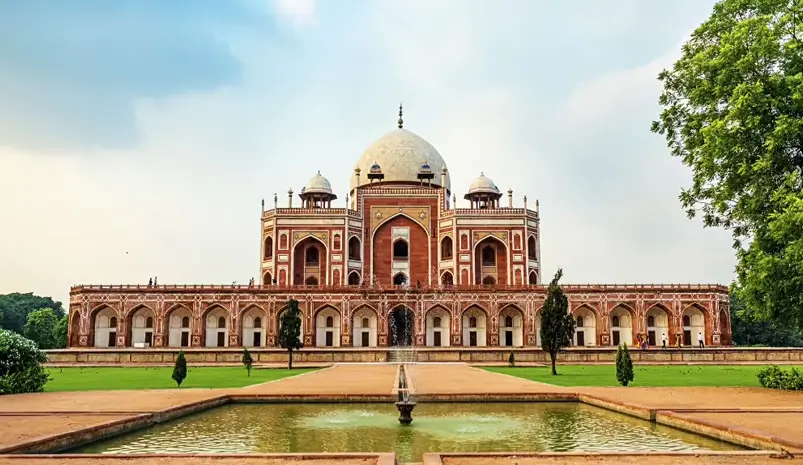
Each of these attractions contributes a different dimension to the Taj Mahal experience. Together, they reveal how art, power, religion, and daily life intersected in Mughal Agra.
By visiting these sites, travelers move beyond a single iconic image and gain a layered understanding of the city’s history and culture. The Taj Mahal becomes part of a larger story rather than a standalone destination.
Efficient planning allows travelers to visit multiple attractions without rushing. Early starts help avoid crowds, while short travel distances reduce fatigue. Combining indoor and outdoor sites creates balance throughout the day.
Private transport and guided tours often enhance comfort and historical interpretation, especially for first-time visitors.
Post By :- Admin On | 28 Dec 2025
Agra Fort is commonly visited either before or after the Taj Mahal.
Yes, most are located within short driving distances.
Yes, major attractions can be covered comfortably in one day.
Guides enhance historical understanding and navigation.
Yes, each monument has its own ticket.
Yes, though some walking is required.
Yes, they provide historical and cultural context.
Yes, but travelers should shop selectively.
Popular sites can be busy during peak hours.
Photography is generally allowed with some restrictions.