


India’s cultural heritage is not only expressed through its temples, monuments and historic cities but also through its rich traditions of music and dance. For centuries, traditional Indian music and dance have been essential forms of storytelling, spiritual expression and cultural celebration. These art forms reflect the history, mythology and emotions of Indian society and continue to play an important role in festivals, ceremonies and cultural gatherings across the country.
Travelers exploring India often focus on visiting monuments or famous landmarks, yet experiencing Indian classical music and dance performances can provide a deeper understanding of the country’s artistic traditions. These performances combine graceful movements, expressive storytelling and intricate rhythms that represent centuries of cultural evolution.
From classical dance forms performed in temple courtyards to vibrant folk performances held during festivals and cultural events, India offers countless opportunities for visitors to witness these artistic traditions. Attending such
performances allows travelers to engage with local culture in a meaningful way while appreciating the creativity and dedication of artists who preserve these traditions.
This guide explores some of the most remarkable traditional music and dance experiences in India that travelers can attend during their journey.
Music and dance have been deeply embedded in Indian culture for thousands of years. Ancient texts and temple sculptures depict musicians and dancers performing in royal courts and religious ceremonies, demonstrating how important these art forms have been throughout Indian history.
In many traditions, dance and music are closely connected with spirituality. Classical performances often interpret mythological stories from ancient epics and religious literature. Dancers use precise gestures, facial expressions and body movements to narrate stories that audiences can understand even without spoken words.
Music in India is equally complex and expressive. Traditional instruments such as the sitar, tabla and flute create intricate melodies and rhythms that accompany dance performances or stand alone as musical experiences.
For travelers, attending live Indian classical performances offers a unique opportunity to witness the emotional depth and technical skill that define these ancient traditions.
Every dance tells a story, and every melody reflects centuries of tradition. Immerse yourself in India’s living cultural heritage.
Chat On WhatsApp Contact UsIndia is home to several classical dance forms, each originating from a specific region and cultural tradition. These dance styles are highly structured and require years of training to master.
One of the most recognized forms is Bharatanatyam, a classical dance originating from the southern state of Tamil Nadu. Bharatanatyam performances feature precise footwork, elegant hand gestures and expressive facial movements that tell mythological stories.
Another well-known classical dance is Kathak, which developed in northern India. Kathak performances often include fast spinning movements, rhythmic footwork and storytelling elements accompanied by classical music.
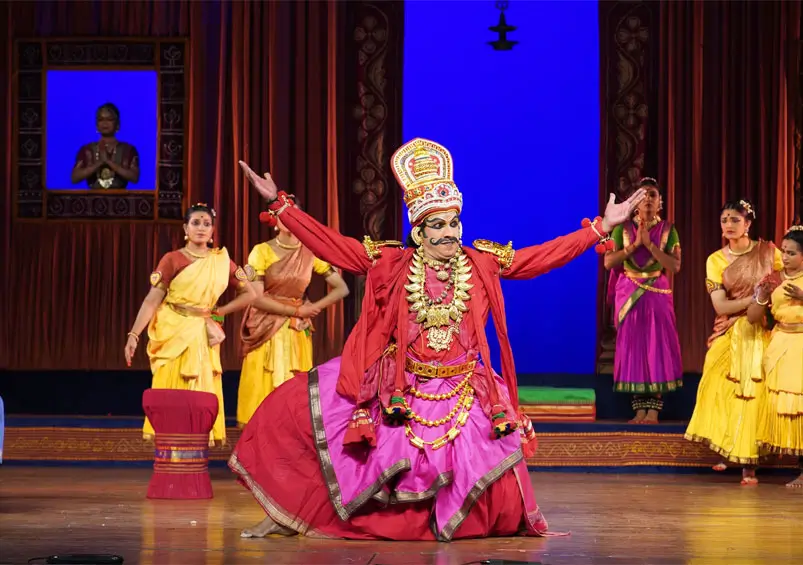
The dance form Kathakali from Kerala is famous for its elaborate costumes, dramatic makeup and theatrical storytelling. Performers use powerful gestures and expressions to portray characters from ancient epics.
Travelers interested in experiencing Indian classical dance performances often attend cultural shows held in theaters, heritage venues or temple festivals.
In addition to classical forms, India also has a rich variety of folk dance traditions that reflect the culture of different regions. These dances are often performed during festivals, weddings and community celebrations.
In Rajasthan, traditional folk dances such as Ghoomar showcase graceful circular movements performed by women wearing colorful traditional clothing. These performances are often accompanied by live folk music played on traditional instruments.
Punjab is known for the energetic dance style Bhangra, which originated as a harvest celebration. Bhangra performances are filled with lively rhythms and powerful movements that create an infectious atmosphere of joy and excitement.
In Gujarat, the dance form Garba is performed during festival celebrations and involves participants dancing in circles around a decorative centerpiece.
These regional dance traditions provide travelers with an opportunity to experience the joyful community spirit that defines many Indian cultural events.
Indian music has developed over centuries into two major classical traditions known as Hindustani classical music and Carnatic classical music.
Hindustani classical music is primarily associated with northern India and features instruments such as the sitar, sarod and tabla. Performances often involve improvisation where musicians explore complex melodic patterns and rhythmic cycles.
Carnatic classical music originates from southern India and is known for its intricate compositions and devotional themes. Instruments such as the violin, mridangam and veena play important roles in these performances.
Attending Indian classical music concerts allows travelers to experience the depth and sophistication of these traditions. Many performances are held in cultural centers, heritage venues and music festivals across India.
Listening to live classical music in an intimate setting can be one of the most memorable cultural experiences during an India trip.
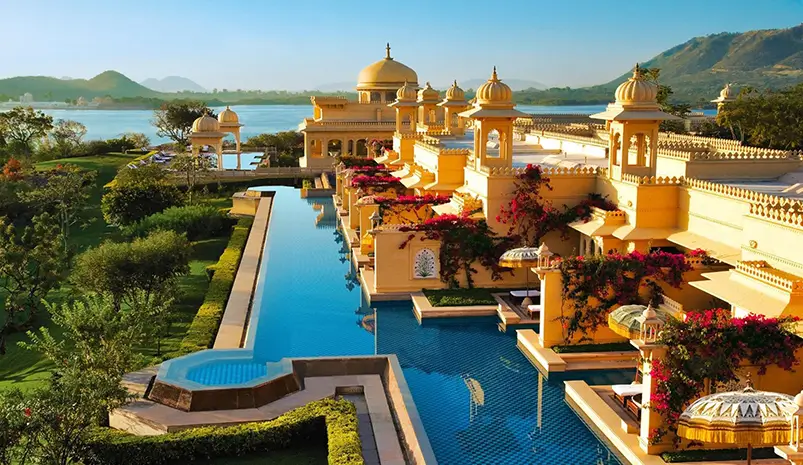
Rajasthan offers some of the most accessible opportunities for travelers to experience traditional Indian music and dance performances. Many heritage hotels and cultural venues host evening performances that showcase regional folk traditions.
These shows often feature musicians playing traditional instruments while dancers perform colorful folk dances that reflect the desert culture of the region.
Performances may include storytelling elements that explain historical legends, royal traditions and everyday life in Rajasthan.
For travelers exploring cities such as Jaipur, Jodhpur or Udaipur, attending a Rajasthani cultural dance show is a wonderful way to experience the artistic heritage of the region.
The performances are typically held in beautifully decorated courtyards or heritage venues that enhance the cultural atmosphere.
Participate in workshops, attend live shows, and connect with local artists to truly understand India’s rich artistic traditions.
Chat On WhatsApp Contact UsMany Indian temple festivals include music and dance performances that are deeply connected with religious traditions. These events often feature classical dancers performing sacred stories in temple courtyards or cultural halls.
In southern India, temple festivals frequently include Bharatanatyam or Kathakali performances that attract both devotees and travelers.
These festivals provide a rare opportunity to witness cultural traditions in their original spiritual context rather than a staged performance environment.
Visitors attending temple festivals should respect local customs and dress appropriately while observing these sacred celebrations.
Experiencing music and dance in such settings allows travelers to understand the spiritual significance behind these art forms.
Many cities across India have dedicated cultural centers where travelers can attend traditional Indian dance and music performances.
These venues host regular programs featuring professional artists who perform classical and folk traditions for audiences interested in learning about Indian culture.
In addition to performances, some cultural centers also offer workshops where visitors can learn basic dance movements or try playing traditional instruments.
Attending performances at heritage venues such as historic theaters or palace courtyards adds an extra dimension to the experience.
These settings create an atmosphere that enhances the beauty and authenticity of the performances.
Travelers interested in experiencing traditional Indian music and dance should consider including cultural events in their travel itinerary. Many cities host evening performances or cultural shows that allow visitors to enjoy these art forms after a day of sightseeing.
Combining monument visits with cultural performances creates a balanced travel experience that highlights both India’s historical heritage and its living artistic traditions.
Travelers planning cultural itineraries often benefit from guidance provided by local experts who can recommend the best venues and performances.
India’s music and dance traditions represent centuries of artistic creativity and cultural expression. These performances tell stories about mythology, history and everyday life while preserving traditions that continue to inspire audiences around the world.
For travelers seeking deeper cultural experiences, attending traditional Indian music and dance performances offers a meaningful way to connect with the country’s heritage.
Whether watching a classical Bharatanatyam recital, listening to a sitar performance or enjoying a lively folk dance in Rajasthan, these artistic encounters provide unforgettable memories.
Experiencing India through its performing arts allows travelers to appreciate the beauty, discipline and emotional depth that define the country’s cultural identity.
Post By :- Admin On | 07 Apr 2026
Travelers can contact Mr. Bhagwan Soni at INDIA WORLD WIDE TRAVEL via +91-9413901196 or info@indiaworldwidetravel.com for personalized travel planning.
Some cultural centers offer workshops where visitors can learn basic dance movements.
Kathakali is a classical dance tradition from Kerala in southern India.
Many cultural venues host Indian classical music concerts throughout the year.
Yes, travelers can observe many temple festival events respectfully.
Bhangra is a lively Punjabi folk dance performed during celebrations.
Yes, many cities offer evening cultural shows for travelers.
Common instruments include the sitar, tabla, veena and flute.
Cultural centers, heritage venues and festival celebrations often host traditional dance performances.
Some well-known classical dances include Bharatanatyam, Kathak and Kathakali.