


India’s markets are not just places for shopping; they are living cultural spaces where history, craftsmanship, and daily life come together in a vibrant and dynamic environment. For travelers, exploring these markets offers a unique opportunity to experience the country beyond monuments and landmarks. A well-planned visit to traditional Indian markets allows travelers to engage with local culture, interact with artisans, and discover products that reflect regional identities.
Unlike modern shopping malls, traditional markets in India are deeply connected to local traditions and economies. Each market has its own character, shaped by the products it offers and the people who operate within it. From textiles and jewelry to spices and handicrafts, these markets provide a comprehensive view of India’s cultural diversity.
For international travelers from the USA, UK, and Europe, navigating Indian markets can feel overwhelming at first due to their scale and energy. However, with the right approach and guidance, these spaces become one of the most rewarding aspects of the journey. Understanding where to go, what to expect, and how to explore ensures a comfortable and authentic market experience in India.
Chandni Chowk in Delhi is one of the oldest and most iconic markets in India, offering a glimpse into the country’s historical and cultural landscape. Established during the Mughal era, this market has evolved into a bustling hub where traditional commerce continues to thrive. Exploring Chandni Chowk market Delhi provides a dynamic and immersive experience that reflects the city’s heritage.
The market is known for its narrow lanes, crowded streets, and diverse range of products. From textiles and jewelry to spices and street food, every section of the market offers something unique. Walking through Chandni Chowk allows travelers to observe the rhythm of daily life, where vendors, buyers, and artisans interact in a continuous flow of activity.
One of the highlights of the market is its food culture. Street food vendors offer a variety of traditional dishes, providing an opportunity to explore local cuisine in an authentic setting. Guided tours can enhance the experience by helping travelers navigate the area and understand its history.
Despite its intensity, Chandni Chowk remains a must-visit destination for those seeking a heritage market experience in India. The combination of history, culture, and commerce creates an environment that is both engaging and memorable.
Visit iconic bazaars like Delhi’s Chandni Chowk, Jaipur’s Johari Bazaar, and Mumbai’s street markets for an unforgettable cultural and shopping experience.
Chat On WhatsApp Contact UsJaipur is known for its vibrant markets, particularly Johari Bazaar and Bapu Bazaar, which are famous for their textiles, jewelry, and handicrafts. These markets offer a more structured environment compared to older bazaars, making them accessible for travelers while still maintaining their traditional character.
Johari Bazaar Jaipur is renowned for its jewelry, including precious and semi-precious stones, traditional designs, and intricate craftsmanship. Exploring this market provides insight into the artistry and techniques involved in jewelry making, reflecting Rajasthan’s royal heritage.
Bapu Bazaar, on the other hand, is known for textiles, leather goods, and traditional clothing. Travelers can find items such as block-printed fabrics, embroidered garments, and handcrafted accessories. The variety of products makes it an ideal destination for those interested in traditional shopping experiences in Rajasthan.
Guided market visits allow travelers to understand the significance of different products and interact with artisans. This adds depth to the shopping experience, transforming it from a transactional activity into a cultural exploration.
Laad Bazaar in Hyderabad is famous for its bangles, particularly those made with traditional techniques and designs. Located near the historic Charminar, the market offers a combination of cultural heritage and vibrant commerce. Visiting Laad Bazaar Hyderabad provides an opportunity to explore one of the city’s most distinctive shopping destinations.
The market is known for its colorful displays, intricate designs, and variety of materials used in bangle making. Artisans create products that reflect both traditional and contemporary styles, catering to a wide range of preferences. Observing the process of crafting these items provides insight into the skill and creativity involved.
In addition to bangles, the market offers textiles, jewelry, and other traditional items. The setting, combined with the products, creates an environment that feels both lively and culturally rich. For travelers seeking a unique shopping experience in India, Laad Bazaar offers a focused and engaging destination.
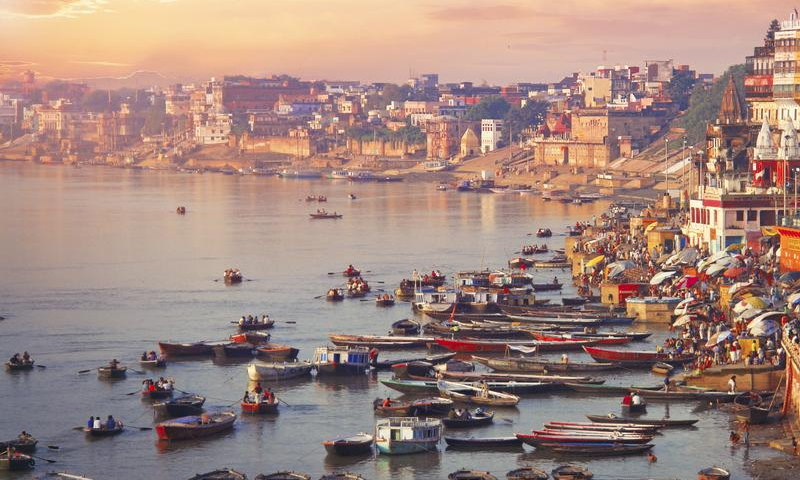
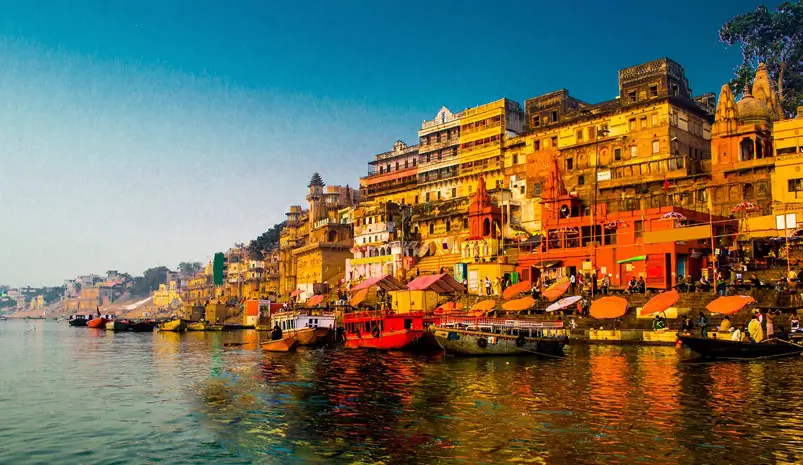
Varanasi’s markets offer a blend of commerce and spirituality, reflecting the city’s cultural identity. Known for its silk sarees and traditional crafts, the markets provide a unique shopping experience that is closely tied to local traditions. Exploring Varanasi silk market allows travelers to understand the craftsmanship behind one of India’s most famous textiles.
The process of creating Banarasi silk involves intricate weaving techniques that have been passed down through generations. Visiting workshops and interacting with weavers provides insight into the effort and skill required to produce these fabrics.
The markets in Varanasi also include items such as handicrafts, religious artifacts, and souvenirs that reflect the city’s spiritual significance. Walking through these spaces allows travelers to observe how commerce and tradition coexist, creating a distinctive environment.
For those interested in cultural shopping in India, Varanasi offers a combination of craftsmanship and spiritual context that is unique to the region.
Crawford Market in Mumbai offers a different perspective on traditional markets, combining colonial architecture with modern commerce. The market is known for its wide range of products, including fruits, vegetables, spices, and imported goods. Exploring Crawford Market Mumbai provides insight into the city’s diverse and cosmopolitan character.
The architecture of the market reflects its colonial history, creating a setting that feels distinct from other markets in India. The variety of products and the organization of the space make it relatively easy to navigate, providing a comfortable experience for travelers.
In addition to shopping, the market offers opportunities to observe local life and interactions. The combination of traditional and modern elements creates a dynamic environment that reflects Mumbai’s identity. For those seeking a local market experience in Mumbai, Crawford Market offers a balanced and engaging option.
Exploring markets in India requires a thoughtful approach to ensure comfort and enjoyment. Understanding how to navigate these spaces helps travelers make the most of their experience. Shopping in Indian markets involves more than just purchasing items; it is about engaging with the environment and the people within it.
Travelers should consider visiting markets with a guide, especially in larger cities, to gain insights and navigate efficiently. Bargaining is often part of the shopping experience, and understanding this practice helps in making informed purchases.
Timing is also important, as markets can be crowded during peak hours. Visiting early in the day or during less busy times ensures a more comfortable experience. Being mindful of personal belongings and respecting local customs contributes to a positive journey.
From historic markets to hidden local bazaars, explore authentic shopping experiences that bring India’s culture to life—before they change with modern trends.
Chat On WhatsApp Contact UsIncluding market visits in a custom India travel itinerary adds depth and variety to the journey. These experiences can be combined with other cultural activities, creating a balanced itinerary that reflects different aspects of the destination.
Working with a local expert ensures that market visits are well-organized and aligned with the traveler’s interests. This approach allows for a more structured and enjoyable experience, reducing the challenges associated with navigating busy environments.
Traditional markets offer a window into India’s culture, providing experiences that are both dynamic and meaningful. By exploring these spaces, travelers can connect with local traditions, discover unique products, and engage with communities in a way that feels authentic.
Including market visits in your travel plans ensures a deeper understanding of the country’s diversity and everyday life. With the right approach, these experiences become an essential part of a memorable journey.
Post By :- Admin On | 18 Apr 2026
Guides help in navigation and understanding.
A local travel expert can organize customized experiences.
Yes, they can be curated for comfort and insight.
Morning or less crowded hours are ideal.
Yes, with awareness and proper planning.
They offer silk textiles and spiritual artifacts.
It is known for bangles and traditional crafts.
Its history, diversity of products, and vibrant atmosphere.
Chandni Chowk, Johari Bazaar, Laad Bazaar, Varanasi markets, and Crawford Market are top choices.
Johari Bazaar and Bapu Bazaar offer traditional items.