


India is a country where markets are not just places for buying goods but vibrant cultural spaces filled with history, color and local traditions. For centuries, traditional Indian markets have served as the heart of cities and towns where merchants, artisans and travelers gather to trade goods and exchange stories. These markets reflect the spirit of India’s diverse communities and provide visitors with an authentic glimpse into everyday life.
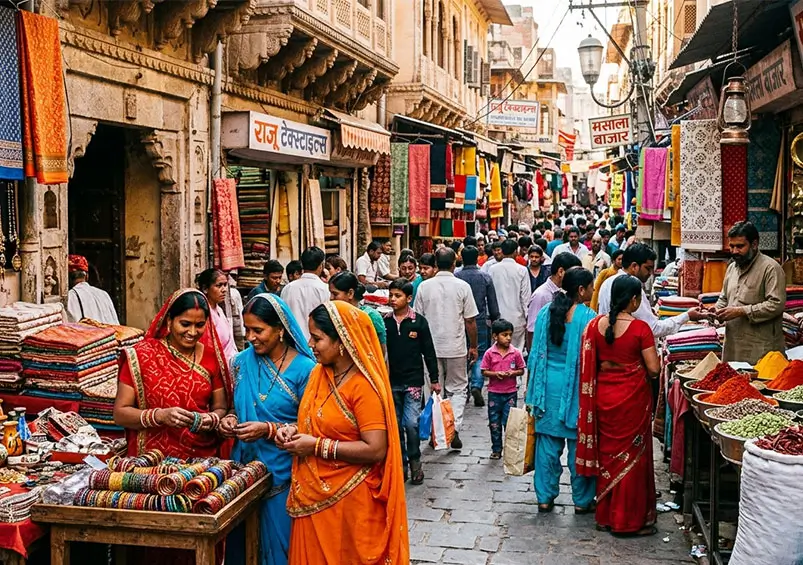
Walking through an Indian bazaar is an experience that engages all the senses. The air is filled with the aroma of spices, the colors of textiles and handicrafts create stunning visual displays and the sound of bargaining between buyers and sellers adds energy to the environment. From historic marketplaces in Delhi to vibrant handicraft bazaars in Rajasthan, every region of India offers unique shopping experiences that reveal local craftsmanship and cultural heritage.
For international travelers exploring India, visiting famous bazaars in India offers an opportunity to discover handmade products, traditional clothing, jewelry and artworks that reflect centuries of artistic traditions. Many of these markets have existed for generations and continue to support local artisans who create beautiful crafts using techniques passed down through families.
This guide explores some of the most fascinating traditional markets across India and explains why they remain essential destinations for travelers seeking authentic cultural experiences.
Markets have always played an important role in Indian society. Long before modern shopping malls appeared, bazaars were the primary centers of trade where merchants sold textiles, spices, jewelry and everyday goods.
These markets were often located near temples, forts or historic city centers where large numbers of people gathered daily. Over time, entire neighborhoods developed around these trading hubs, creating vibrant commercial districts that remain active today.
Traditional markets are not only economic centers but also social spaces where communities interact. Families visit markets to purchase household items, celebrate festivals and meet friends. Street food vendors, artisans and shopkeepers all contribute to the lively atmosphere that defines these spaces.
For travelers, exploring traditional Indian bazaars offers a deeper understanding of local culture and daily life. Markets reveal how communities live, what foods they enjoy and what crafts are valued in different regions.
From historic spice markets to bustling street bazaars, explore must-visit shopping destinations that bring India’s culture to life.
Chat On WhatsApp Contact UsOne of the most famous traditional markets in India is Chandni Chowk, located in the historic heart of Old Delhi. This market dates back to the Mughal era and has been a major trading center for centuries.
Walking through Chandni Chowk is like stepping into a living museum of Indian commerce. Narrow lanes branch off into specialized markets where vendors sell everything from spices and textiles to jewelry and street food.
The market is particularly famous for its spice bazaar, where aromatic spices are displayed in large sacks creating vibrant displays of color and fragrance. Travelers exploring this area often encounter vendors selling dried fruits, herbs and traditional ingredients used in Indian cuisine.
Chandni Chowk is also known for its wedding markets where elaborate fabrics, jewelry and decorative items are sold for traditional ceremonies. These markets reveal the importance of craftsmanship in Indian culture.
Exploring Old Delhi markets provides visitors with an immersive experience that reflects the historic trading traditions of the city.
The city of Jaipur in Rajasthan is famous for its royal heritage and vibrant markets. Among the most renowned is Johari Bazaar, a historic marketplace known for its exquisite jewelry and gemstones.
Jaipur has long been a center for gemstone cutting and jewelry craftsmanship. Skilled artisans transform precious stones into intricate designs that are admired around the world.
Visitors exploring Johari Bazaar can find a wide variety of jewelry including traditional gold ornaments, gemstone necklaces and handcrafted silver pieces. The shops display elaborate designs inspired by royal traditions that once adorned the courts of Rajasthan’s kings and queens.
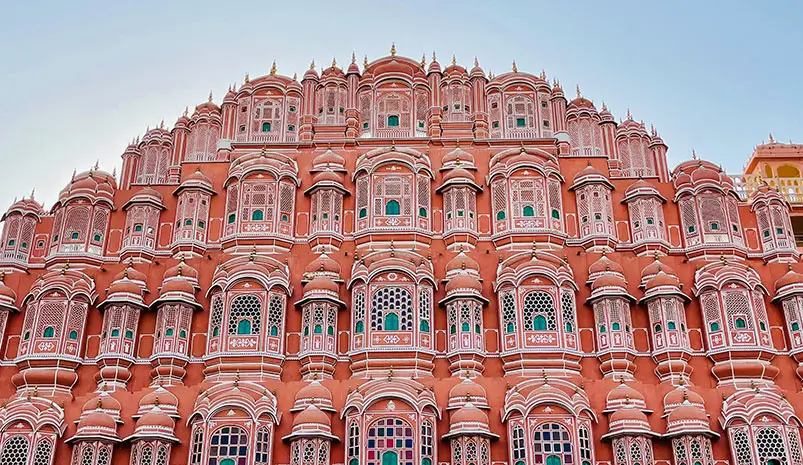
In addition to jewelry, Jaipur markets offer colorful textiles, embroidered fabrics and handcrafted souvenirs. The pink-colored buildings surrounding the bazaar create a visually striking environment that reflects the architectural beauty of the city.
For travelers interested in shopping in Jaipur markets, Johari Bazaar offers a remarkable blend of craftsmanship, history and cultural charm.
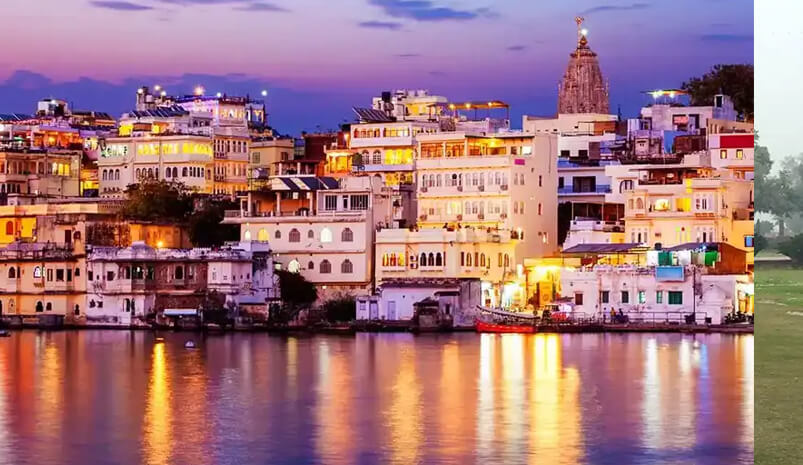
The lakeside city of Udaipur is known for its romantic palaces and artistic traditions. The city’s Bada Bazaar is one of the most fascinating markets in Rajasthan, offering a wide range of handcrafted items and cultural products.
Artisans in this market specialize in traditional crafts such as miniature paintings, leather goods, decorative textiles and wooden carvings. These items often reflect the artistic heritage of Rajasthan, featuring intricate patterns and vibrant colors.
Travelers visiting Bada Bazaar can also find traditional clothing such as turbans, embroidered garments and handmade accessories. These products provide insight into the region’s cultural identity and craftsmanship.
The market’s lively atmosphere makes it a popular destination for both tourists and local residents. Narrow streets filled with small shops create an intimate shopping experience where visitors can interact directly with artisans.
Exploring Udaipur handicraft markets allows travelers to appreciate the creativity and skill that define Rajasthan’s artistic heritage.
In the bustling city of Mumbai, Colaba Causeway market offers a fascinating blend of traditional bazaar culture and modern urban shopping.
Located near the historic Gateway of India, this street market attracts both local residents and international travelers. Vendors line the sidewalks selling clothing, accessories, handicrafts and souvenirs.
Colaba Causeway is particularly popular for its bohemian atmosphere where travelers can browse through stalls displaying colorful scarves, handmade jewelry and decorative items.
Street food vendors and small cafés add to the lively environment, making the market a vibrant social space where people gather to shop and relax.
Exploring Mumbai street markets like Colaba Causeway provides visitors with a glimpse into the city’s energetic lifestyle and cultural diversity.
Visit iconic markets across Delhi, Jaipur, Mumbai, and more to discover unique souvenirs, local crafts, and unforgettable experiences.
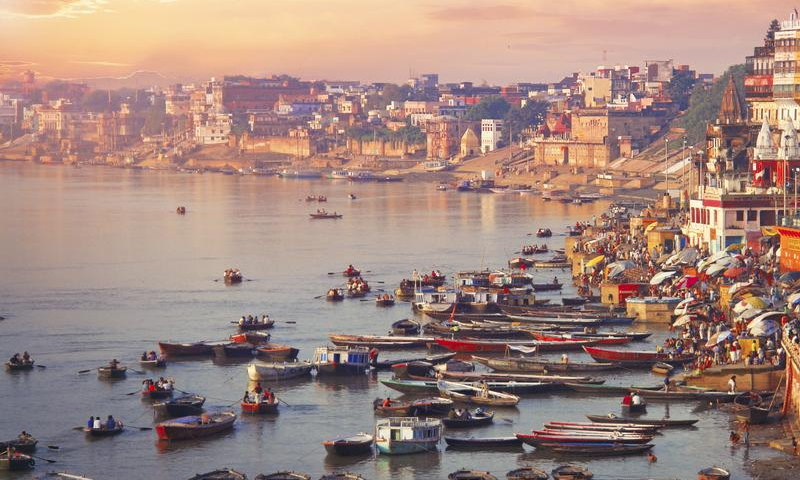
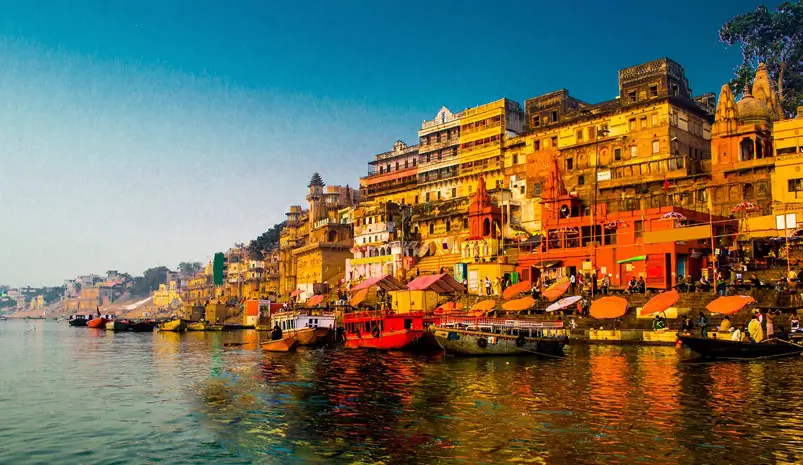
Chat On WhatsApp Contact UsThe ancient city of Varanasi is known for its spiritual significance and traditional craftsmanship. The city’s local markets in Varanasi are famous for Banarasi silk, one of the most celebrated textile traditions in India.
Banarasi silk fabrics are renowned for their intricate weaving patterns and luxurious textures. These textiles are often used to create elegant sarees worn during weddings and special occasions.
Visitors exploring the bazaars of Varanasi will find shops displaying beautifully woven silk garments, scarves and decorative fabrics. Many of these products are handmade by skilled weavers who continue centuries-old weaving traditions.
In addition to textiles, the markets sell religious items, handmade jewelry and brass sculptures that reflect the spiritual character of the city.
Shopping in Varanasi silk markets allows travelers to connect with one of India’s most respected craft traditions.
Indian markets are not only famous for shopping but also for their incredible street food culture. Vendors in many bazaars prepare freshly cooked snacks that reflect regional culinary traditions.
Travelers visiting these markets often enjoy tasting local specialties such as savory snacks, sweets and refreshing drinks.
Street food stalls attract both residents and visitors, creating lively social spaces where people gather to enjoy flavorful dishes. The aroma of spices and freshly prepared food adds another sensory dimension to the market experience.
For travelers seeking authentic cultural encounters, exploring Indian street food markets offers an opportunity to experience local cuisine in its most traditional setting.
Shopping in traditional markets can be a rewarding experience when travelers understand local customs and practices.
Bargaining is a common part of shopping in many Indian bazaars. Vendors often expect friendly negotiation before finalizing a sale. Approaching bargaining with respect and a sense of humor usually leads to enjoyable interactions with shopkeepers.
Travelers should also take time to explore different shops before making purchases. Markets often have multiple vendors selling similar items, and comparing prices can help visitors find the best options.
Carrying smaller denominations of Indian Rupees can also make transactions easier, especially in busy markets.
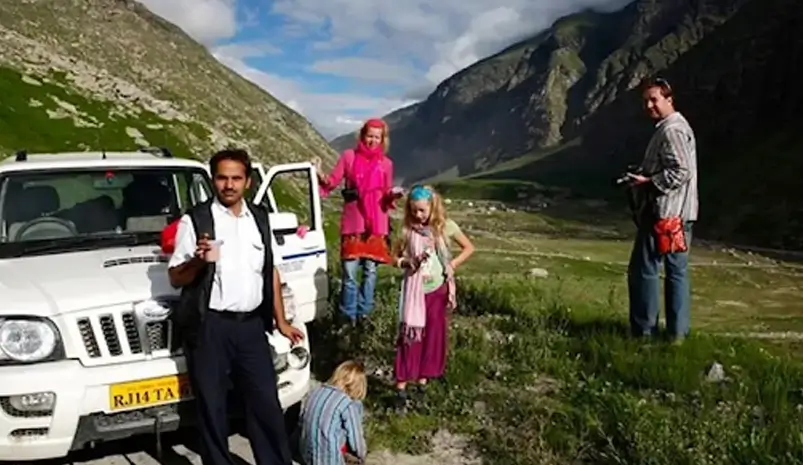
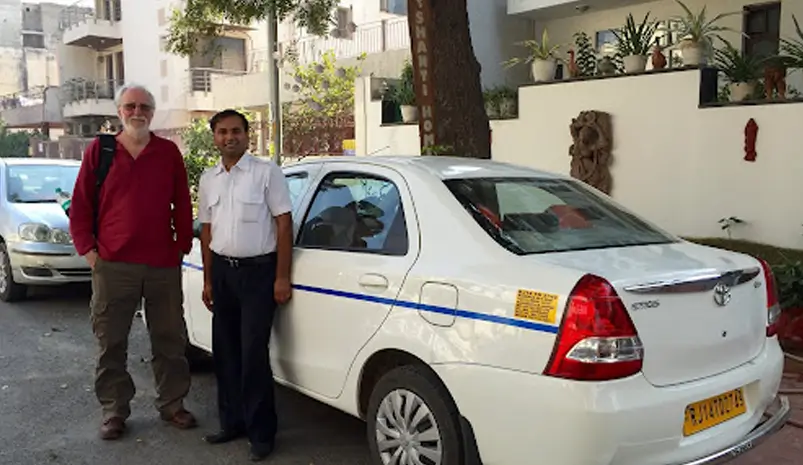
For travelers who prefer guided shopping experiences, local guides can introduce them to reputable shops and explain the cultural significance of various crafts.
Visitors planning shopping tours or cultural itineraries can contact Mr. Bhagwan Soni at INDIA WORLD WIDE TRAVEL on +91-9413901196 or email info@indiaworldwidetravel.com for personalized travel assistance across India.
Traditional markets are among the most vibrant expressions of India’s cultural heritage. These spaces preserve centuries-old trading traditions while continuing to support local artisans and small businesses.
Every bazaar tells a story about the region it represents. From the spice markets of Delhi to the gemstone bazaars of Jaipur and the silk markets of Varanasi, each marketplace reflects the creativity and traditions of the communities that sustain it.
For travelers seeking authentic cultural experiences, exploring traditional Indian markets offers far more than shopping opportunities. It provides a chance to witness daily life, interact with artisans and discover the artistic traditions that make India one of the most culturally rich countries in the world.
Post By :- Admin On | 07 Apr 2026
Travelers can contact Mr. Bhagwan Soni at INDIA WORLD WIDE TRAVEL via +91-9413901196 or info@indiaworldwidetravel.com for customized travel experiences.
Yes, many travelers explore Indian bazaars with local guides to learn about crafts and traditions.
Colaba Causeway in Mumbai is known for street shopping, accessories and souvenirs.
Most markets are safe when travelers follow basic precautions and stay aware of their surroundings.
Yes, bargaining is a common practice in many traditional Indian bazaars.
Banarasi silk is widely available in the markets of Varanasi.
Jaipur markets are famous for gemstone jewelry, textiles and handicrafts.
Chandni Chowk in Old Delhi is one of the most historic and famous markets in India.
Traditional markets in India are commonly known as bazaars.
Cities such as Jaipur, Udaipur and Delhi are well known for handicraft markets.