


India’s identity is deeply connected to its artistic traditions, where crafts are not just decorative objects but expressions of culture, history, and community life. Across the country, different regions have developed unique art forms that reflect their environment, heritage, and way of living. For travelers seeking an immersive journey, exploring traditional Indian arts and crafts provides an opportunity to engage with these traditions in a meaningful and hands-on way.
Unlike buying souvenirs from shops, experiencing crafts through workshops and artisan interactions allows travelers to understand the process behind each creation. It offers insight into the techniques, materials, and cultural significance that define these art forms. From intricate textiles and pottery to painting and metalwork, these experiences highlight the diversity and richness of India’s creative heritage.
For international travelers from the USA, UK, and Europe, participating in craft experiences adds depth to the journey, transforming it from observation to participation. These activities not only provide knowledge but also create a connection with the artisans who preserve these traditions. A well-planned cultural craft experience in India allows travelers to explore creativity while supporting local communities.
Block printing is one of the most well-known traditional crafts in India, particularly in Rajasthan. The process involves carving intricate designs onto wooden blocks and using them to print patterns on fabric. Visiting a block printing workshop in Jaipur or Bagru provides an opportunity to observe and participate in this detailed craft.
The process begins with the preparation of the fabric, followed by the application of natural dyes. Artisans carefully align the blocks to create continuous patterns, requiring precision and skill. Travelers can watch this process step by step and even try printing their own designs under the guidance of experienced craftsmen.
Workshops often include explanations of the history and cultural significance of block printing, highlighting how designs have evolved over time. This creates a deeper understanding of the craft and its role in local traditions. For those interested in textile art experiences in India, block printing offers a detailed and engaging introduction.
Explore places like Shilpgram and Central Cottage Industries Emporium where art, culture, and workshops come together to showcase India’s rich craft heritage.
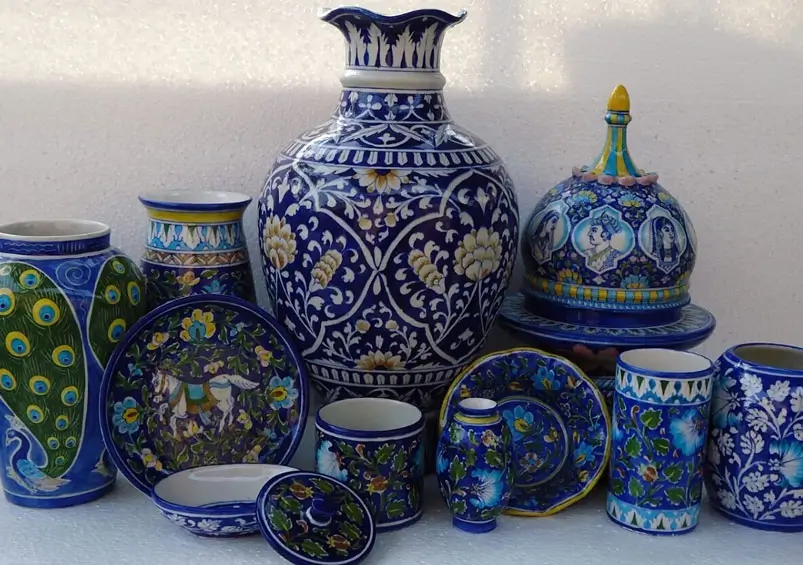
Chat On WhatsApp Contact UsPottery is another important craft in India, with variations found across different regions. In Rajasthan, blue pottery stands out for its distinctive colors and intricate designs. Participating in a pottery workshop in India allows travelers to experience the process of shaping clay and creating handmade objects.
Artisans demonstrate techniques such as wheel throwing, shaping, and painting, providing insight into the craftsmanship involved. Travelers can try their hand at creating simple pieces, gaining an appreciation for the skill required to produce finished products.
Blue pottery workshops also include the process of glazing and firing, showcasing the transformation of raw materials into finished items. This hands-on experience creates a sense of connection with the craft and the artisans who practice it. For those seeking a hands-on cultural activity in India, pottery workshops provide a rewarding and creative experience.
India’s textile heritage is one of the most diverse in the world, with each region offering unique weaving techniques and patterns. Visiting a handloom weaving center in India allows travelers to observe the intricate process of creating fabrics from raw threads.
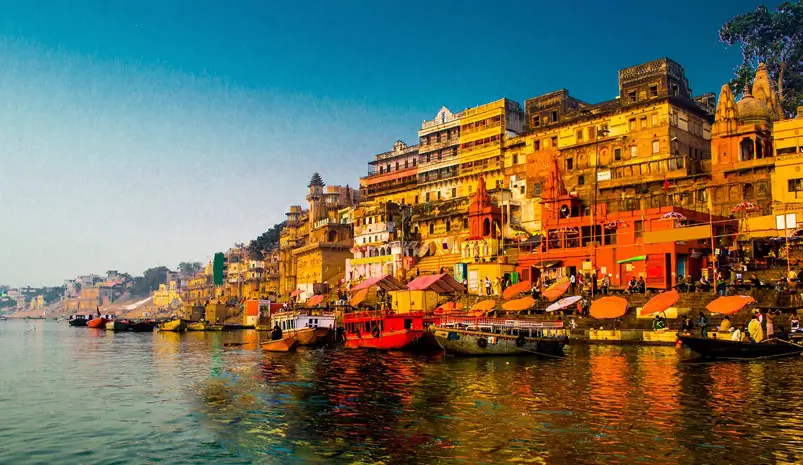
In regions such as Varanasi, Kanchipuram, and Gujarat, weaving is an integral part of local culture. Artisans use traditional looms to create textiles that are known for their quality and design. Observing this process provides insight into the time and effort involved in producing each piece.
Workshops often include demonstrations and opportunities for travelers to interact with weavers, learning about the techniques and materials used. This experience highlights the importance of preserving traditional crafts in a rapidly changing world. For those interested in Indian textile experiences for travelers, handloom weaving offers a detailed and educational perspective.
Miniature painting is a traditional art form that originated in royal courts and continues to be practiced in regions such as Rajasthan. These paintings are known for their intricate details, vibrant colors, and storytelling elements. Participating in a miniature painting workshop in India allows travelers to explore this art form in a structured and engaging way.
Artists demonstrate techniques such as brushwork, color mixing, and composition, providing insight into the creative process. Travelers can attempt simple designs, gaining an appreciation for the precision required in this craft.
The themes of miniature paintings often include historical events, mythology, and everyday life, reflecting the cultural context in which they were created. This adds depth to the experience, making it both artistic and educational. For those seeking a fine art cultural experience in India, miniature painting offers a unique opportunity.
Metalwork and jewelry making are important aspects of Indian craftsmanship, with each region offering distinct styles and techniques. Visiting a jewelry workshop in India allows travelers to observe the process of creating intricate designs using traditional methods.
Artisans demonstrate techniques such as engraving, stone setting, and polishing, providing insight into the craftsmanship involved. Travelers can learn about the cultural significance of different designs and materials, gaining a deeper understanding of the craft.
These workshops often include opportunities to interact with artisans and explore the tools and materials used in the process. This creates a comprehensive experience that highlights both the artistic and cultural aspects of the craft. For those interested in traditional jewelry making experiences in India, these workshops offer valuable insights.
Participating in craft experiences is not only about learning but also about supporting local communities. Sustainable craft tourism in India focuses on preserving traditional skills while providing economic opportunities for artisans.
By engaging with workshops and purchasing handmade products, travelers contribute to the continuation of these traditions. This support helps artisans maintain their craft and pass it on to future generations.
Responsible tourism practices, such as choosing authentic workshops and respecting cultural norms, ensure that these experiences remain beneficial for both visitors and communities. This approach creates a positive impact while enhancing the travel experience.
Participate in workshops, attend craft festivals, and explore artisan villages for a deeper, more meaningful connection with India’s culture.
Chat On WhatsApp Contact UsIncorporating craft experiences into a custom India cultural itinerary requires thoughtful planning. These activities are best combined with other experiences, creating a balanced journey that includes both cultural and leisure elements.
Selecting the right locations, arranging guided workshops, and ensuring comfortable travel arrangements are key to a successful itinerary. Working with a local expert helps in identifying authentic experiences and managing logistics effectively.
If you are planning to explore traditional Indian arts and crafts through workshops and artisan interactions, you can connect with a trusted travel expert.
Traditional arts and crafts provide a unique lens through which travelers can understand India’s culture and history. By engaging with artisans and participating in workshops, visitors gain insights that go beyond visual appreciation.
These experiences create a connection with the people and traditions that define India’s identity, making the journey more meaningful and memorable. Including craft experiences in your travel plans ensures a deeper and more enriching exploration of the country.
Post By :- Admin On | 15 Apr 2026
A local expert can design a personalized itinerary.
No, workshops are designed for beginners.
Yes, they can be combined across different regions.
It provides income and helps preserve traditional skills.
Yes, most workshops include direct interaction.
They offer insight into detailed artistic techniques and history.
Varanasi, Gujarat, and South India are key regions.
Yes, they are guided and designed for all skill levels.
Jaipur and Bagru are well-known for block printing experiences.
Block printing, pottery, weaving, painting, and jewelry making are top options.