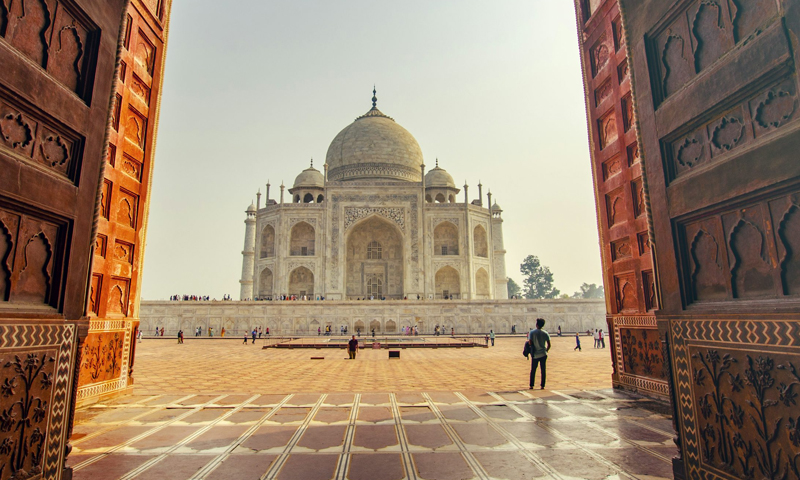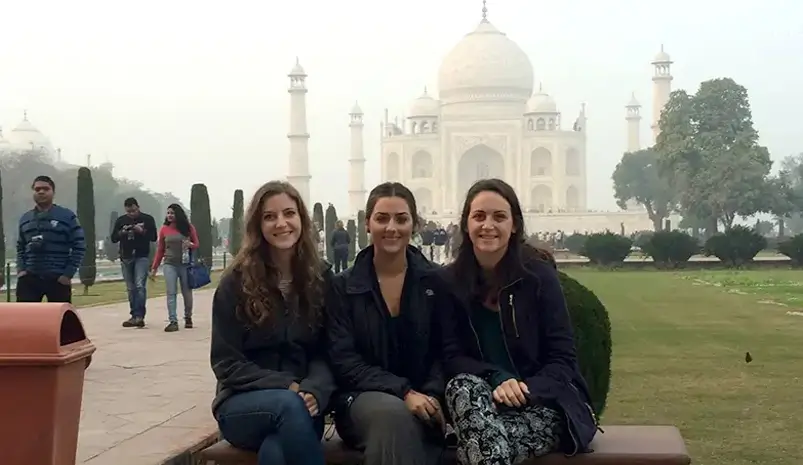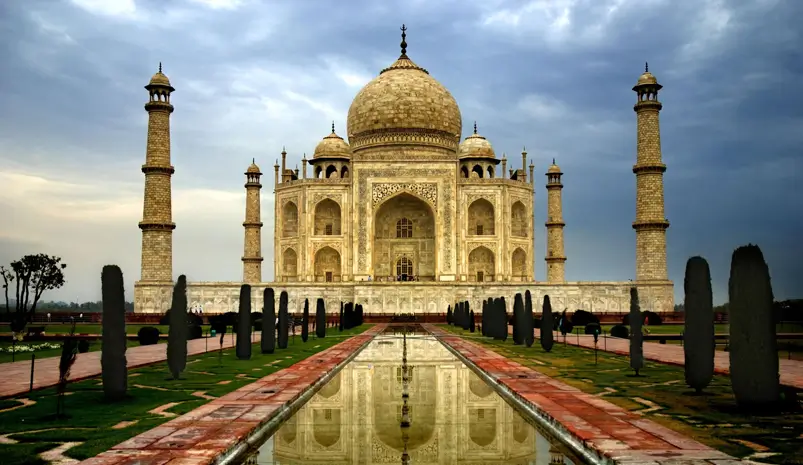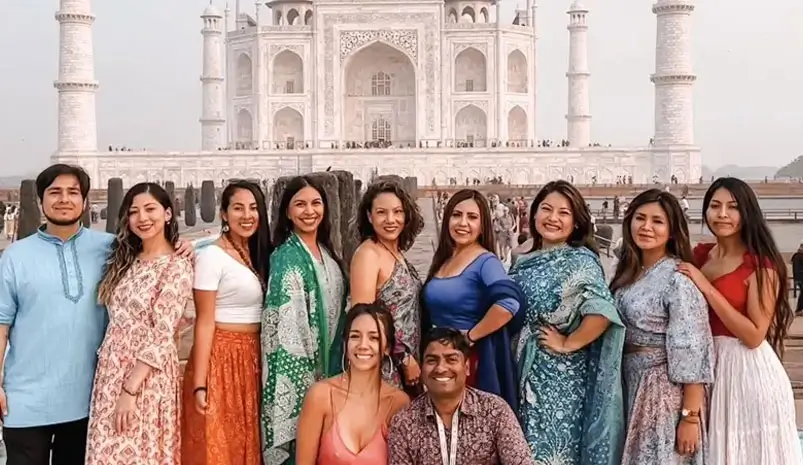



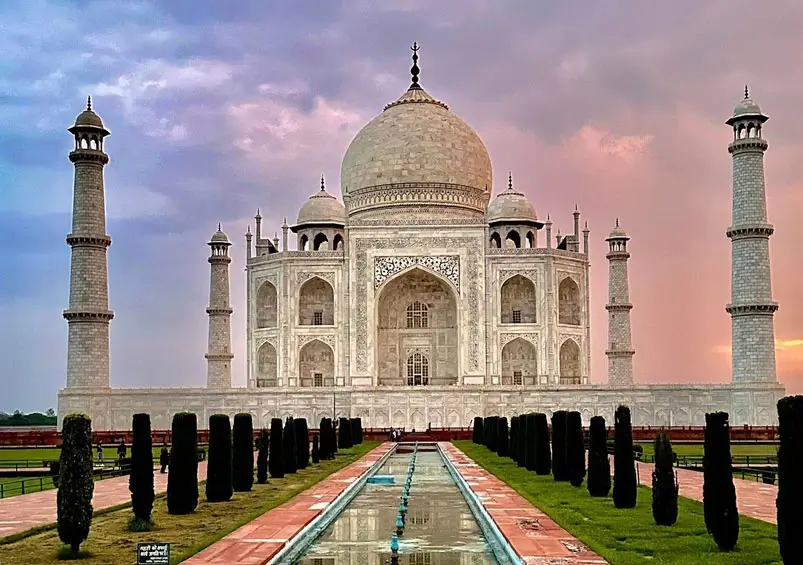
Few monuments in the world evoke the same emotional power, architectural brilliance and poetic beauty as the Taj Mahal. Built in radiant white marble and reflecting centuries of Mughal craftsmanship, the Taj Mahal stands as one of the greatest symbols of love and human artistry. For foreign tourists visiting India, the Taj Mahal often becomes the most meaningful highlight of their journey — a moment of awe, serenity and reflection. Planning the visit carefully enhances the overall experience, especially when considering ticket rules, dress code, best timings, crowd patterns, cultural etiquette and safety.
The Taj Mahal offers a different energy at different hours of the day. Early morning light gives the marble a soft silver glow, while late afternoon warmth creates a golden hue. The monument changes mood according to sunlight, season and atmosphere. Foreign tourists appreciate the peaceful ambience at sunrise, the vibrant visuals during daytime and the emotional depth of the evening hours. Visiting the Taj Mahal becomes more immersive when the journey is supported by clear planning and thoughtful preparation.
This comprehensive guide presents everything a foreign traveler needs before visiting the Taj Mahal — from entrances and ticket details to dress codes, photography guidance, safety, travel tips and emotional highlights. The goal is to help travelers experience the Taj Mahal with comfort, clarity and cultural respect.
The Taj Mahal opens before sunrise and closes before sunset, allowing visitors to enjoy the changing colours of the marble throughout the day. The monument remains closed every Friday for prayers held at the mosque inside the complex. Sunrise and sunset timings change throughout the year, which affects the exact opening hours.
Foreign tourists often begin their visit in the early morning to enjoy quiet surroundings and soft lighting perfect for photography. The morning calm allows travelers to walk the gardens, admire symmetry and appreciate the poetic precision of Mughal architecture without overwhelming crowds.
Certain days, especially during winter or festive seasons, attract high tourist traffic, making early arrival even more valuable. Evening visits offer warmer tones and gentle light ideal for relaxed observation and portrait shots.
Visiting the Taj Mahal for the first time? Let our local travel experts help you plan a smooth and memorable visit. Get assistance with entry tickets, best visiting time, private car with driver, and nearby sightseeing.
Foreign tourists follow a specific ticket category that includes entry into the main complex. There is an additional optional ticket for entering the main mausoleum. Buying tickets online helps save time at the counters and ensures smoother entry.
Ticket options typically include:
Tickets include shoe covers, water bottles and shuttle access depending on the package. Foreign travelers often prefer online reservations because they reduce wait times and ensure secure payments.
The Taj Mahal uses timed entry slots, especially during peak seasons. Travelers should carry valid identification, such as passports, for verification during entry.
The Taj Mahal’s beauty depends heavily on natural light. Foreign tourists often select time slots based on photography preferences and crowd density.
Sunrise Visit (Most Recommended)
Soft golden and silver tones create gentle shadows that enhance symmetry. Fewer visitors arrive at sunrise, offering a peaceful atmosphere. The morning air feels cool, and the reflection pools remain calm for photography.
Late Afternoon Visit
Warm hues appear as the sun lowers, giving the marble surface a glowing texture. This time suits tourists who prefer relaxed pacing over early mornings.
Midday Visit
The marble shines brightly under the sun, creating high-contrast visuals. This period remains crowded but offers clarity for detailed architecture shots.
Seasonal changes also influence lighting. Winters offer misty mornings, while summers bring clearer skies. A private driver ensures timely arrival regardless of the chosen time.
There is no strict formal dress code for the Taj Mahal, but foreign tourists benefit from wearing modest, comfortable and culturally appropriate clothing. The monument is a heritage site with spiritual and historical significance; respectful attire helps maintain cultural harmony.
Ideal clothing recommendations include:
Bright colours, pastel tones and neutral outfits photograph well against the white marble. Umbrellas are discouraged during crowd-heavy periods, while hats and sunglasses remain comfortable accessories during sunny hours.
The Taj Mahal has two major entry gates for tourists:
East Gate
This remains popular among foreign tourists because it offers shorter queues and faster access, especially in the early morning. The area includes ticket counters, electric shuttle services and organised entry lines.
West Gate
Often crowded, especially during local holidays and weekends. It remains suitable for those staying near the western zone of Agra.
A private driver coordinates drop-offs at the most efficient entrance depending on time, traffic and visitor flow.
Shah Jahan’s architectural intention was to create a gradual sense of wonder during entry. The journey through the gates heightens anticipation before the Taj Mahal reveals itself through the grand main archway.
The Taj Mahal maintains strict security protocols. Foreign tourists should carry minimal belongings to speed up the entry process. Items not allowed inside typically include:
Small bags, mobile phones, water bottles and compact cameras are permitted. Strict security ensures the monument’s preservation and visitor safety.
A private driver often stores additional luggage in the vehicle, making it easier for travelers to pass through security without inconvenience.
Foreign tourists love photographing the Taj Mahal because every angle reveals a different mood. The monument’s symmetry, reflection pools, minarets and architectural precision offer endless creative possibilities.
Photography tips include:
Evening light enhances the marble’s warm shades, and morning mist creates dreamy backgrounds. Foreign travelers often appreciate the opportunity to revisit the monument at different times of the day with a private driver, who adapts the schedule accordingly.
Mobile photography has become increasingly popular, and modern smartphones capture the Taj Mahal’s detail effectively. Professional photographers may prefer telephoto lenses to frame the domes and calligraphy intricately.
Respect for heritage and local customs enhances the visiting experience. While the Taj Mahal welcomes millions of travelers each year, maintaining cultural etiquette remains essential.
Guidelines for respectful behaviour include:
Foreign tourists who follow these norms feel a deeper connection to the monument’s historical and emotional significance.
The ideal visiting season stretches from October to March, when the weather remains cool and visibility improves. Winter mornings offer atmospheric mist that enhances photography, while afternoons remain pleasant for longer walks.
Summer months create intense heat, but sunset visits remain comfortable due to cooler evening breezes. Monsoon visitors enjoy dramatic clouds and soothing weather, though occasional showers may reduce visibility.
A private chauffeur ensures comfort across all seasons by offering cool interiors, timely pick-ups and flexible itineraries.
Visiting the Taj Mahal for the first time? Let our local travel experts help you plan a smooth and memorable visit. Get assistance with entry tickets, best visiting time, private car with driver, and nearby sightseeing.
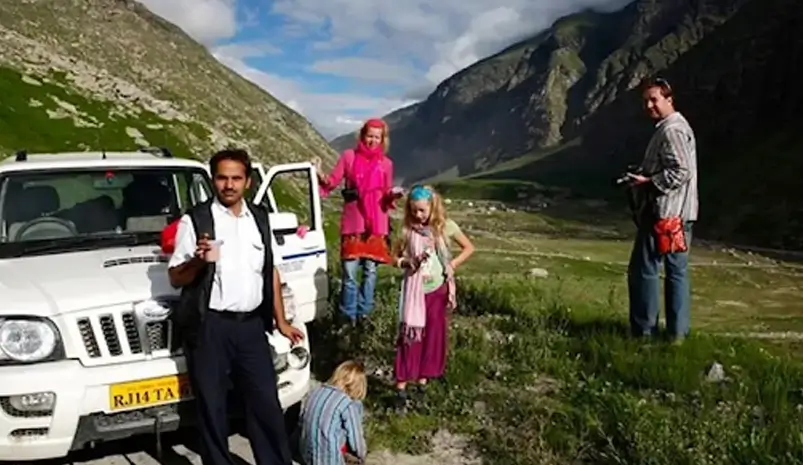
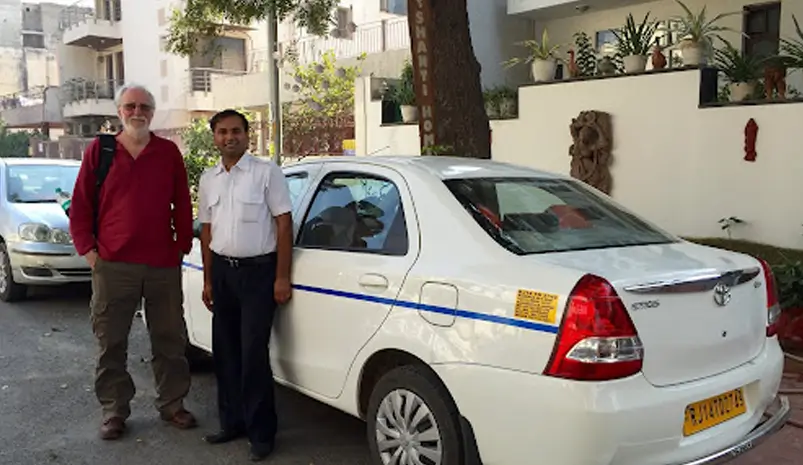
A private car and driver provide unmatched convenience for foreign tourists visiting the Taj Mahal. Agra’s streets around the monument become busy, and parking remains restricted near entry zones. A chauffeur ensures that visitors reach the correct gate, avoid unnecessary crowds and enjoy seamless travel.
Foreign tourists value private driver support because:
The emotional comfort of reliable transportation enhances the Taj Mahal experience and allows travelers to remain immersed in its beauty without stress.
Foreign tourists often expand their visit to include surrounding attractions that enrich the cultural journey. Some of the notable sites include:
Agra Fort
A powerful Mughal structure offering views of the Taj Mahal from its marble balconies.
Mehtab Bagh
A serene riverside garden that provides stunning reverse-side views of the Taj Mahal.
Fatehpur Sikri
A magnificent Mughal palace complex located between Agra and Jaipur, perfect for architecture enthusiasts.
Local Craft Markets
Agra is renowned for marble inlay work, Mughal-style artwork, textiles and carpets.
These extensions become easier with a private driver handling road transitions and scheduling support.
Foreign travelers benefit from practical guidance that enhances comfort, photography opportunities and cultural sensitivity.
The most helpful tips include:
The Taj Mahal is not only an architectural masterpiece but also an emotional experience that rewards patience, quiet observation and thoughtful exploration.
Post By :- Admin On | 20 Dec 2025
Yes, foreign tourist pricing follows a separate category with additional inclusions.
Yes, sunrise offers soft light, cooler temperatures and minimal crowds.
Yes, online booking is highly recommended for convenience.
No, photography is restricted inside the central chamber.
The East Gate usually offers shorter queues and smoother entry.
Yes, authorised guides provide historical context and cultural insights.
Yes, the monument area is highly regulated and safe.
Yes, chauffeurs ensure correct entry points and timing.
No, drones are strictly prohibited.
Months between October and March offer ideal light and weather.