


Planning a visit to the Taj Mahal goes far beyond simply arriving at the monument. Opening hours, ticket structure, crowd behavior, seasonal conditions, and daily timing all play a critical role in shaping the quality of the experience. Travelers who understand these factors in advance enjoy smoother entry, better visibility, and a calmer atmosphere inside the complex.
For foreign tourists, clarity around opening hours, ticket prices, and the best time to visit Taj Mahal helps avoid confusion, long waits, and unnecessary discomfort. This guide explains these elements in detail so that visitors can plan their visit with confidence and precision.
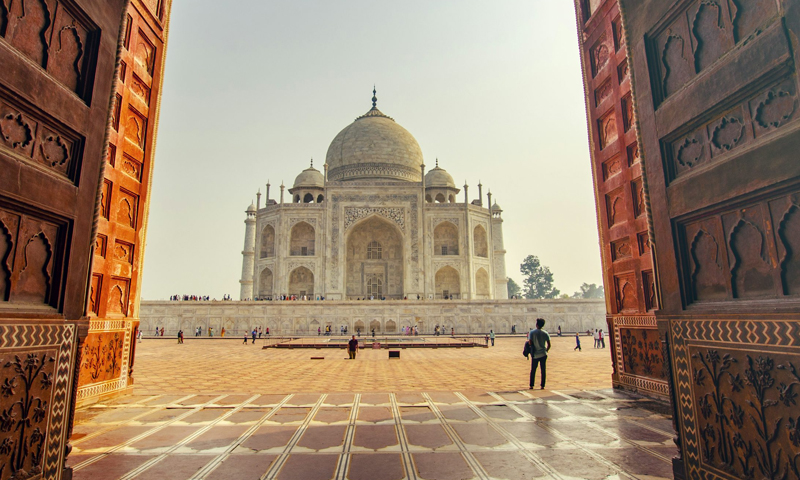
The Taj Mahal follows a fixed daily opening schedule designed to manage visitor flow and preserve the monument. The complex opens at sunrise and remains accessible until sunset. This timing allows visitors to experience the monument under natural light conditions, which is essential for both visual appreciation and photography.
Opening at sunrise offers a quieter and more serene atmosphere, while later hours gradually become busier. The monument remains closed on Fridays due to religious observance, as the mosque within the complex is reserved for prayer.
Understanding opening hours helps travelers plan arrival times that match their comfort level and interest.
Friday closure is a key factor often overlooked by international travelers. On this day, the Taj Mahal does not allow general tourist entry. Planning a visit without accounting for this closure can disrupt entire itineraries.
Travelers should always cross-check their travel dates to ensure the Taj Mahal is accessible. Tour operators and guides typically adjust schedules accordingly, but independent travelers must remain cautious.
Awareness of weekly closure prevents last-minute disappointment.
Tell us your travel date and we will suggest the perfect visiting hours, crowd-free timings, sunrise entry options, and guided tour arrangements.
Ticket prices for the Taj Mahal vary based on visitor category. Foreign nationals fall under a separate ticket structure that includes specific inclusions and access options.
Standard entry tickets allow access to the main complex, gardens, and exterior viewing areas. An additional ticket is required for entering the main mausoleum chamber where the cenotaphs are located.
Clear understanding of ticket categories ensures visitors choose the appropriate access level without confusion.
The main mausoleum chamber is the heart of the Taj Mahal experience. Entry to this chamber requires a separate ticket in addition to the standard entry pass.
Visitors who choose this option gain access to the interior space, where symbolic tombs are located. The atmosphere inside is quiet and reverent, offering a deeper emotional connection.
Travelers seeking a complete experience often include mausoleum access in their ticket selection.
Online ticket booking has become the preferred method for foreign tourists. It offers transparency, secure payment, and advance confirmation.
On-site ticket purchase is possible but often involves queues and limited clarity for first-time visitors. Online booking allows travelers to plan timing and coordinate tours more effectively.
Advance booking reduces stress and improves time management.
The Taj Mahal has multiple entry gates, each influencing crowd density and waiting time. The East Gate is commonly preferred by foreign visitors due to relatively smoother access and proximity to hotels.
The West Gate experiences heavier footfall, particularly during peak hours. The South Gate operates with limited access.
Choosing the right gate enhances entry efficiency and comfort.
Timing within the day significantly affects the visitor experience. Early morning visits offer cooler temperatures, softer light, and fewer crowds. This period is ideal for photography and quiet exploration.
Midday visits experience higher temperatures and larger crowds, which may reduce comfort. Late afternoon visits provide warmer tones and sunset views, though crowd levels may rise again.
Selecting the best time of day ensures visual clarity and physical comfort.
Seasonal conditions influence crowd behavior and comfort levels. Cooler months attract higher visitor numbers due to pleasant weather, while warmer months see fewer crowds but higher temperatures.
Seasonal planning helps travelers balance comfort with crowd management. Tour operators often adjust itineraries based on seasonal patterns.
Understanding seasonal impact allows better preparation.
Unsure which time is best for visiting the Taj Mahal — sunrise, sunset, or day tour? Our travel experts will guide you with correct timings, ticket info, and the best visit plan.
Crowd density at the Taj Mahal varies by time of day and season. Peak hours typically occur mid-morning to early afternoon.
Guides and experienced travelers plan visits during low-density periods to enhance experience quality. Managing crowd exposure improves photography and emotional connection.
Crowd awareness is essential for a relaxed visit.
Taj Mahal tickets are valid for a fixed duration, allowing visitors several hours inside the complex. Re-entry is not permitted once visitors exit.
Planning sufficient time inside ensures full exploration without rushing. Visitors should coordinate tour duration accordingly.
Understanding ticket validity prevents time-related issues.
Photography quality depends heavily on light conditions. Early morning light produces softer shadows and pastel tones, while late afternoon light creates warm highlights.
Crowd levels also affect photography opportunities. Choosing less crowded times improves composition options.
Photography planning enhances visual outcomes.
Comfort factors include temperature, walking distance, and waiting time. Planning visits during cooler hours reduces fatigue.
Comfortable footwear, hydration, and sun protection improve experience quality. Guides often advise visitors on preparation.
Comfort planning ensures sustained enjoyment.
Certain items are prohibited inside the Taj Mahal complex for security reasons. Bags, tripods, and food items may be restricted.
Security checks are mandatory for all visitors. Knowing restrictions in advance prevents delays and inconvenience.
Prepared visitors experience smoother entry.
The Taj Mahal is an experience shaped by timing as much as architecture. Proper planning ensures visitors see the monument at its best rather than through crowds or discomfort.
Understanding opening hours, ticket structure, and best visiting times enhances overall satisfaction.
Planning transforms a visit into a memorable experience.
Post By :- Admin On | 06 Jan 2026
No, it requires an additional ticket.
It opens at sunrise.
It is closed on Fridays.
Yes, there is a separate pricing category.
The East Gate is often preferred by foreigners.
Several hours, within ticket validity.
Photography is restricted inside the mausoleum.
Yes, cooler months are busier.
Early morning is ideal.
Yes, it offers clarity and convenience.