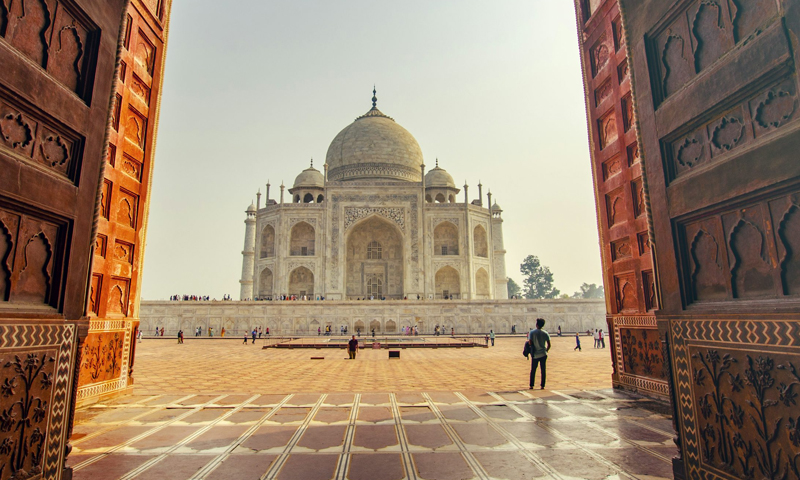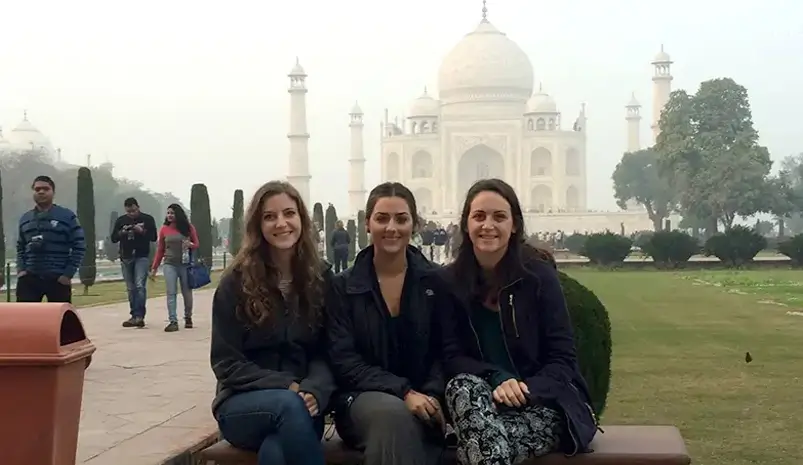



Few monuments in the world command the emotional magnetism of the Taj Mahal. Rising gracefully along the Yamuna River, this white marble masterpiece attracts photographers, historians, couples, and cultural travelers from across the globe. When planning a visit, one common dilemma arises: should travelers opt for a Same Day Agra Tour from Delhi or choose a Taj Mahal overnight trip to experience both sunrise and sunset views?
The answer depends on priorities. Time constraints, photography goals, comfort levels, and pacing preferences all influence the ideal choice. A day excursion offers efficiency and structured sightseeing, while an overnight stay allows immersion in shifting light conditions and quieter early hours. For photographers especially, the debate between Taj Mahal sunrise vs sunset photography becomes crucial.
Understanding crowd dynamics, lighting variations, weather conditions, and travel logistics ensures that visitors make informed decisions. A thoughtfully planned visit transforms a simple monument stop into a meaningful and visually rewarding experience.
A Same Day Agra Tour from Delhi appeals to travelers with limited time. Efficient highway connectivity and high-speed trains make it possible to depart early morning, explore the Taj Mahal, Agra Fort, and return by evening. For business visitors or tourists on tight itineraries, this structured format maximizes exposure within a single day.
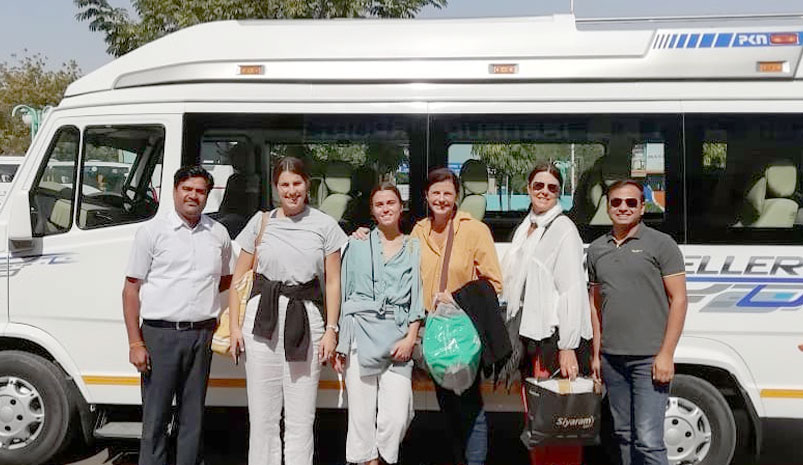
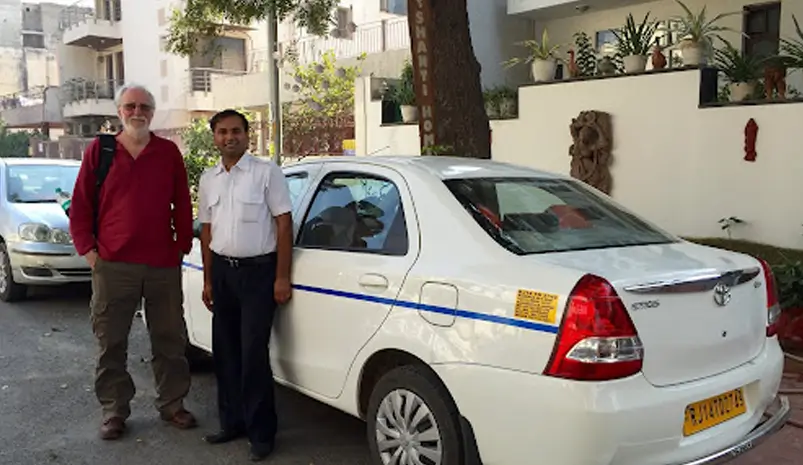
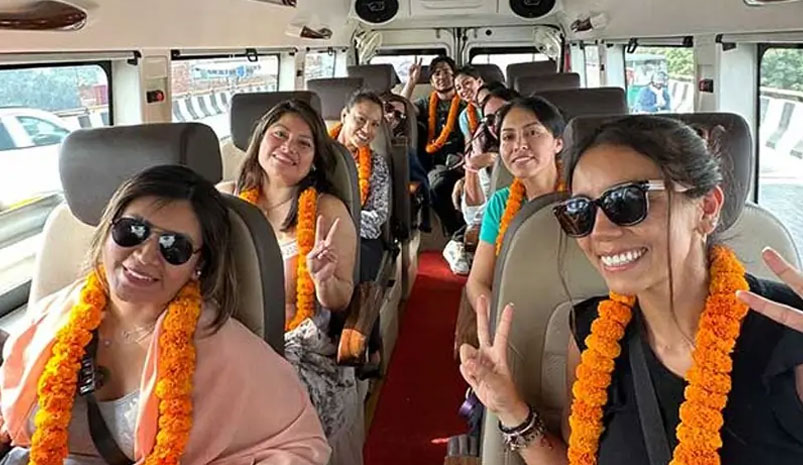
Professional tour operators often provide private vehicles with chauffeurs, ensuring comfort and smooth transfers. Guided entry to the Taj Mahal enhances historical understanding without independent navigation challenges. Lunch at a reputable restaurant fits neatly into the schedule before departure.
However, daytime visits coincide with peak crowd periods. Mid-morning and afternoon hours attract domestic and international tourists in large numbers. For photographers seeking uninterrupted frames, this can present challenges.
Lighting conditions during midday also create harsh shadows and strong reflections on white marble surfaces. While skilled photographers can adapt, softer light typically yields more dramatic results.
The key advantage of a same day trip lies in convenience. It eliminates the need for hotel bookings in Agra and reduces logistical coordination. For travelers prioritizing efficiency over immersion, this format remains practical and popular.
Visit the Taj Mahal your way—choose a quick same-day tour for convenience or an overnight stay for a relaxed and deeper experience.
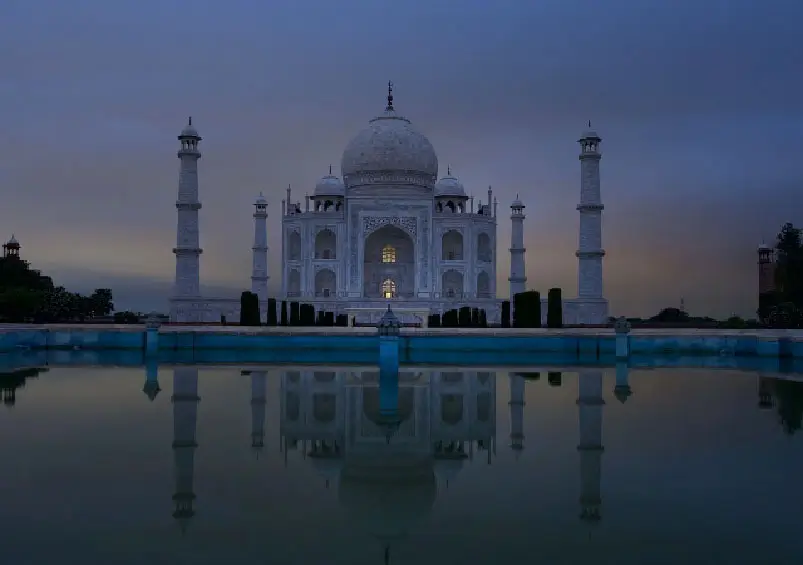
Choosing a Taj Mahal overnight trip offers a fundamentally different atmosphere. Arriving in Agra during the afternoon allows visitors to witness the monument glowing under warm sunset hues. Staying overnight then permits entry at sunrise, when the monument appears ethereal in soft golden light.
Sunrise visits often feel quieter compared to midday. Early morning air remains cooler, and the gradual illumination enhances marble translucency. For photographers, capturing changing colors from pale pink to ivory white provides creative depth.
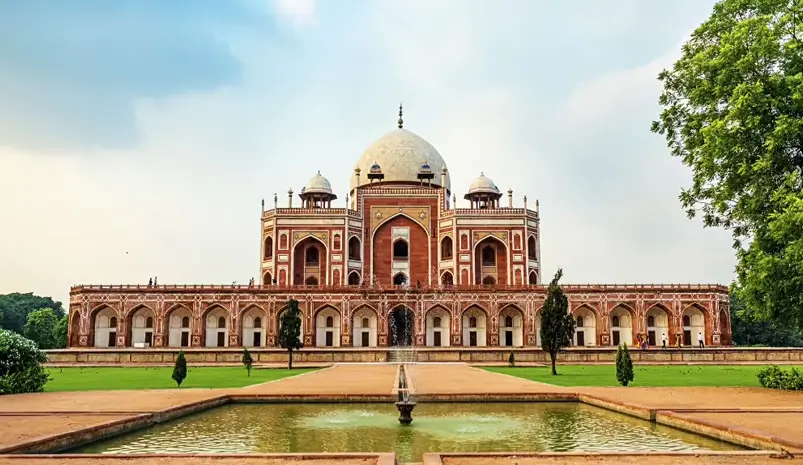
An overnight stay also allows exploration of additional heritage sites such as Mehtab Bagh, which offers rear river views of the Taj Mahal. Evening leisure within hotel surroundings reduces travel fatigue associated with same-day returns.
Luxury hotels in Agra provide refined comfort, enabling relaxation between sessions. Dining experiences overlooking illuminated facades add romantic ambiance for couples.
The extended timeframe allows unhurried exploration. Visitors can revisit the monument if desired, observing subtle details without rushing.
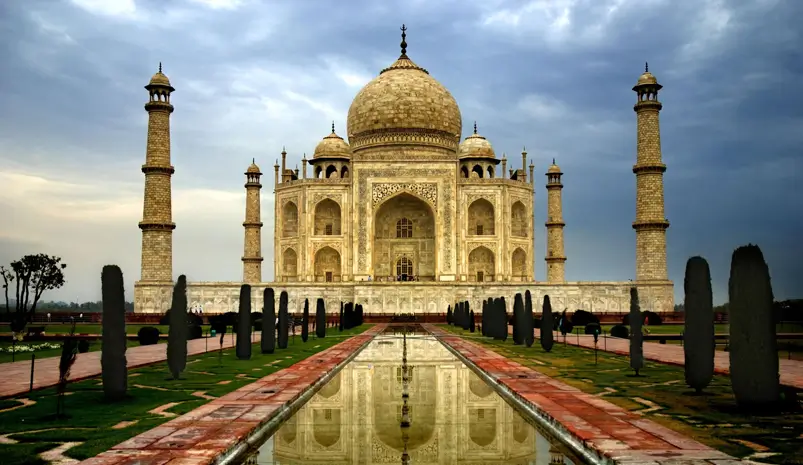
Photographers widely consider sunrise the most favorable time for capturing the Taj Mahal. The early morning light remains diffused and gentle, minimizing glare on marble surfaces. As the sun rises gradually, the monument transitions through shades of blush, cream, and luminous white.
Crowd density during opening hours tends to be lower compared to midday, though this varies seasonally. Arriving before gates open ensures prime positioning near the central reflecting pool.
Morning mist during cooler months adds atmospheric texture. Reflections in water channels appear clearer without heavy disturbance.
From a technical perspective, lower ISO settings and balanced exposures become easier in soft light. Tripod usage remains restricted inside the complex, so handheld technique adjustments are necessary.
Sunrise sessions reward patience. The transformation in color over thirty minutes can produce dramatically varied frames. For professional photographers or enthusiasts, this timing often justifies an overnight stay.
Sunset presents a different emotional tone. The Taj Mahal glows warmly as sunlight softens toward evening. Shadows lengthen, and silhouettes become prominent. While crowds may still be significant, late afternoon often sees slight dispersal compared to peak midday.
Photographers positioned toward the Yamuna-facing sides capture vibrant sky gradients behind the dome. Mehtab Bagh across the river offers an exceptional vantage point for sunset silhouettes without entering the main complex.
Golden hour lighting enhances romantic aesthetics. Couples often prefer sunset visits for this reason. The atmosphere feels contemplative as the monument transitions from daylight brilliance to twilight serenity.
However, sunset does not provide the same progressive illumination as sunrise. Once the sun dips below the horizon, light diminishes quickly. Planning composition and exposure in advance ensures optimal results.
For those balancing photography with schedule constraints, combining sunset viewing with an overnight stay creates comprehensive coverage.
Crowd levels fluctuate based on season and weekday patterns. Peak tourist months attract larger groups throughout the day. Weekdays generally remain less crowded than weekends.
Early morning entries consistently offer lower density compared to mid-afternoon. Same day tours arriving mid-morning may encounter heavier lines at security checks.
Understanding entry timing allows strategic positioning. Purchasing tickets online reduces wait times and enhances efficiency.
Selecting the appropriate season also impacts photography conditions. Cooler months offer clearer skies, while monsoon periods create dramatic cloud backdrops.
Decide between a quick same-day visit or a relaxed overnight stay to explore Agra. Choose the option that fits your schedule and enjoy a memorable Taj Mahal experience.
Travel fatigue influences overall experience. A same day excursion involves several hours of road travel in addition to monument exploration. While highways are modern and comfortable, long drives can feel tiring.
An overnight trip distributes travel more evenly. Arriving in the afternoon and departing the following day reduces physical strain.
Senior travelers or families with children may benefit from the relaxed pace of overnight stays. Luxury hotel amenities further enhance comfort.
Balancing physical endurance with experiential goals determines the most suitable option.
A same day tour typically includes transportation, guide services, and lunch. It eliminates accommodation costs in Agra.
An overnight trip introduces hotel expenses but adds sunrise access and leisure flexibility. Luxury packages increase overall cost but elevate comfort.
Evaluating value involves more than price; it includes experiential depth, photography quality, and relaxation.
Business travelers with limited days often choose same day tours. Photography enthusiasts and honeymoon couples prefer overnight immersion. Families may weigh convenience against fatigue.
Understanding priorities clarifies decision-making.
Post By :- Admin On | 12 Mar 2026
Sunrise offers softer light and fewer crowds.
Yes, but overnight stays allow deeper immersion.
Yes, especially with private chauffeur services.
Yes, but tripods are restricted.
Moderate weather months provide comfortable conditions.
Ticket pricing remains consistent regardless of time.
Yes, it offers rear views of the Taj Mahal.
It is recommended for sunrise capture.
Most packages include professional guides.
Yes, with reputable accommodations and planning.