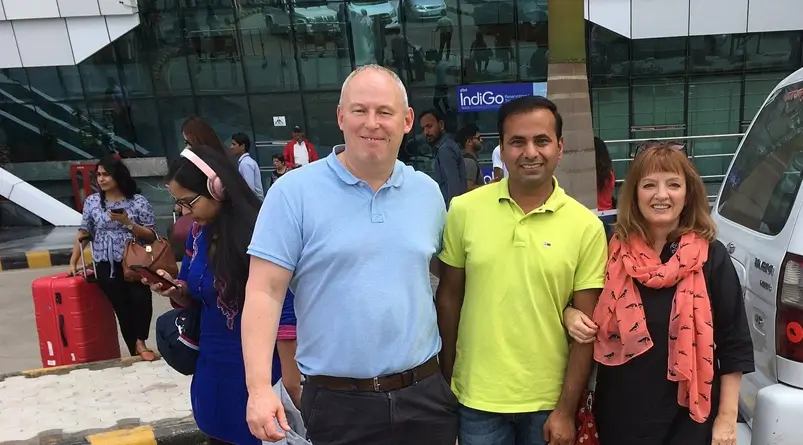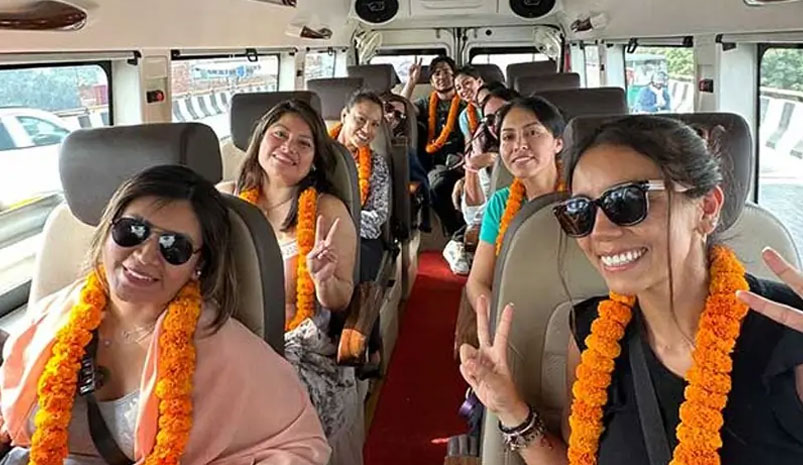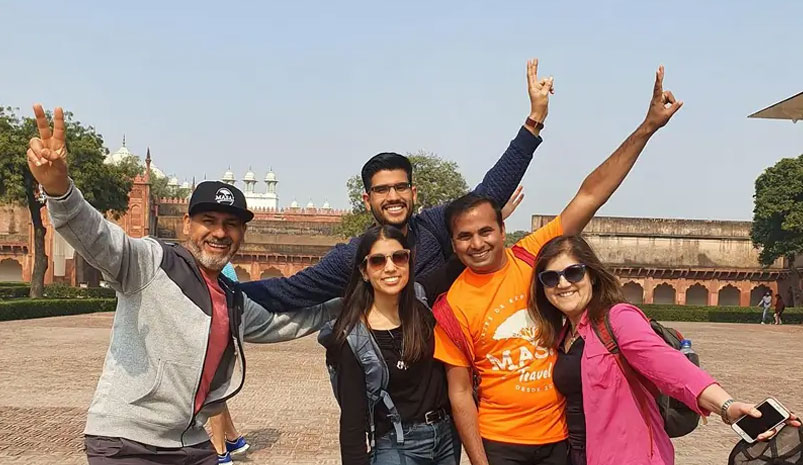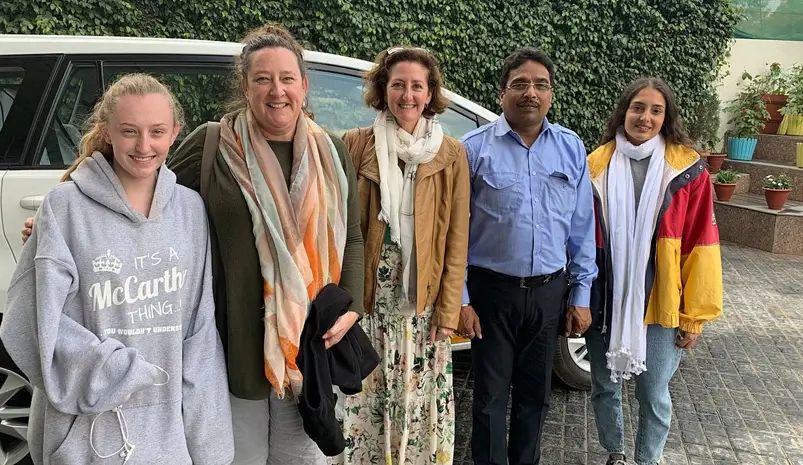



India is one of the most culturally rich and diverse countries in the world, offering travelers an extraordinary range of experiences across landscapes, traditions, and communities. However, with this diversity comes responsibility. Traveling in India is not just about exploring destinations; it is about engaging with a living culture that has deep-rooted traditions, sensitivities, and social dynamics. Understanding responsible tourism in India ensures that travelers can enjoy meaningful experiences while contributing positively to the places they visit.
For international travelers from the USA, UK, and Europe, responsible travel in India requires awareness and intention. The country’s complexity means that actions—whether related to environment, culture, or community—can have a significant impact. Choosing how to travel, where to stay, and how to interact with people shapes not only the experience of the traveler but also the well-being of local communities.
A well-planned responsible travel experience in India focuses on balance. It combines exploration with respect, comfort with sustainability, and curiosity with sensitivity. By making informed choices, travelers can ensure that their journey supports local economies, preserves cultural heritage, and protects natural environments.
India’s cultural landscape is deeply rooted in traditions, beliefs, and social norms that vary across regions. Understanding these nuances is essential for creating a respectful and meaningful travel experience. Exploring cultural sensitivity in India travel helps travelers navigate interactions with awareness and confidence.
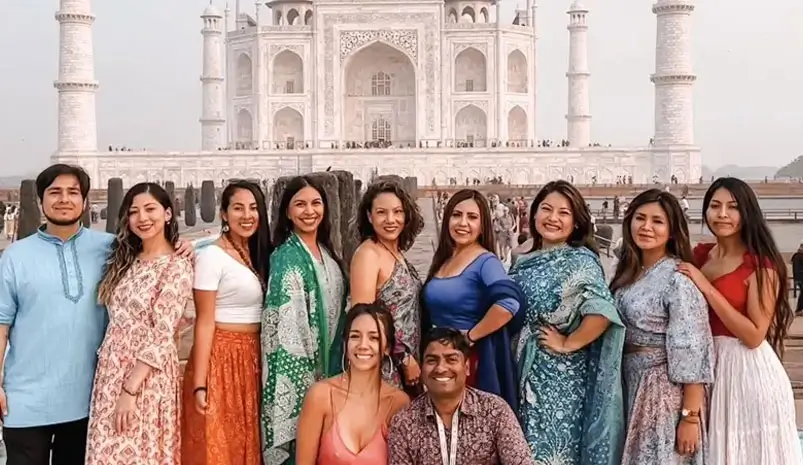
Dress codes, for example, play an important role in many parts of India, especially in religious and rural settings. Modest clothing is often appreciated, particularly when visiting temples or sacred sites. This is not only a sign of respect but also helps travelers feel more comfortable in local environments.
Behavior in public spaces is another important aspect. Simple actions such as asking permission before taking photographs, maintaining a respectful tone, and observing local customs contribute to positive interactions. In many communities, hospitality is extended warmly, and responding with appreciation strengthens these connections.
Understanding cultural sensitivity is not about restriction but about awareness. It allows travelers to engage more deeply with local traditions, creating a respectful cultural travel experience in India that is both enriching and authentic.
Go beyond sightseeing and experience India through respectful, sustainable travel that creates deeper cultural connections and lasting memories.
Chat On WhatsApp Contact UsOne of the key principles of responsible tourism is ensuring that travel benefits local communities. Exploring community-based tourism in India allows travelers to contribute directly to local economies while gaining more authentic experiences.
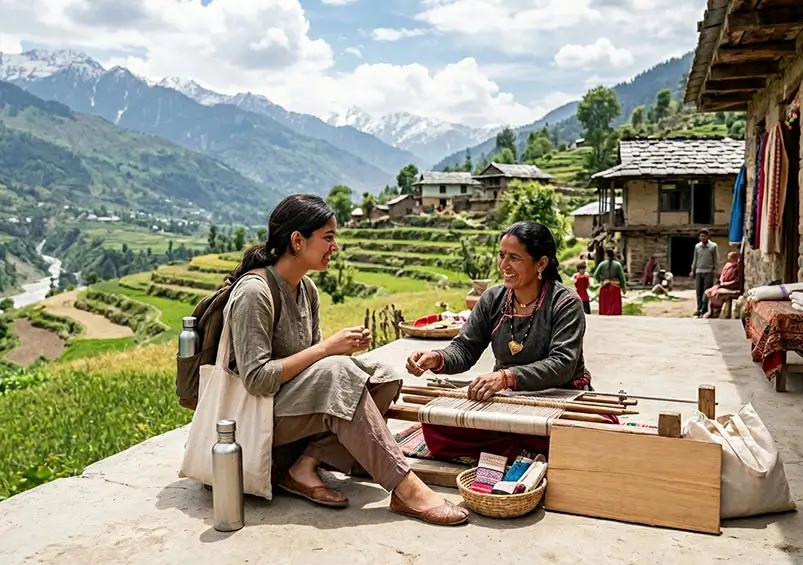
Choosing local guides, staying in locally owned accommodations, and purchasing products from local artisans are effective ways to support communities. These choices ensure that the economic benefits of tourism remain within the region rather than being diverted elsewhere.
Village experiences and small-scale tourism initiatives often provide opportunities for meaningful interaction. Participating in these activities allows travelers to understand local lifestyles while contributing to sustainable development.
Luxury travel can also align with this principle by selecting properties that prioritize local employment, sourcing, and community engagement. This creates a responsible luxury travel experience in India that combines comfort with impact.
India’s natural environments, from wildlife reserves to coastal ecosystems, require careful protection. Responsible tourism involves minimizing environmental impact and supporting conservation efforts.
Understanding sustainable travel practices in India helps travelers make choices that preserve these ecosystems.
Reducing waste is one of the simplest yet most effective actions. Avoiding single-use plastics, carrying reusable water bottles, and disposing of waste responsibly contribute to environmental preservation.
Many destinations in India are actively working to reduce pollution, and traveler participation is essential.
Wildlife tourism requires particular attention. Following guidelines during safaris, maintaining distance from animals, and respecting park regulations ensure that ecosystems remain undisturbed. These practices not only protect wildlife but also enhance the quality of the experience.
Choosing eco-friendly accommodations further supports sustainability. Properties that use renewable energy, manage waste responsibly, and integrate with the environment create a sustainable travel experience in India that aligns with modern values.
Wildlife experiences are a major attraction in India, but they must be approached ethically. Exploring ethical wildlife tourism in India ensures that these experiences contribute to conservation rather than exploitation.
Safaris in national parks are designed to observe animals in their natural habitat without interference. Following park rules and respecting the guidance of trained professionals ensures that these interactions remain safe and responsible.
Avoiding activities that involve direct interaction with wildlife, such as unregulated animal rides or performances, is essential. These practices often compromise the well-being of animals and do not align with responsible tourism principles.
By choosing ethical wildlife experiences, travelers can enjoy nature while supporting conservation efforts, creating a responsible nature travel experience in India.
Food is an integral part of travel, and making responsible choices enhances both the experience and its impact. Exploring responsible food travel in India involves understanding local cuisine, sourcing, and sustainability.
Choosing local restaurants and traditional dishes supports local businesses and reduces the environmental impact associated with imported goods. This also provides a more authentic culinary experience.
Being mindful of food waste is equally important. Ordering appropriate portions and respecting local dining practices contribute to responsible consumption.
For travelers with dietary preferences, communicating clearly ensures that meals are prepared appropriately without unnecessary waste. These practices create a sustainable culinary travel experience in India that aligns with responsible tourism principles.
Responsible tourism also involves ensuring personal safety while maintaining ethical interactions with others. Understanding safe travel practices in India helps travelers navigate different environments confidently.
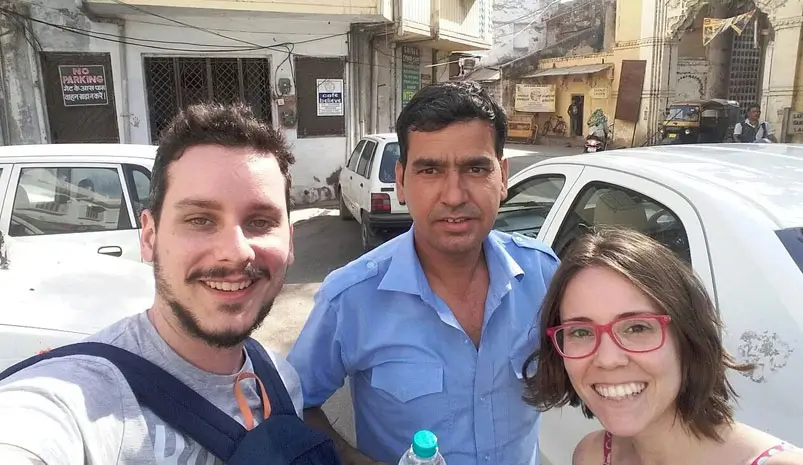
Using reliable transportation, staying in reputable accommodations, and following local advice are essential for a smooth journey. At the same time, interactions with local communities should be approached with respect and sensitivity.
Avoiding exploitative practices, such as giving money to organized begging networks, ensures that contributions are made in meaningful ways. Supporting verified organizations or community initiatives is a more effective approach.
Balancing safety with ethical considerations creates a responsible and secure travel experience in India.
Working with the right travel partners plays a crucial role in responsible tourism. Selecting operators who prioritize sustainability, transparency, and community engagement ensures that the journey aligns with responsible practices. Exploring responsible travel services in India helps travelers make informed decisions.
Travel experts who design curated itineraries with ethical considerations can enhance the experience significantly. They ensure that accommodations, activities, and transportation align with sustainability goals while maintaining comfort.
Plan your trip with eco-friendly stays, ethical experiences, and community-focused tours designed for conscious travelers.
Chat On WhatsApp Contact UsDesigning a custom responsible travel itinerary in India involves selecting destinations and experiences that align with sustainability and cultural respect. Combining eco-tourism destinations, cultural experiences, and community-based activities creates a balanced journey.
Planning should include eco-friendly accommodations, guided experiences, and thoughtful travel practices. This approach ensures that the journey remains meaningful and impactful.
Responsible tourism in India is about traveling with awareness, intention, and respect. By making thoughtful choices, travelers can create experiences that are not only enjoyable but also beneficial for the environment and local communities.
With the right approach, travel becomes more than exploration—it becomes a way of contributing positively to the world.
Post By :- Admin On | 04 Apr 2026
It focuses on ethical, cultural, and environmental responsibility.
By respecting culture, supporting locals, and minimizing impact.
Yes, including eco-lodges and sustainable resorts.
Exploitation of wildlife and disrespectful behavior.
By choosing local guides and businesses.
Yes, when following park rules and guidelines.
Eco-tourism regions, villages, and conservation areas.
Yes, through sustainable luxury experiences.
By avoiding plastic and conserving resources.
A local expert can design a tailored journey.