


Few destinations in the world create the same visual and cultural impact as Rajasthan. For travelers from Japan, Rajasthan often becomes the most memorable part of an India journey because it presents a world that feels both dramatically different and surprisingly captivating. Ancient forts rise above desert landscapes, magnificent palaces overlook shimmering lakes, colorful markets fill centuries-old streets, and traditional craftsmanship continues to thrive in communities where heritage remains a living part of everyday life.
While Japan is internationally admired for its temples, castles, gardens, and preservation of historical traditions, Rajasthan offers an entirely different interpretation of heritage. Here, royal dynasties shaped vast kingdoms, monumental architecture was built on a grand scale, and cultural traditions developed within environments defined by deserts, trade routes, warrior histories, and artistic excellence.
Japanese travelers frequently arrive in Rajasthan with expectations shaped by photographs, travel documentaries, and guidebooks. However, many discover that the reality exceeds what they imagined. The scale of the forts, the richness of palace interiors, the vibrancy of local culture, and the diversity of landscapes create a travel experience that is difficult to compare with any destination elsewhere in the world.
One of the reasons Rajasthan resonates so strongly with visitors from Japan is its emphasis on preserving tradition. Much like Japan, Rajasthan maintains a strong connection to its cultural heritage. Traditional music, crafts, architecture, ceremonies, and local customs continue to play important roles in contemporary life. This continuity creates a sense of authenticity that many travelers deeply appreciate.
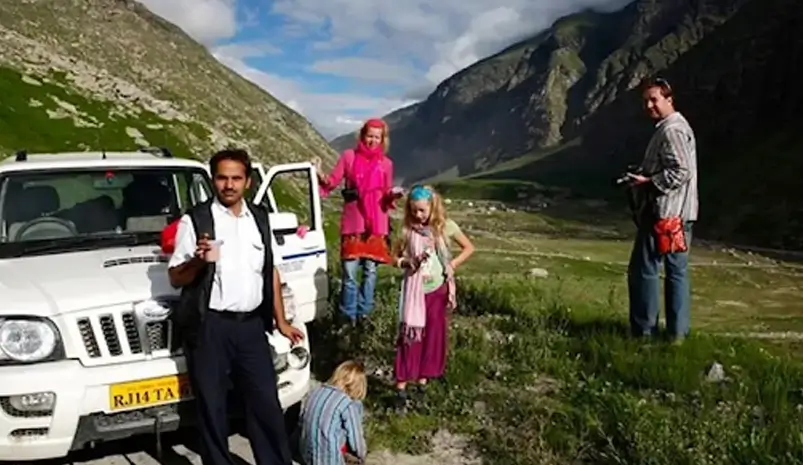
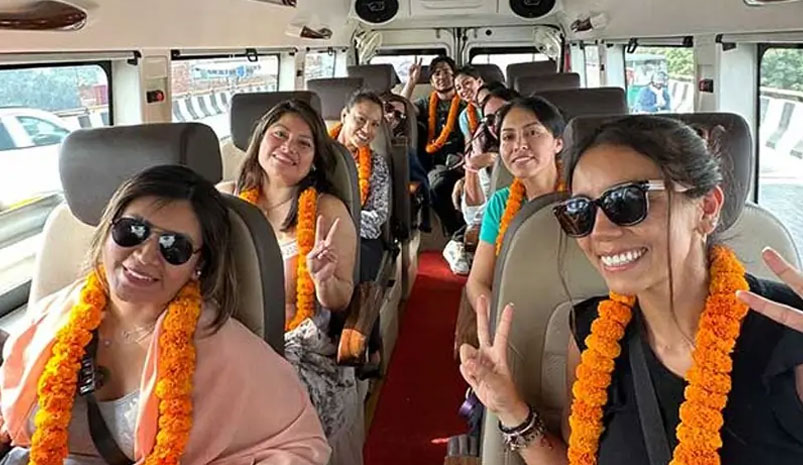
Exploring Rajasthan through a private driver tour allows visitors to experience the region comfortably while moving between its most significant destinations. Cities such as Jaipur, Jodhpur, Udaipur, Jaisalmer, Bikaner, and Pushkar each reveal different aspects of Rajasthan's identity. Together, they create a journey that combines history, architecture, luxury hospitality, photography, and cultural immersion.
For Japanese travelers interested in heritage, design, visual beauty, craftsmanship, and meaningful travel experiences, Rajasthan offers one of the most rewarding destinations anywhere in Asia.
One of the strongest attractions for Japanese visitors is Rajasthan's extraordinary royal history. Throughout the region, travelers encounter reminders of powerful kingdoms, legendary rulers, and centuries of political and cultural development that shaped the landscape.
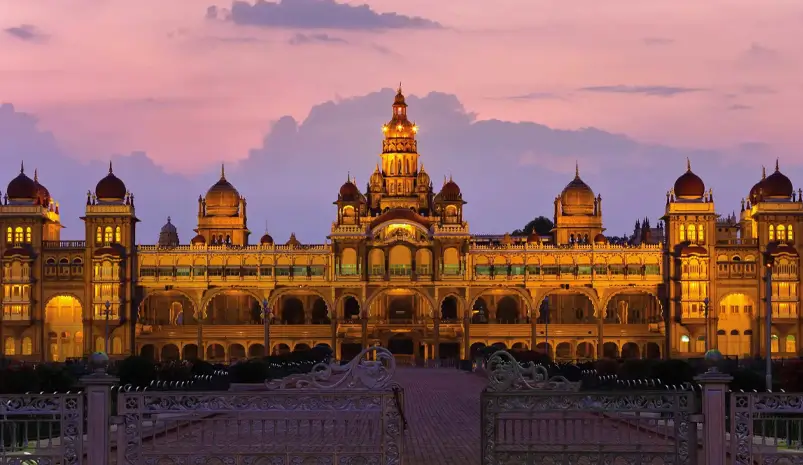
Unlike many historical sites that survive only as ruins, Rajasthan's royal heritage remains remarkably visible. Massive forts continue to dominate city skylines, royal palaces remain architectural masterpieces, and many former residences have been transformed into heritage hotels while preserving their original character.
For Japanese travelers, this preservation often creates a powerful connection to the past. There is a sense that history remains present rather than confined to museums or textbooks. Walking through palace corridors, exploring fort courtyards, or observing traditional ceremonies allows visitors to engage directly with Rajasthan's heritage.
The stories behind these monuments add further depth to the experience. Tales of kings, queens, warriors, diplomacy, trade, and cultural achievement are woven into the architecture itself. Each city presents its own narrative, contributing to a broader understanding of Rajasthan's historical significance.
Japanese visitors often appreciate the respect that local communities continue to show toward historical traditions. Cultural festivals, royal customs, and artistic practices remain important parts of regional identity, reinforcing the sense that heritage is not merely preserved but actively celebrated.
This combination of historical depth and living tradition makes Rajasthan particularly attractive to travelers who value cultural authenticity and meaningful connections with the past.
Architecture is one of the primary reasons many Japanese travelers choose Rajasthan. The region's buildings differ dramatically from architectural styles found in East Asia, creating a sense of discovery that remains exciting throughout the journey.
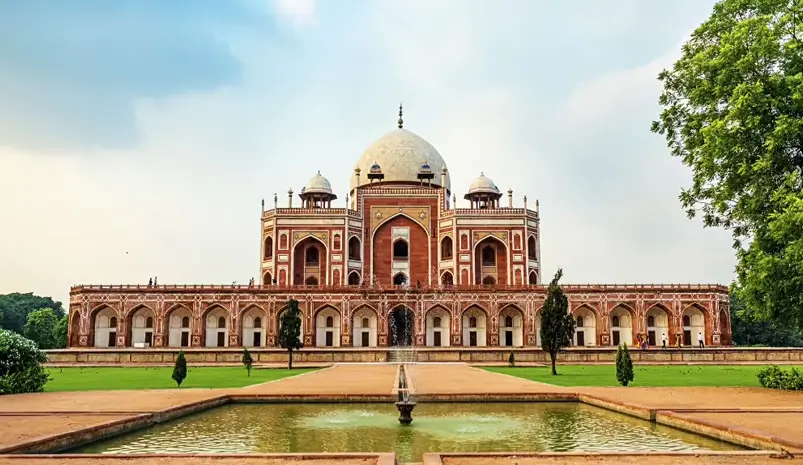
Rajasthan's architecture is characterized by monumental scale, intricate craftsmanship, and remarkable attention to detail. Massive forts were constructed to defend strategic territories, while royal palaces were designed to demonstrate wealth, artistic sophistication, and political power.
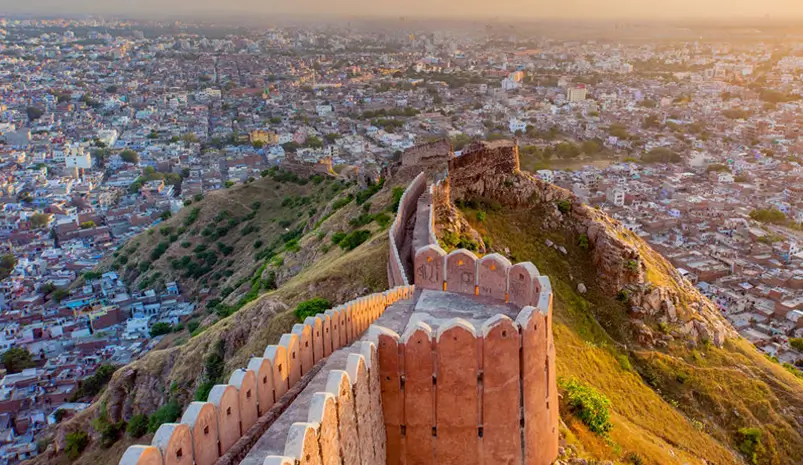
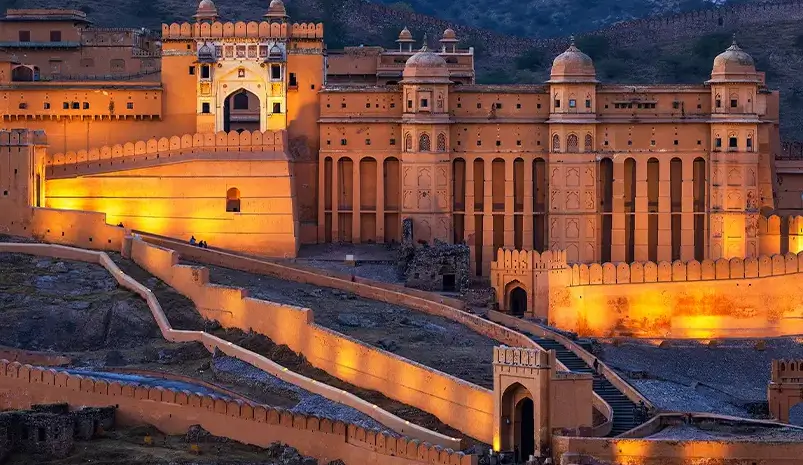
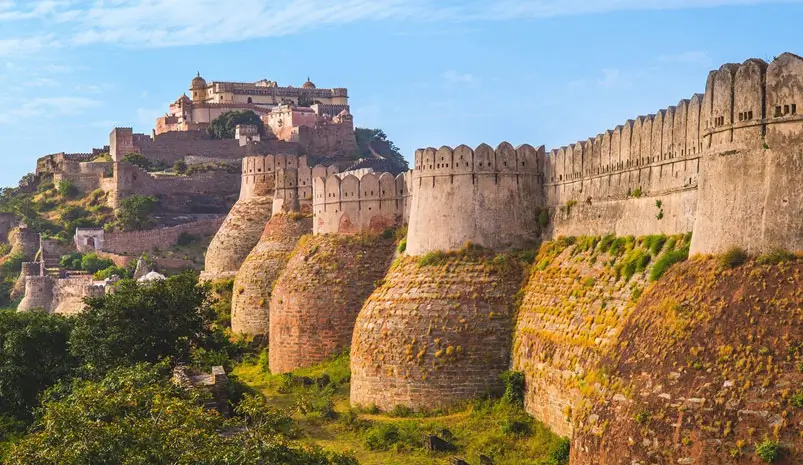
The visual impact of these structures is often immediate. Forts such as Mehrangarh in Jodhpur, Amber Fort in Jaipur, and Jaisalmer Fort rise dramatically above their surroundings, creating landscapes that feel almost cinematic. Their walls, gateways, towers, and courtyards reveal both military engineering and artistic achievement.
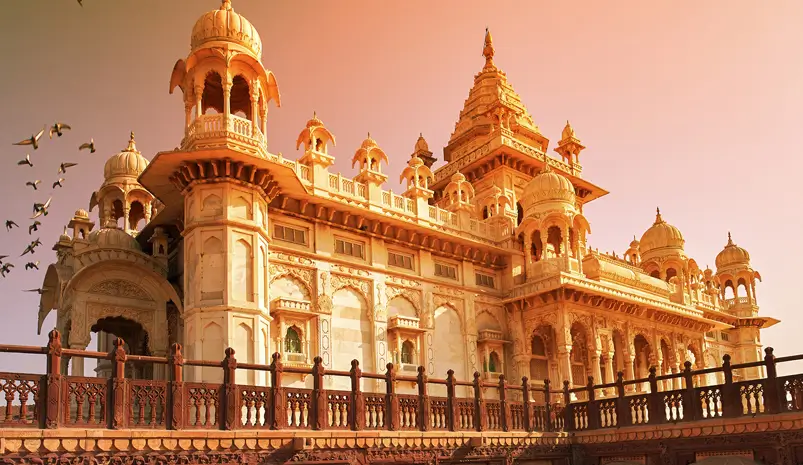
Palaces present a different dimension of architectural excellence. Decorative facades, carved balconies, mirror work, painted interiors, marble halls, and ornamental gardens showcase the creativity of Rajasthan's craftsmen and architects.
Japanese travelers frequently notice the contrast between Rajasthan's bold architectural expression and the more restrained aesthetics often associated with traditional Japanese design. Rather than reducing appreciation, this difference tends to increase fascination by exposing visitors to alternative artistic traditions.
Photography enthusiasts find endless inspiration in Rajasthan's architecture. The interaction of sunlight with sandstone, marble, and painted surfaces creates constantly changing visual effects throughout the day.
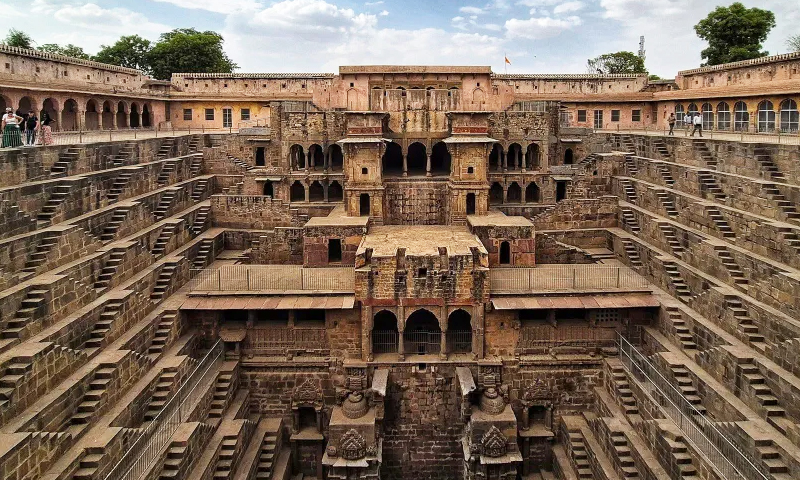
Architecture in Rajasthan is not limited to major monuments. Historic neighborhoods, merchant mansions, temples, stepwells, and traditional homes also display extraordinary craftsmanship, providing opportunities for exploration beyond the most famous attractions.
Color plays a central role in Rajasthan's appeal and is one of the aspects that most immediately attracts Japanese visitors. While many travelers associate India with vibrant colors, Rajasthan expresses this characteristic more dramatically than perhaps any other region in the country.
Cities themselves often have distinctive visual identities. Jaipur is known for its pink architecture, Jodhpur for its blue-painted houses, and Jaisalmer for its golden sandstone buildings. These colors create strong visual impressions while also reflecting historical traditions and regional identities.
Traditional clothing contributes further to the region's colorful atmosphere. Bright textiles, embroidered garments, turbans, and decorative fabrics transform everyday scenes into vivid visual experiences. Markets, festivals, and cultural events become particularly attractive to photographers because of this rich use of color.
Japanese travelers often find Rajasthan's relationship with color fascinating because it differs significantly from aesthetic traditions commonly found in Japan. The bold combinations and vibrant contrasts create a visual environment that feels energetic and expressive.
Color is also present in craftsmanship. Textiles, ceramics, paintings, jewelry, and decorative arts frequently feature elaborate patterns and vivid palettes. These artistic traditions provide insight into regional history and cultural values while offering opportunities to observe skilled artisans at work.
The visual richness created by Rajasthan's colors contributes significantly to its reputation as one of the world's most photogenic travel destinations.
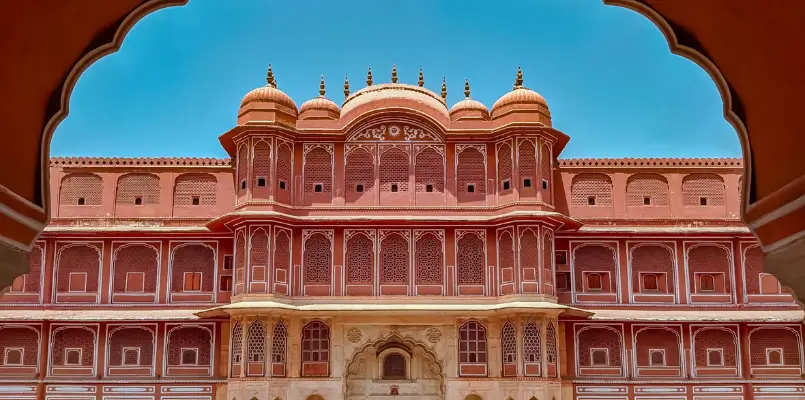
Among Rajasthan's destinations, Jaipur often serves as the first introduction to the region for Japanese travelers. The city successfully combines historical significance, architectural beauty, traditional craftsmanship, and modern hospitality.
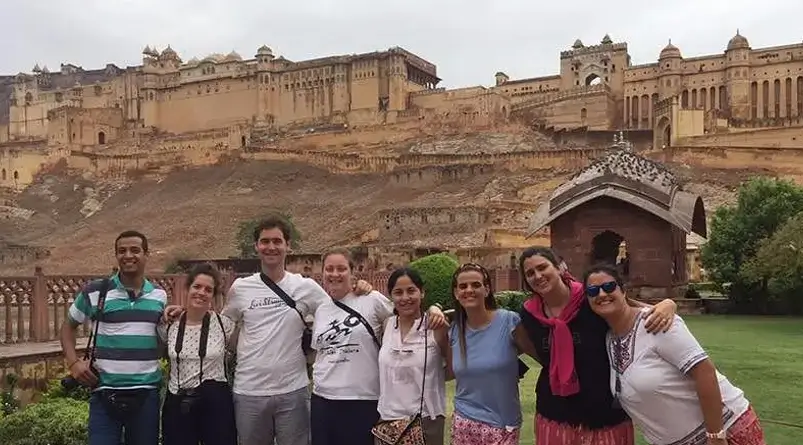
Amber Fort stands as one of Jaipur's most impressive landmarks. Its position above the surrounding landscape, combined with its courtyards, decorative elements, and panoramic views, creates a memorable experience for visitors interested in architecture and history.
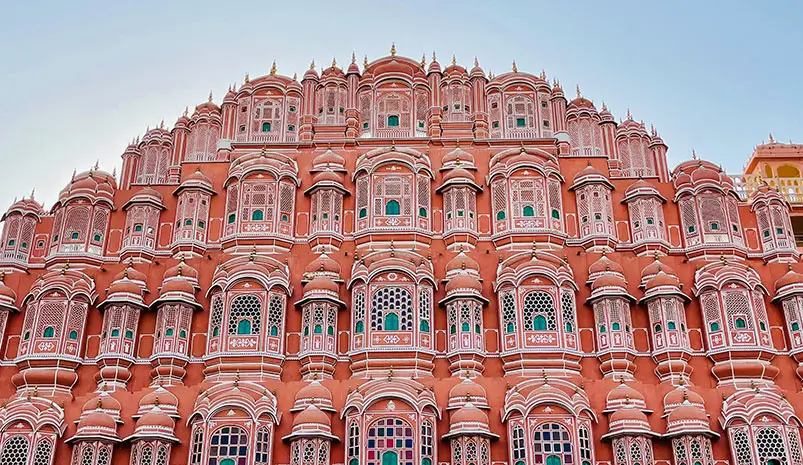
The City Palace remains an important cultural center and provides insight into Rajasthan's royal traditions. Nearby attractions such as Hawa Mahal and Jantar Mantar further demonstrate the city's artistic and scientific achievements.
Jaipur is also renowned for its artisan communities. Jewelers, textile producers, ceramic artists, and craftsmen continue traditions that have been practiced for generations. Japanese travelers often enjoy visiting workshops where these skills can be observed directly.
Markets provide another dimension of the experience. Traditional bazaars offer textiles, jewelry, handicrafts, and decorative items that reflect Rajasthan's artistic heritage.
The city's combination of historical monuments, living craftsmanship, and cultural vitality makes it one of the most rewarding destinations in India.
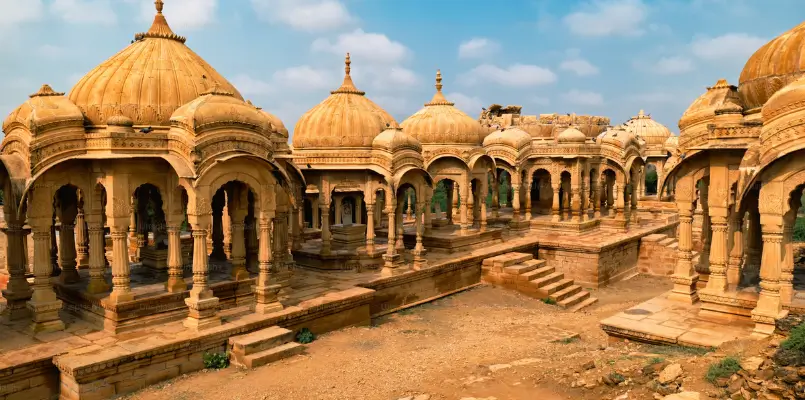
One of Rajasthan's greatest strengths is its diversity. Nowhere is this more evident than in the contrast between Udaipur and Jaisalmer.
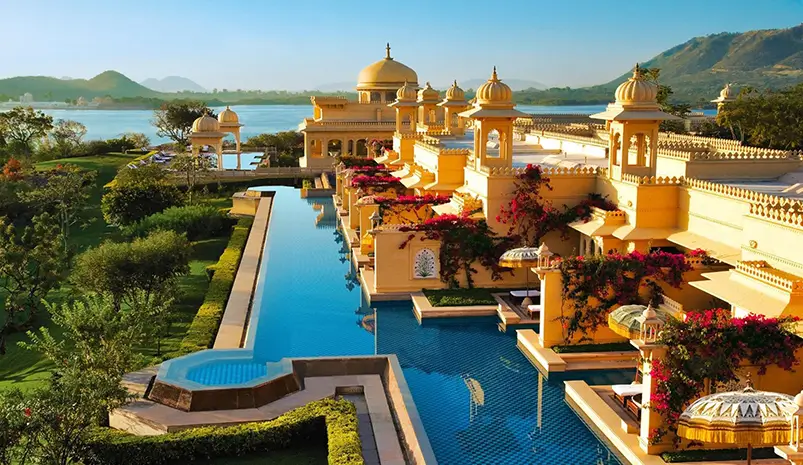
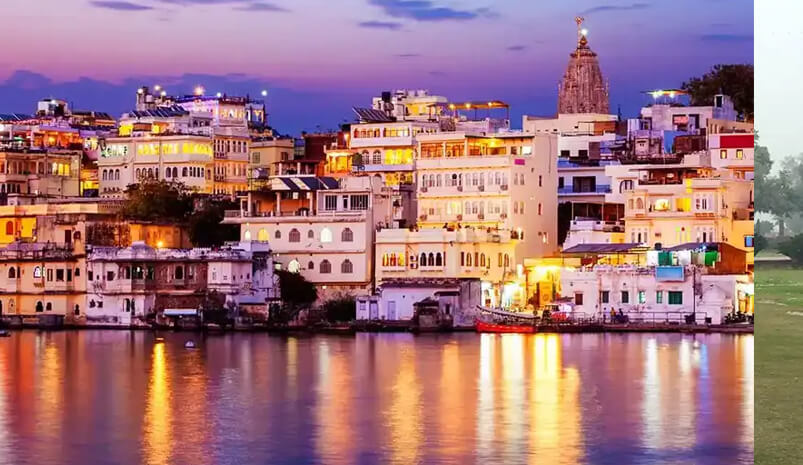
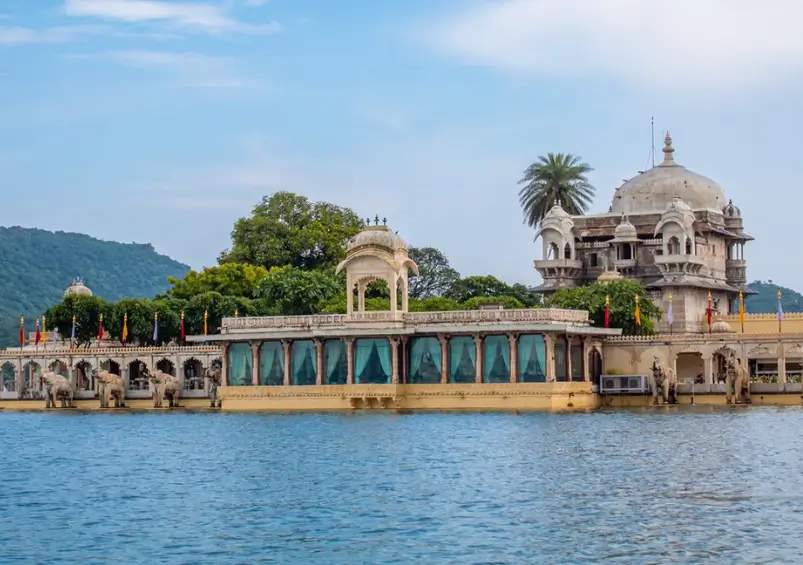
Udaipur is often described as Rajasthan's most elegant city. Surrounded by lakes and hills, it offers a refined atmosphere defined by palace architecture, scenic beauty, and luxury hospitality. The City Palace overlooking Lake Pichola creates one of India's most iconic urban landscapes.
Japanese travelers frequently appreciate Udaipur's tranquility and visual harmony. Boat rides, lakeside views, cultural performances, and heritage hotels contribute to a sophisticated travel experience that differs significantly from Rajasthan's desert cities.
Jaisalmer presents an entirely different environment. Located deep within the Thar Desert, the city is defined by golden sandstone architecture and centuries of trading history. Its fort remains a living community where traditional lifestyles continue within historic walls.
The surrounding desert adds another layer of appeal. Sand dunes, camel experiences, traditional music, and spectacular sunsets create memorable experiences that contrast sharply with Udaipur's lakeside elegance.
Together, these destinations demonstrate the remarkable variety that makes Rajasthan such a compelling region for international travelers.
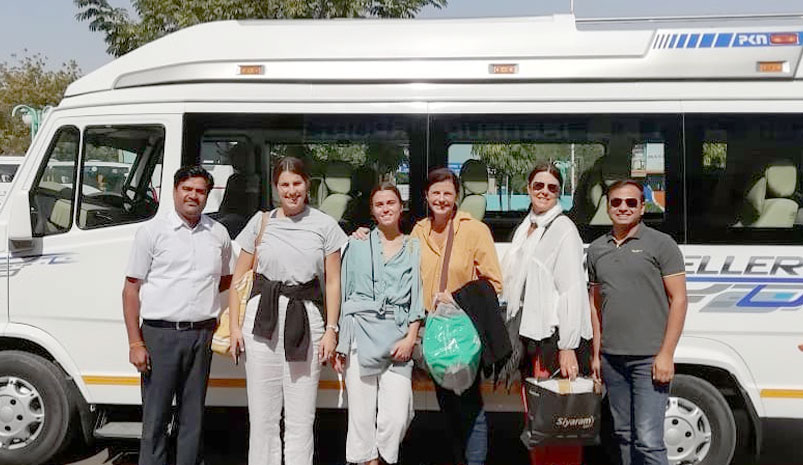
For Japanese visitors, a private driver tour in Rajasthan offers significant advantages. The region's major destinations are spread across considerable distances, making transportation an important aspect of itinerary planning.
A dedicated chauffeur provides continuity throughout the journey. Travelers can move comfortably between cities while enjoying flexibility and personalized service.
Private transportation also allows visitors to explore locations beyond the main tourist attractions. Scenic viewpoints, artisan villages, historical sites, and local markets can be incorporated into the itinerary according to individual interests.
Professional drivers contribute valuable local knowledge while ensuring that travel remains comfortable and efficient. Their familiarity with routes, attraction timings, and regional logistics helps maximize sightseeing opportunities.
For travelers who value comfort, convenience, and flexibility, chauffeur-driven travel represents one of the most effective ways to explore Rajasthan's cultural and architectural treasures.
Post By :- Admin On | 30 Jul 2026
Rajasthan offers royal heritage, remarkable architecture, vibrant culture, traditional craftsmanship, and unique travel experiences.
Jaipur, Udaipur, Jodhpur, and Jaisalmer are among the most popular destinations.
The region is home to magnificent forts, palaces, temples, stepwells, and historic mansions built over several centuries.
Its royal history, desert landscapes, heritage hotels, architecture, and cultural traditions create a unique identity.
Yes. Rajasthan is considered one of the most photogenic destinations in India because of its architecture, colors, landscapes, and cultural activities.
Colors play a central role in local architecture, clothing, festivals, crafts, and cultural identity.
A private driver tour provides comfort, flexibility, and efficient transportation between destinations.
Yes. Udaipur is known for lakes and palace architecture, while Jaisalmer is famous for desert landscapes and golden sandstone heritage.
Yes. Many former royal residences have been converted into luxury heritage hotels.
Yes. English is widely spoken throughout Rajasthan's tourism and hospitality sectors.