


India is a country where journeys are often more meaningful than destinations, especially when it comes to pilgrimage routes. These sacred paths have been followed for centuries by seekers, devotees, and travelers who view the journey itself as an act of devotion and transformation. Unlike conventional travel, pilgrimage routes in India are designed around spiritual progression, where each stop adds depth and meaning to the experience. Exploring pilgrimage routes in India offers travelers a structured way to understand the country’s spiritual traditions while engaging in a journey that is both physical and introspective.
For international travelers from the USA, UK, and Europe, these routes provide a unique opportunity to explore India beyond its popular tourist attractions. Pilgrimage journeys introduce travelers to sacred landscapes, ancient temples, and living traditions that are still actively practiced. These routes are not isolated experiences but interconnected pathways that reflect different aspects of spirituality, including devotion, meditation, and cultural heritage.
A carefully curated spiritual pilgrimage travel experience in India ensures that travelers can explore these routes comfortably while gaining meaningful insights. With private arrangements, knowledgeable guides, and structured itineraries, these journeys can be adapted to suit modern expectations without losing their authenticity.
The Char Dham circuit in Uttarakhand is one of the most significant pilgrimage routes in India, covering four sacred destinations: Yamunotri, Gangotri, Kedarnath, and Badrinath. This route takes travelers deep into the Himalayas, where the natural environment itself plays a central role in the spiritual experience. Exploring the Char Dham pilgrimage route India provides a powerful combination of devotion, landscape, and personal reflection.
The journey begins with Yamunotri and Gangotri, which are associated with the origins of two sacred rivers. These locations are not only important for their spiritual significance but also for their remote and pristine settings. Reaching these sites often involves traveling through winding mountain roads and scenic valleys, creating a sense of gradual progression.
Kedarnath and Badrinath represent the culmination of the journey, each dedicated to major deities and surrounded by dramatic Himalayan landscapes. Kedarnath, in particular, requires a trek or helicopter access, adding a physical dimension to the experience. This effort is often seen as part of the spiritual process, symbolizing dedication and commitment.
Modern travel options have made the Char Dham circuit more accessible for international visitors. Helicopter transfers, luxury camps, and curated accommodations ensure that travelers can experience the Himalayan pilgrimage journey in India without compromising on comfort. This balance between tradition and convenience makes the route suitable for a wider audience.
Discover the spiritual paths of India, where ancient pilgrimage routes lead to some of the most sacred destinations.
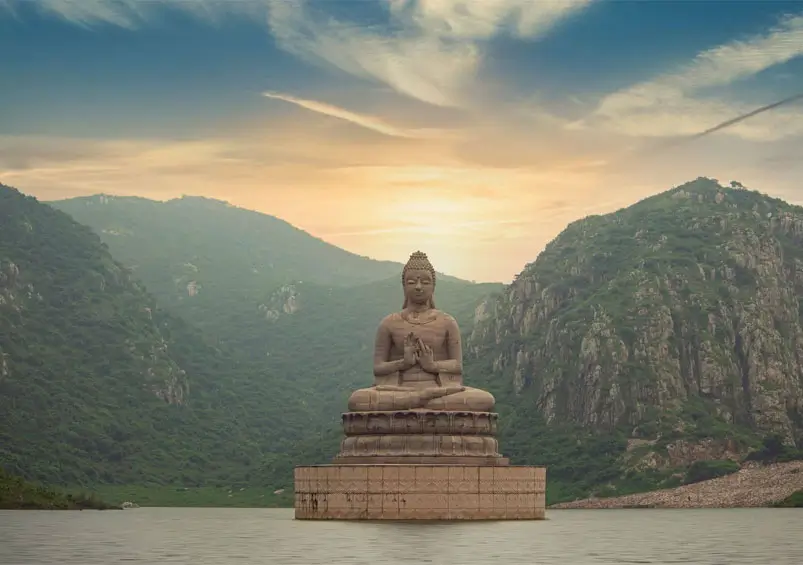
The Buddhist circuit in India is a structured route that traces the life and teachings of Lord Buddha. Covering key destinations such as Bodh Gaya, Sarnath, Kushinagar, and Rajgir, this journey offers a peaceful and reflective experience that is distinct from other pilgrimage routes. Exploring the Buddhist pilgrimage circuit India allows travelers to engage with spirituality in a calm and introspective way.
Bodh Gaya serves as the central point of this circuit, where Buddha attained enlightenment. The Mahabodhi Temple complex is a UNESCO World Heritage Site and provides an environment that encourages meditation and reflection. The presence of international monasteries adds a global dimension to the experience.
Sarnath marks the location where Buddha delivered his first sermon, making it an important site for understanding the foundations of Buddhist philosophy. Kushinagar represents the final stage of Buddha’s life, completing the narrative of the journey.
The simplicity and quietness of these destinations create an atmosphere that is ideal for mindfulness practices. Luxury arrangements ensure that travelers can explore the Buddhist spiritual route in India comfortably while maintaining its peaceful essence.
The temple routes of South India offer a highly structured and culturally rich pilgrimage experience. These routes include some of the most important temples in the country, such as Tirupati Balaji, Meenakshi Temple in Madurai, and Rameswaram. Exploring the South India temple pilgrimage route allows travelers to experience spirituality through architecture, rituals, and community practices.
Each temple in this circuit has its own significance, rituals, and traditions. The architectural grandeur of these temples reflects centuries of devotion and craftsmanship, creating spaces that are both visually impressive and spiritually meaningful. Walking through these temple complexes provides a sense of continuity, where history and present-day practices coexist.
Rituals in South Indian temples are highly organized and follow strict sequences. Observing these ceremonies requires patience and understanding, as each step carries symbolic meaning. Guided tours play an essential role in helping travelers interpret these practices.
Luxury travel experiences in this region often include heritage accommodations, private temple visits, and curated cultural programs. This ensures that travelers can explore the temple pilgrimage journey in India in a comfortable and immersive manner.
The Ganges route is one of the most spiritually significant journeys in India, centered around the sacred river that flows through several important cities. Exploring the Ganges pilgrimage route India provides a continuous experience of rituals, traditions, and spiritual practices.
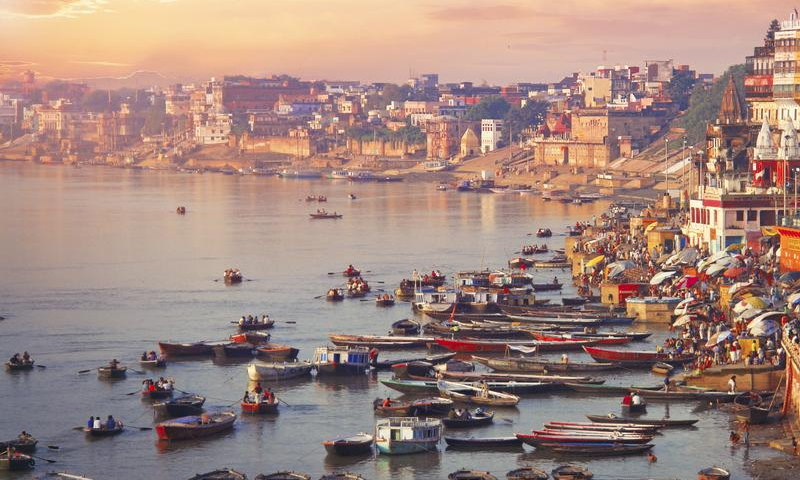
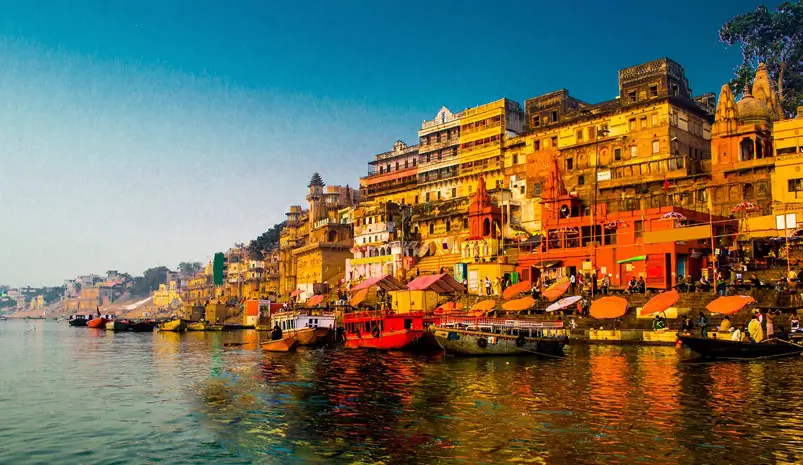
Varanasi is the focal point of this route, where the river is deeply integrated into daily life. The ghats serve as spaces for prayer, rituals, and ceremonies, creating a dynamic environment that reflects the city’s spiritual intensity. Observing these activities provides insight into the role of the river in shaping cultural and religious practices.
Haridwar and Rishikesh add different dimensions to the journey. Haridwar offers large-scale rituals and communal gatherings, while Rishikesh provides a more शांत and introspective environment focused on yoga and meditation.
Traveling along the Ganges allows travelers to experience the evolution of spirituality, from calm reflection to vibrant expression. For those seeking a sacred river pilgrimage in India, this route offers depth and diversity.
The pilgrimage routes to Amarnath and Vaishno Devi in Jammu and Kashmir represent journeys that are deeply rooted in devotion and physical effort. These routes involve traveling through mountainous terrain, adding a sense of challenge and achievement to the experience. Exploring mountain pilgrimage routes in India provides a unique combination of spirituality and adventure.
The Vaishno Devi pilgrimage involves a trek to a cave temple, where devotees seek blessings. The journey is well-organized, with facilities that support travelers along the route. Amarnath, on the other hand, is a more challenging pilgrimage that takes place during specific seasons.
For international travelers, curated experiences with helicopter access and guided arrangements make these journeys more accessible. Luxury accommodations and private transport ensure that the focus remains on the spiritual aspect rather than logistical challenges.
Step onto India’s sacred routes where every journey holds deep spiritual meaning and tradition.
Pilgrimage routes in India can be complex, requiring careful planning and understanding. A structured pilgrimage travel experience in India ensures that travelers can navigate these routes efficiently while gaining meaningful insights.
Guides play a crucial role in explaining the significance of each destination and ritual. Private arrangements and curated itineraries enhance comfort and convenience, allowing travelers to focus on the experience.
Designing a custom pilgrimage itinerary in India involves selecting routes that align with the traveler’s interests and available time. Combining circuits such as Char Dham, the Buddhist route, and South India temples creates a comprehensive journey that covers multiple aspects of spirituality.
Planning should include transportation, accommodations, and guided experiences to ensure a seamless journey. Working with a local expert helps in organizing these elements effectively.
If you are planning a pilgrimage journey across India with curated experiences and private arrangements, you can connect with a trusted travel expert.
He can help you design a personalized itinerary that includes sacred routes, guided tours, and comfortable travel arrangements.
Pilgrimage routes in India offer more than travel; they provide a structured path for understanding spirituality and personal reflection. By following these routes, travelers can experience traditions that have shaped the country for centuries.
With proper planning and guidance, these journeys become meaningful and transformative, offering insights that extend beyond the duration of the trip.
Post By :- Admin On | 24 Mar 2026
Char Dham, Buddhist circuit, South India temples, and Ganges route.
Its Himalayan setting and spiritual importance.
Yes, it focuses on meditation and mindfulness.
Yes, they offer architecture and structured rituals.
It represents spiritual traditions centered around the sacred river.
Yes, with curated and guided arrangements.
Through customized itineraries and expert guidance.
Yes, including private tours and premium accommodations.
Usually 10 to 20 days depending on routes.
A local expert can design a tailored journey.