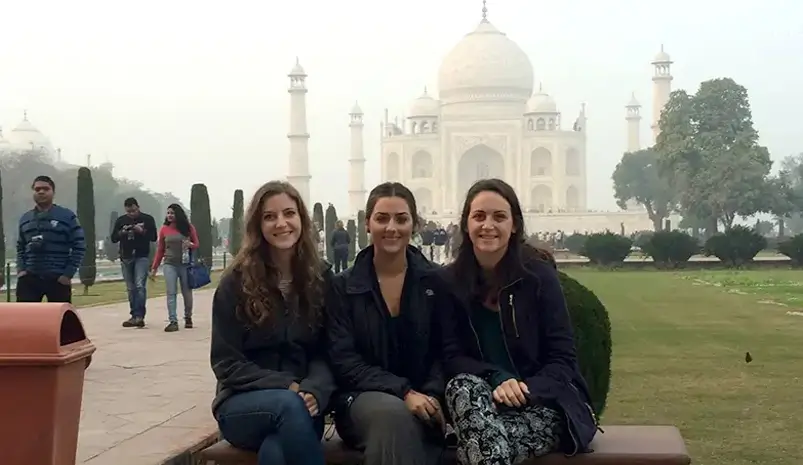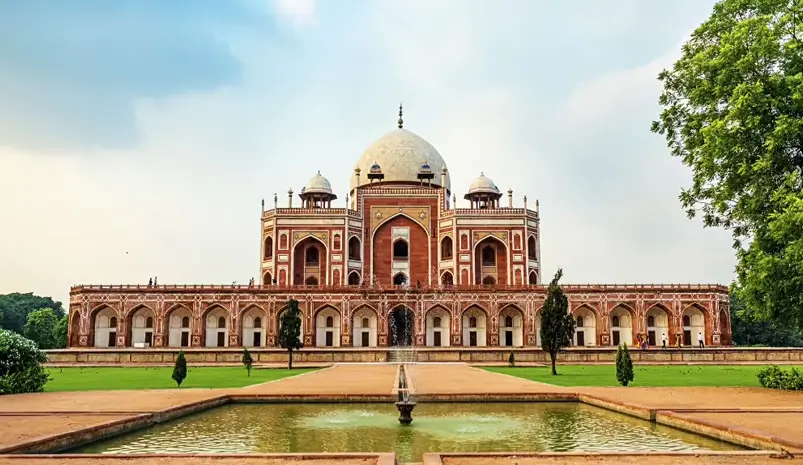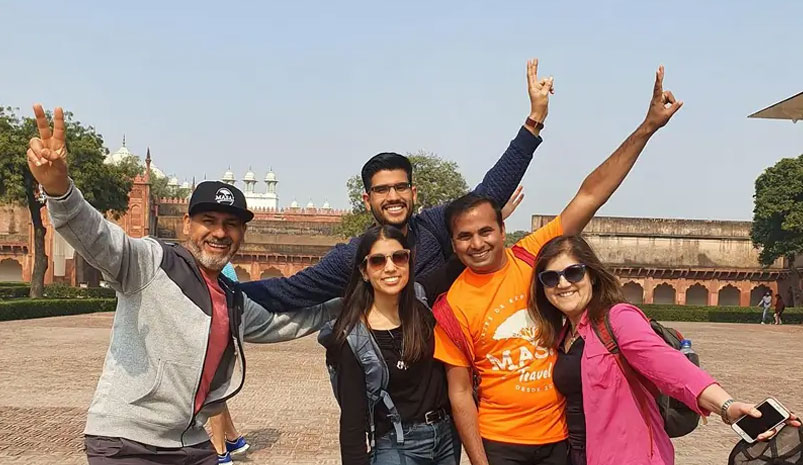



Beyond the shimmering waters of Lake Pichola and the grandeur of City Palace lies another side of Udaipur that many travelers never fully experience. This quieter dimension of the city reveals rural rhythms, artisan communities, ancient cenotaph complexes, and hilltop trails overlooking serene landscapes. An offbeat Udaipur tour is not about ticking iconic landmarks; it is about slowing down, stepping outside the standard tourist circuit, and engaging with Rajasthan at a deeper cultural level.
Udaipur’s surrounding villages, craft traditions, and lesser-known heritage sites offer meaningful immersion. Travelers who seek authenticity over spectacle often find this side of the city far more memorable than crowded palace corridors. The rural outskirts carry stories of traditional farming, pottery, weaving, and community life that remain untouched by mainstream tourism. Meanwhile, hidden architectural gems such as Ahar Cenotaphs narrate royal histories without the overwhelming footfall seen at larger monuments.
Exploring these experiences requires thoughtful planning, respectful cultural engagement, and often a local guide who understands regional dynamics. When done responsibly, an offbeat journey through Udaipur transforms a typical holiday into a culturally rich exploration of Rajasthan’s living heritage.
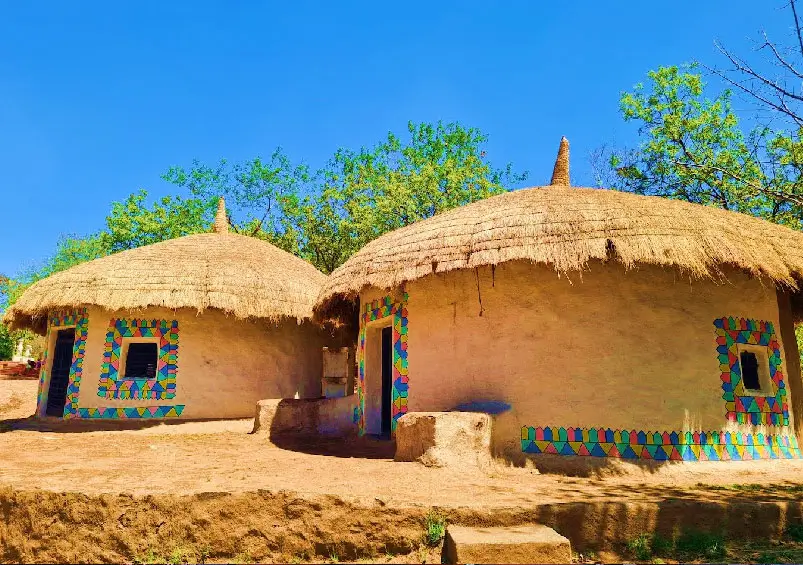
The countryside surrounding Udaipur presents a striking contrast to the city’s lakefront elegance. Within a short drive, visitors encounter small villages where traditional lifestyles continue largely unchanged. Mud houses with painted walls, grazing livestock, hand pumps, and agricultural fields create an authentic rural landscape that feels worlds away from palace hotels.
A rural village tour in Udaipur offers insight into daily life in Rajasthan. Travelers can observe farming practices adapted to semi-arid conditions, interact with local families, and learn about community-based crafts. Many villages specialize in pottery, textile weaving, or miniature painting techniques passed down through generations. These interactions foster genuine cultural exchange rather than staged performances.
Responsible operators ensure that visits are conducted respectfully, without disrupting daily routines. Guests are encouraged to engage in conversations, understand local customs, and support artisans through direct purchases rather than exploitative bargaining. Experiencing rural Rajasthan broadens perspective, revealing the resilience and warmth of communities that form the cultural backbone of the region.
Such excursions are particularly rewarding for travelers interested in cultural immersion in Rajasthan. Rather than photographing monuments alone, visitors witness living traditions, seasonal agricultural cycles, and village festivals that define authentic regional identity.
Step beyond the usual tourist spots and explore Udaipur’s hidden gems, from peaceful lakes and scenic viewpoints to cultural villages and untouched heritage sites.
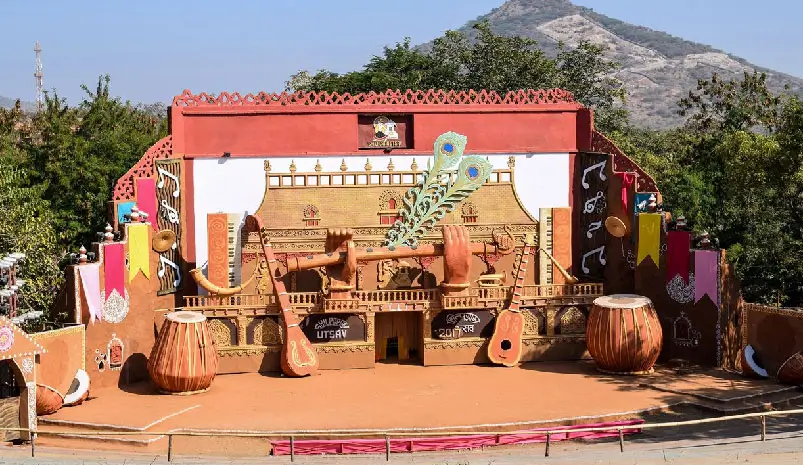
Located just outside the city, Shilpgram Udaipur serves as a dedicated crafts village showcasing rural arts and heritage architecture from Rajasthan and neighboring states. Designed as a living ethnographic museum, Shilpgram allows visitors to walk through reconstructed huts representing different tribal and artisan communities.
The complex highlights traditional handicrafts including block printing, pottery, weaving, leatherwork, and tribal jewelry. Artisans often demonstrate techniques on-site, providing educational insight into craft processes rarely understood by urban audiences. Purchasing directly from creators supports local economies while preserving heritage skills.
During cultural festivals, Shilpgram becomes particularly vibrant with folk dance performances, music concerts, and craft exhibitions. Even outside festival periods, the village remains a valuable destination for those interested in Rajasthan handicrafts and folk culture.
Unlike commercial shopping areas, Shilpgram emphasizes authenticity. Visitors gain understanding of regional diversity within Rajasthan itself. The layout encourages slow exploration, reflection, and appreciation of craftsmanship rather than hurried consumption.
For travelers seeking meaningful cultural engagement, Shilpgram offers depth beyond souvenir shopping. It reveals how traditional art forms continue to sustain rural livelihoods in a rapidly modernizing society.
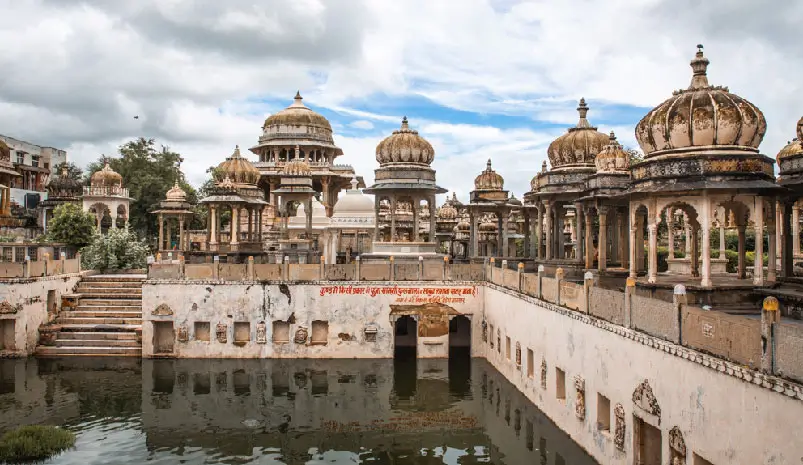
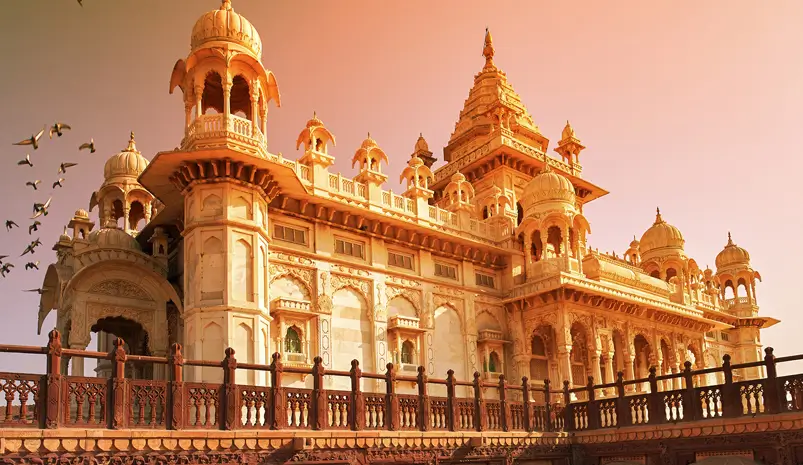
While City Palace draws global attention, the Ahar Cenotaphs Udaipur remain relatively undiscovered by mainstream tourism. This complex of royal memorials, built over centuries, commemorates Maharanas of Mewar. Intricately carved domes rise elegantly against open skies, creating a serene architectural landscape.
The cenotaphs reflect Rajput funerary architecture characterized by delicate stone carvings and symmetrical pavilions. Unlike crowded heritage sites, Ahar offers quiet contemplation. Visitors can explore at their own pace, appreciating craftsmanship without interruption.
The site’s peaceful atmosphere enhances historical reflection. Understanding the lineage of Mewar rulers provides context to Udaipur’s royal heritage beyond palace grandeur. For history enthusiasts, this location adds dimension to the city’s narrative.
Photography enthusiasts appreciate the interplay of light and shadow across white marble structures. The absence of large crowds allows uninterrupted framing. As part of an offbeat heritage tour in Udaipur, Ahar Cenotaphs offer rare insight into memorial architecture often overshadowed by larger monuments.
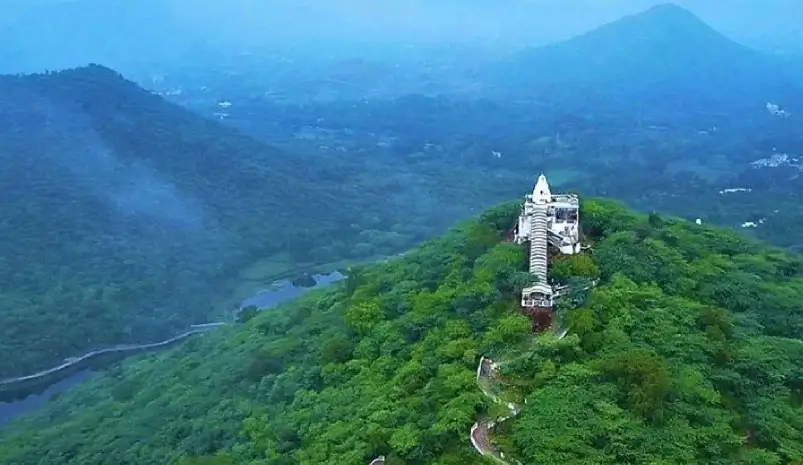
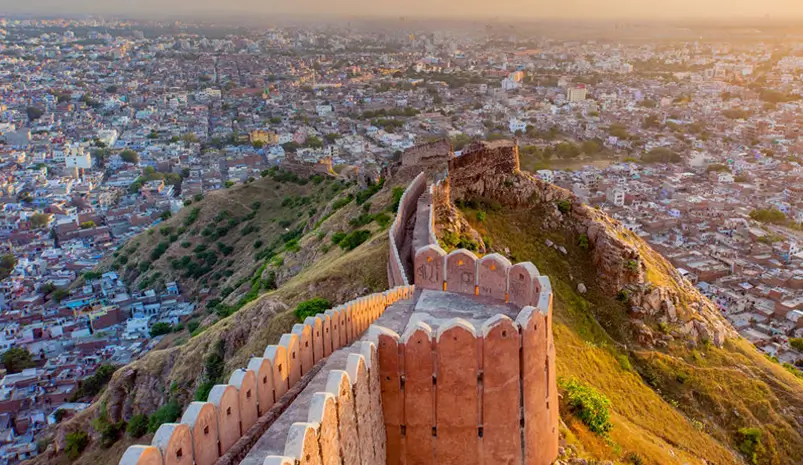
For travelers interested in light adventure combined with spiritual ambiance, the Neemach Mata Temple trek offers a rewarding experience. Located atop a hill near Fateh Sagar Lake, the temple is accessible through a gradual walking trail suitable for moderate fitness levels.
Early morning or late afternoon hikes provide cooler temperatures and scenic views. The ascent reveals panoramic landscapes of Udaipur’s lakes and surrounding hills. Unlike heavily commercialized viewpoints, Neemach Mata maintains a relatively peaceful environment.
The trek allows visitors to witness daily devotional practices of local residents. Observing worship rituals respectfully offers insight into spiritual traditions integrated into everyday life.
Adventure seekers often combine the hike with photography sessions, capturing sunrise hues over the Aravalli range. The trail’s accessibility makes it suitable for travelers seeking outdoor activity without extreme exertion.
Incorporating Neemach Mata into an offbeat Udaipur itinerary balances cultural exploration with physical engagement, offering perspective beyond urban sightseeing.
Exploring lesser-known eateries enhances the authenticity of an offbeat journey. Neighborhood restaurants away from main tourist hubs often serve traditional Rajasthani dishes prepared according to local recipes.
Sampling regional specialties such as dal baati churma, gatte ki sabzi, and traditional sweets provides culinary immersion. Engaging with restaurant owners offers stories about family-run establishments and generational cooking traditions.
Travelers should prioritize hygienic settings and seek recommendations from trusted locals or guides. Dining outside mainstream zones allows meaningful connection with community life.
Food exploration becomes an extension of cultural discovery, enriching the overall authentic Rajasthan travel experience.
Discover a unique side of Udaipur with offbeat experiences that go beyond the usual attractions.From hidden spots and local culture to peaceful surroundings.
Offbeat exploration demands sensitivity. Visitors should dress modestly, ask permission before photographing individuals, and avoid intrusive behavior. Purchasing handicrafts at fair prices supports artisans without exploitation.
Environmental awareness is equally important. Avoid littering trails or rural spaces. Supporting eco-conscious operators ensures sustainable tourism benefits communities.
Responsible behavior strengthens positive relationships between travelers and hosts. Ethical engagement transforms tourism into cultural exchange rather than superficial observation.
While spontaneous exploration has charm, structured planning ensures efficient time usage. Combining village visits with Shilpgram in one day and scheduling Ahar Cenotaphs with Neemach Mata trek on another creates balanced pacing.
Hiring a knowledgeable local guide enhances understanding of historical and cultural nuances. Private transportation allows flexibility between scattered rural sites.
Travelers seeking deeper immersion may consider homestay experiences in nearby villages, offering firsthand insight into rural hospitality traditions.
Thoughtful itinerary design transforms scattered attractions into a cohesive hidden gems Udaipur tour.
Many visitors seek experiences beyond iconic postcards. Offbeat Udaipur reveals the living fabric of Rajasthan rather than its staged spectacles. It appeals to photographers, anthropologists, artists, and travelers yearning for authenticity.
The absence of heavy crowds allows deeper emotional connection with landscapes and people. Cultural conversations replace hurried sightseeing. Slow travel encourages observation of subtle details often overlooked in mainstream itineraries.
For those willing to step beyond the lakefront glamour, Udaipur offers layers of tradition waiting to be discovered.
Post By :- Admin On | 04 Mar 2026
Rural village visits, Shilpgram exploration, Ahar Cenotaphs and Neemach Mata trek.
Yes, the trail is moderate and manageable for most visitors.
Yes, when arranged through responsible local operators.
It is located a short drive from the main city area.
Yes, photography is generally permitted.
Early morning or late afternoon for cooler weather.
It is better to spread them over two days for relaxed pacing.
Guides enhance cultural understanding but are optional.
Yes, though festival periods offer enhanced experiences.
Yes, it complements luxury stays with cultural depth.