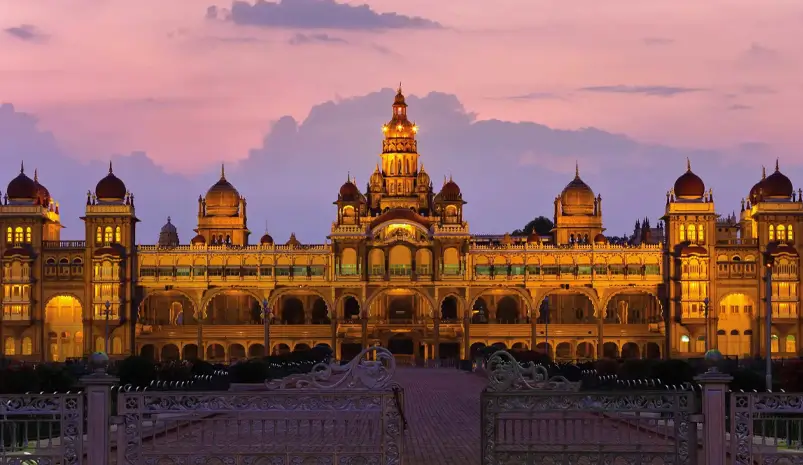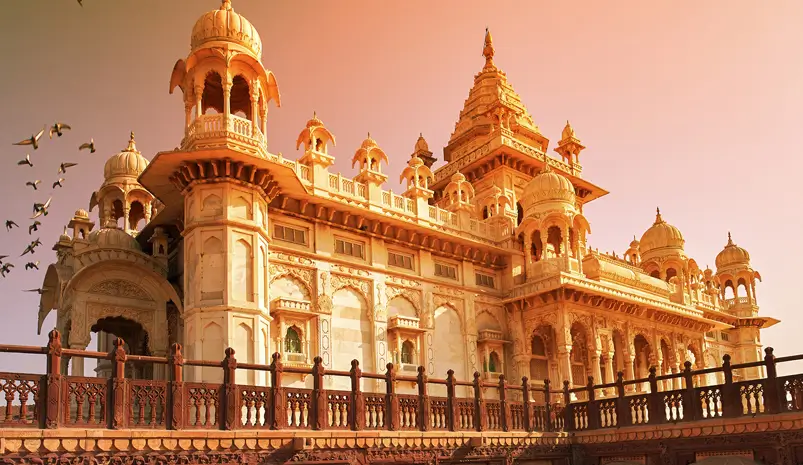



India is a country where landmarks are not just physical structures but symbols of history, culture, and identity. Each landmark represents a story shaped by centuries of architectural evolution, political influence, and cultural expression. From grand monuments built by emperors to sacred sites that continue to hold spiritual significance, these landmarks offer a window into the country’s diverse heritage. Exploring the most famous landmarks in India allows travelers to experience these layers in a way that is both visually captivating and intellectually enriching.
For international travelers from the USA, UK, and Europe, India’s landmarks provide an opportunity to witness a range of architectural styles and cultural influences within a single journey. Mughal, Rajput, Dravidian, colonial, and modern elements coexist across different regions, creating a rich and varied landscape. These landmarks are not isolated attractions but part of a larger cultural context that includes local traditions, communities, and everyday life.
A carefully designed landmark travel experience in India focuses on understanding the significance of each site rather than simply visiting it. With guided exploration, curated access, and thoughtfully planned itineraries, travelers can engage with these landmarks in a meaningful and comfortable way.
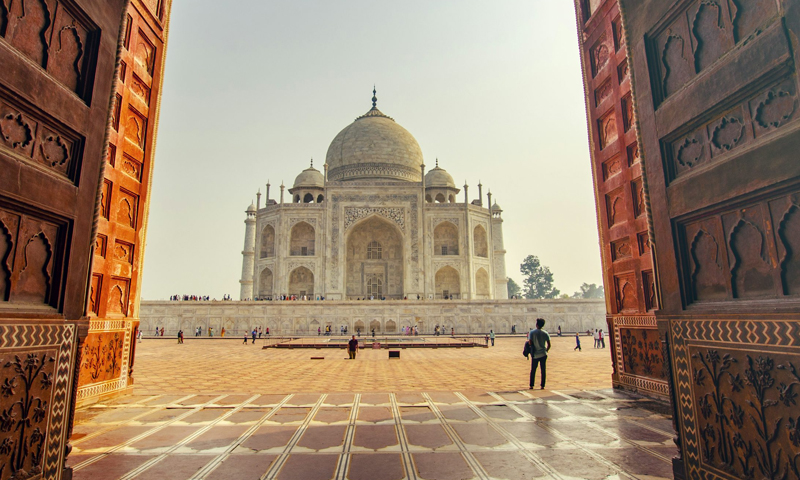
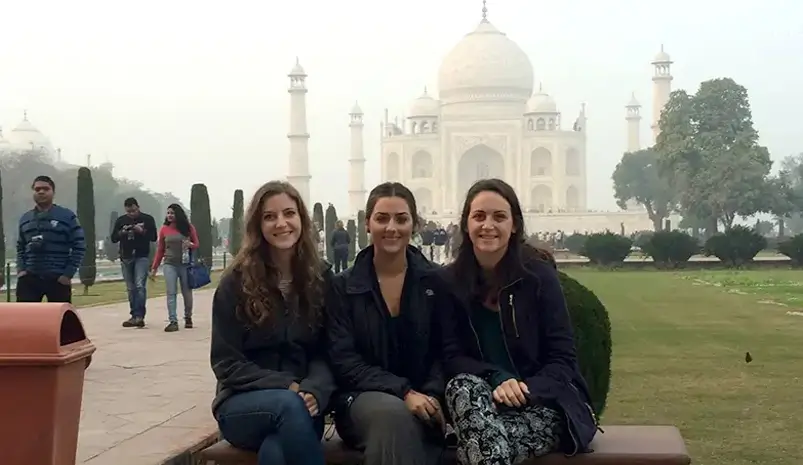
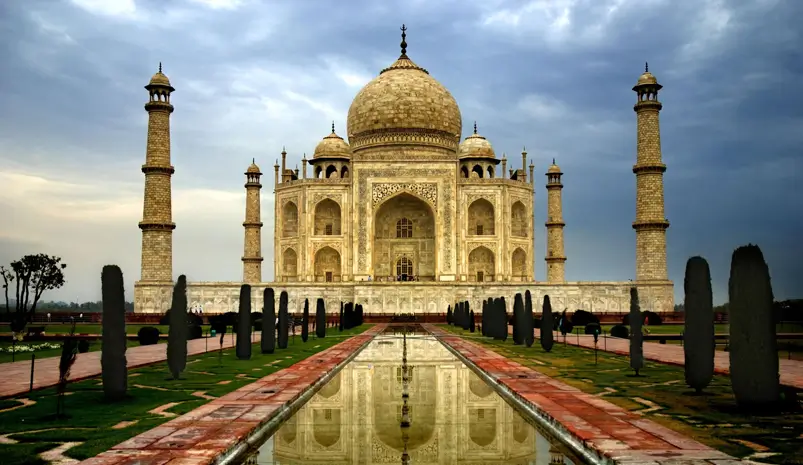
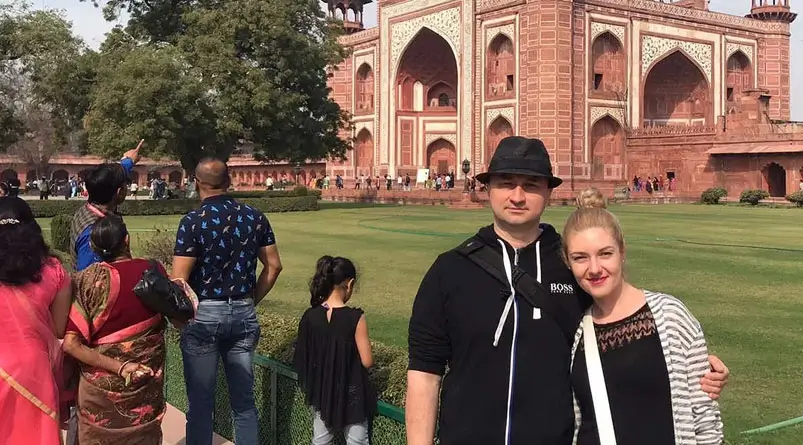
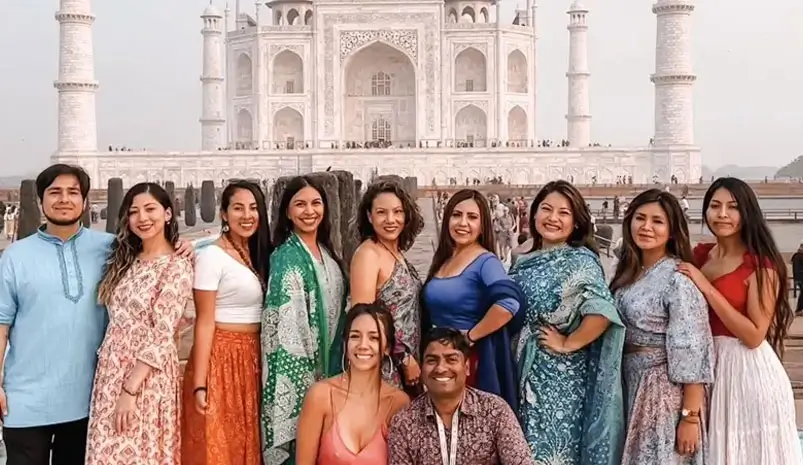
The Taj Mahal in Agra is perhaps the most recognized landmark in India and one of the most iconic structures in the world. Built by Emperor Shah Jahan as a tribute to his wife, the monument is widely regarded as a masterpiece of Mughal architecture. Exploring the Taj Mahal travel experience India provides insight into a structure that combines artistic precision with emotional significance.
The symmetry of the Taj Mahal, along with its white marble construction and intricate inlay work, creates a visual harmony that is both elegant and timeless. Every element, from the central dome to the surrounding gardens, has been designed with meticulous attention to detail. The use of semi-precious stones in decorative patterns adds another layer of refinement to the structure.
The experience of visiting the Taj Mahal changes throughout the day. Early morning visits offer a शांत and reflective environment, while sunset views highlight the monument’s changing colors. Understanding the historical and cultural context through a guided tour enhances appreciation of its significance.
Luxury travel experiences often include private access arrangements, guided tours, and premium accommodations in Agra. This ensures that travelers can experience the most iconic landmark in India in a comfortable and immersive way.
Explore India’s most visited and admired monuments — from ancient wonders to modern marvels — and create memories that last a lifetime.
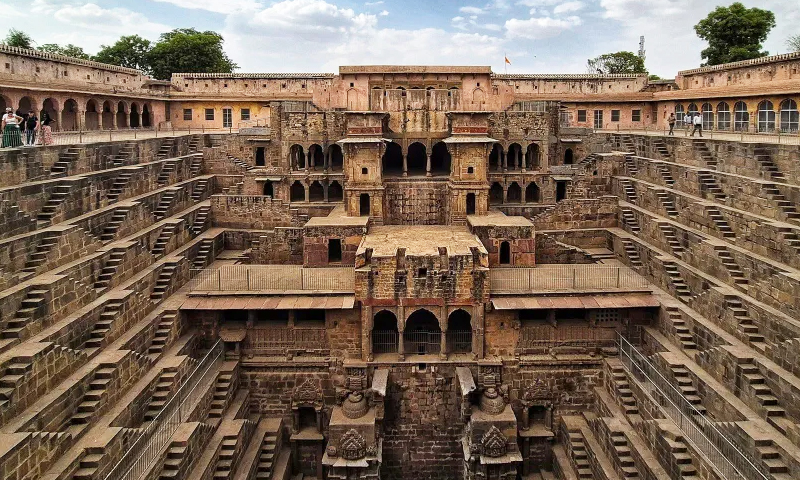
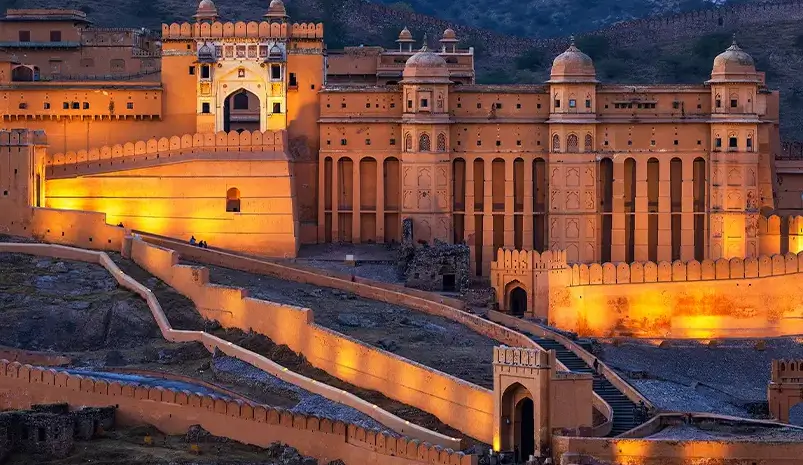
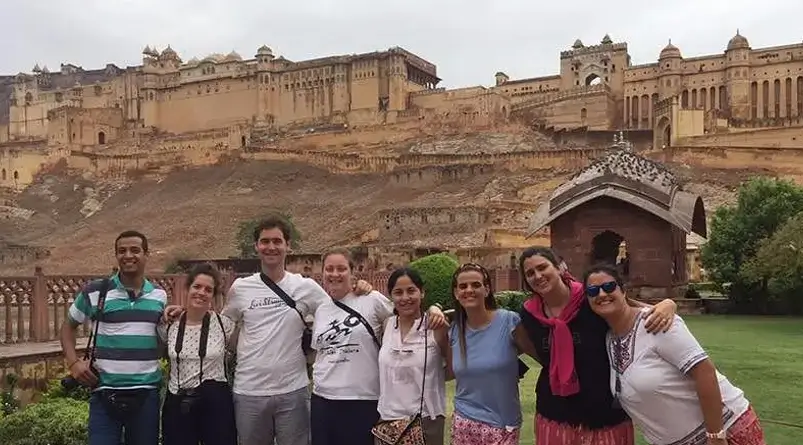
Chat On WhatsApp Contact UsJaipur is home to some of the most impressive forts in India, each offering a unique perspective on Rajput architecture and history. Exploring the Jaipur forts travel experience India provides a comprehensive understanding of the region’s royal heritage.
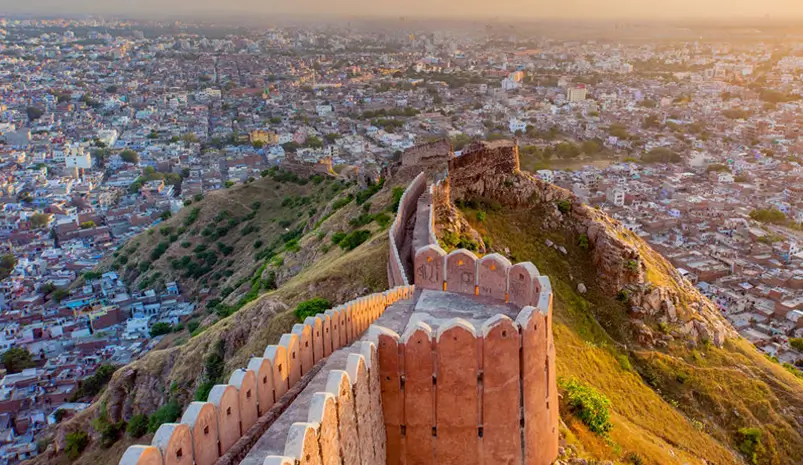
Amber Fort, located on a hill overlooking the city, is known for its grand courtyards, intricate interiors, and panoramic views. The fort’s design reflects a blend of defensive and residential architecture, creating spaces that are both functional and aesthetically pleasing. Walking through its halls reveals details such as mirror work, carvings, and decorative elements that showcase the craftsmanship of the era.
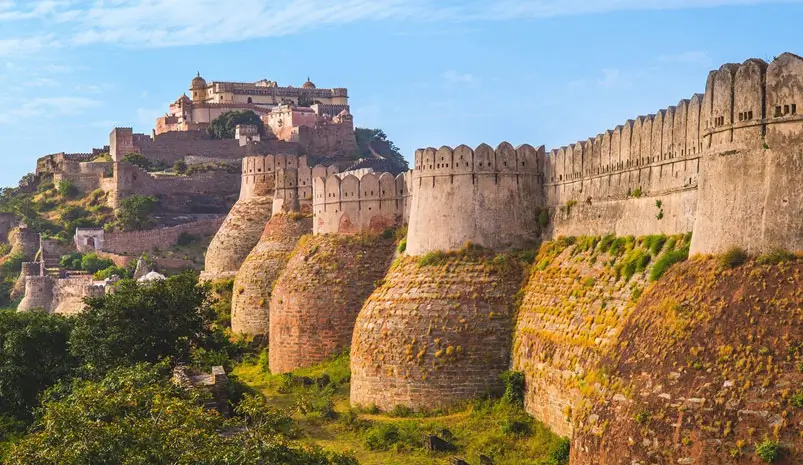
Jaigarh Fort, located nearby, offers a more strategic perspective, with its strong walls and historical significance as a military structure. Nahargarh Fort, on the other hand, provides a scenic viewpoint of Jaipur, making it a popular location for experiencing the city’s landscape.
Together, these forts create a layered experience that reflects different aspects of Jaipur’s history. For travelers seeking a heritage landmark experience in India, Jaipur’s forts offer depth and variety.
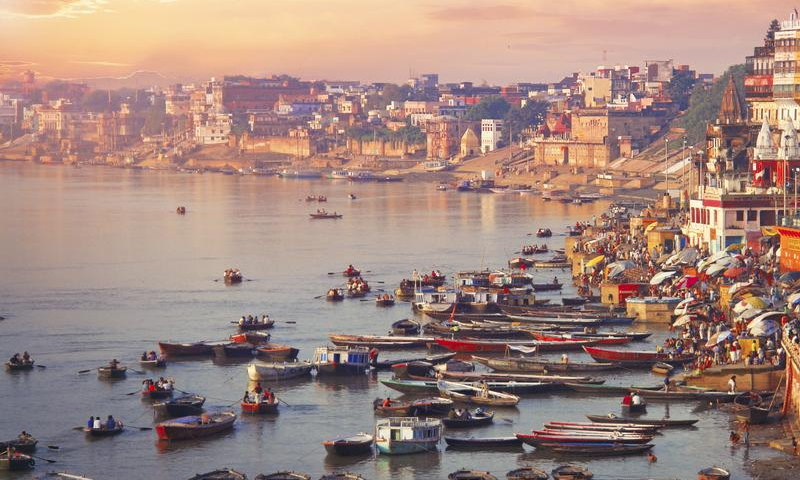
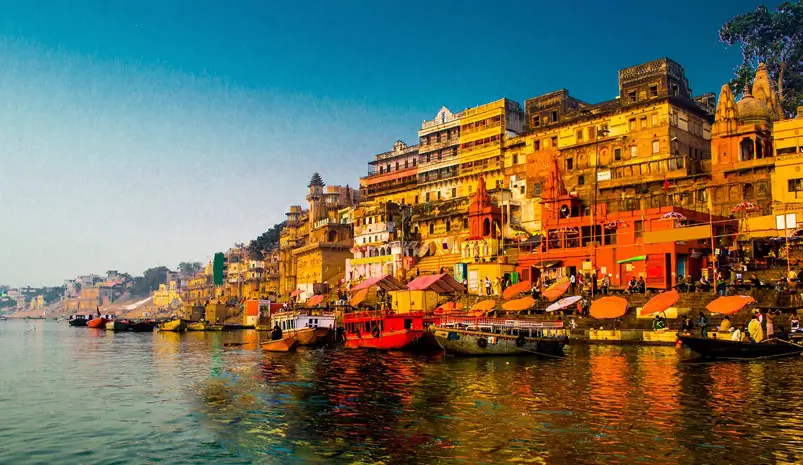
The ghats of Varanasi represent a different type of landmark, where the focus is not on architecture alone but on continuous human activity. These steps leading to the Ganges River are spaces where rituals, ceremonies, and daily life unfold in a deeply interconnected way. Exploring the Varanasi ghats cultural experience India provides insight into a living tradition.
Each ghat has its own significance, with some dedicated to rituals, others to ceremonies, and many to everyday activities. The sight of people performing prayers, bathing in the river, and participating in rituals creates an atmosphere that is both intense and meaningful.
The evening Ganga Aarti transforms the ghats into a stage for synchronized rituals involving fire, chants, and offerings. This daily ceremony is one of the most powerful experiences in India, combining visual spectacle with spiritual depth.
Experiencing the ghats through guided walks and boat rides allows travelers to understand their significance. For those seeking a spiritual landmark experience in India, Varanasi offers unmatched authenticity.
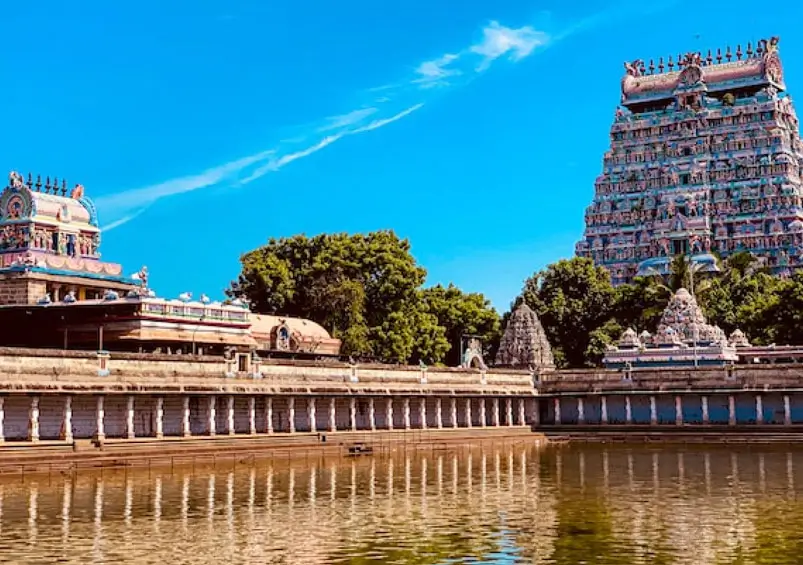
The Meenakshi Temple in Madurai stands as one of the most impressive examples of Dravidian architecture in India. Its towering structures, intricate carvings, and vibrant colors create a visual experience that is both grand and detailed. Exploring the Meenakshi Temple travel experience India allows travelers to engage with a landmark that is both architectural and spiritual.
The temple complex is vast, consisting of multiple halls, corridors, and shrines that are arranged in a structured layout. The carvings depict mythological stories, creating a narrative that is integrated into the architecture. Walking through these spaces provides a sense of scale and complexity that is difficult to replicate.
Rituals performed within the temple add another dimension to the experience, making it a living space rather than a static monument. Observing these practices provides insight into the continuity of tradition.
For travelers interested in South India temple landmarks, Meenakshi Temple offers one of the most complete and immersive experiences.
The Golden Temple in Amritsar is one of the most significant spiritual landmarks in India, known for its inclusivity and architectural beauty. Surrounded by a sacred pool, the temple creates a serene and reflective environment that attracts visitors from around the world. Exploring the Golden Temple travel experience India provides a unique perspective on spirituality and community.
The temple’s design, with its gold-covered structure and symmetrical layout, creates a striking visual impact. The reflection of the temple in the surrounding water adds to its beauty, especially during early morning and evening visits.
The Langar, or community kitchen, is an integral part of the experience, serving meals to thousands of people every day. This practice reflects the values of equality and service, making the temple not only a place of worship but also a center of community life.
For travelers seeking a spiritual landmark experience in India, the Golden Temple offers a balance of beauty, meaning, and accessibility.
Start your journey today and explore must-see landmarks like forts, palaces, temples, and cultural icons with customized travel plans.
Chat On WhatsApp Contact UsDelhi offers a collection of landmarks that reflect different periods of history, from ancient to modern. Exploring the Delhi landmark travel experience India provides a comprehensive understanding of the country’s historical evolution.
Qutub Minar, a UNESCO World Heritage Site, stands as one of the tallest brick minarets in the world. Its intricate carvings and architectural design reflect the craftsmanship of its time. Nearby structures, such as the Quwwat-ul-Islam Mosque, add to the historical context.
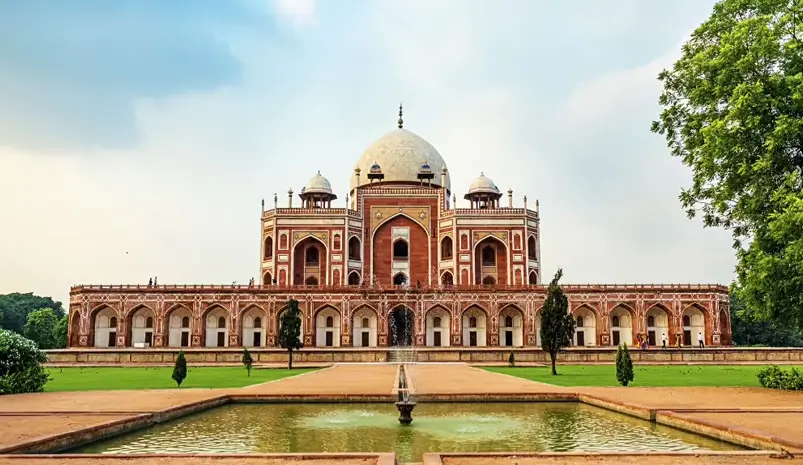
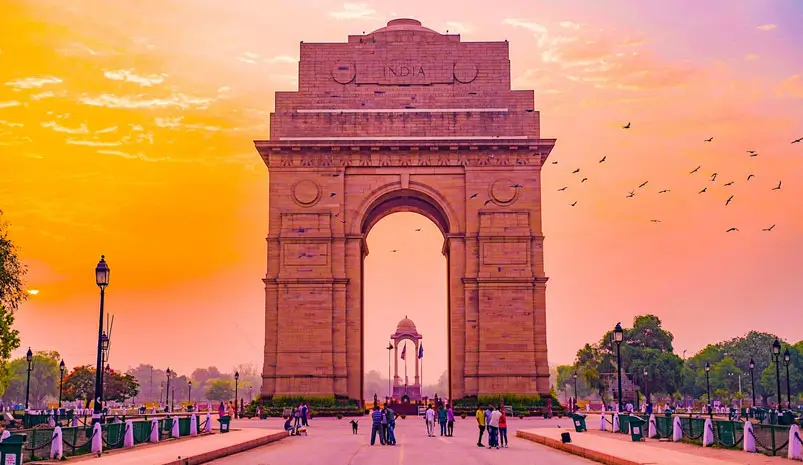
Other landmarks in Delhi, including Humayun’s Tomb and India Gate, represent different architectural styles and historical periods. Together, these sites create a layered narrative that reflects the city’s complex past.
For travelers interested in historical landmarks in India, Delhi offers a diverse and engaging experience.
Designing a custom landmark travel itinerary in India involves selecting destinations that offer a balance of history, culture, and accessibility. Combining Agra, Jaipur, Varanasi, Madurai, Amritsar, and Delhi creates a comprehensive journey that covers different aspects of the country’s heritage.
Planning should include guided tours, private transport, and carefully selected accommodations to ensure comfort and convenience. Each landmark should be explored with sufficient time to understand its significance.
India’s landmarks offer a gateway to understanding its history, culture, and identity. By exploring these sites in depth, travelers can gain insights that go beyond visual appreciation.
With proper planning and guidance, visiting these landmarks becomes a meaningful journey that connects past and present in a unique and engaging way.
Post By :- Admin On | 04 Apr 2026
Taj Mahal, Jaipur forts, Varanasi ghats, Meenakshi Temple, Golden Temple, and Delhi monuments.
Its architecture, history, and symbolic significance.
Their royal architecture and historical value.
They are both cultural and spiritual.
Its intricate architecture and rituals.
Its spiritual values and community practices.
Yes, with proper planning.
Yes, including guided tours and premium stays.
Typically 7 to 14 days.
A local expert can design a tailored journey.