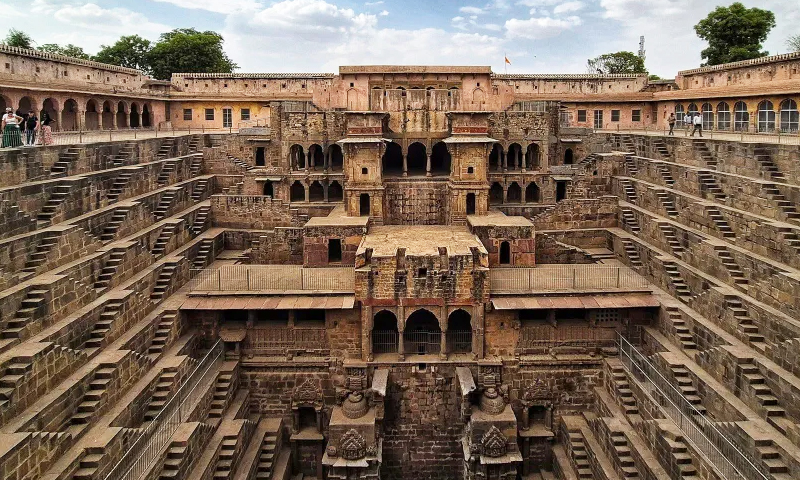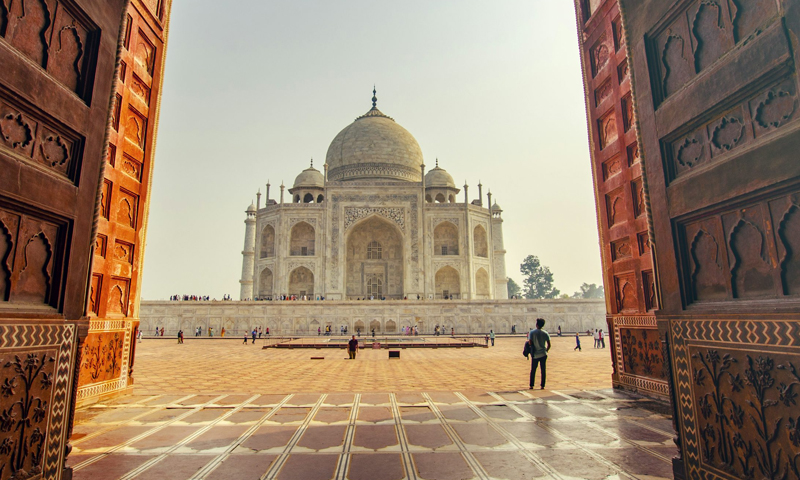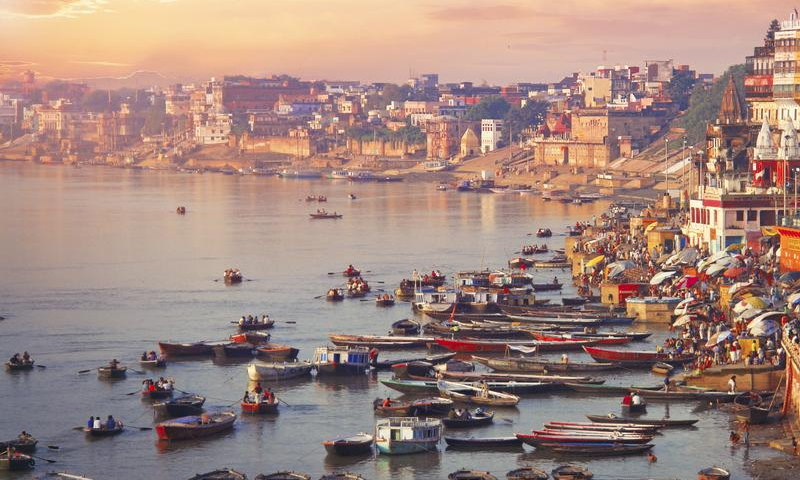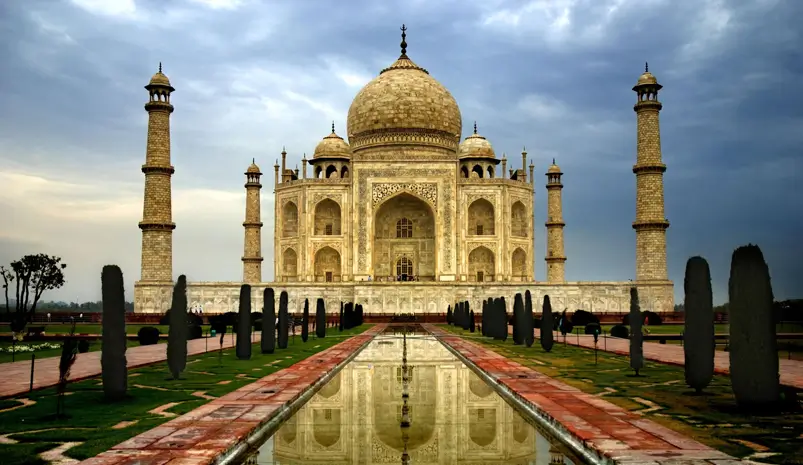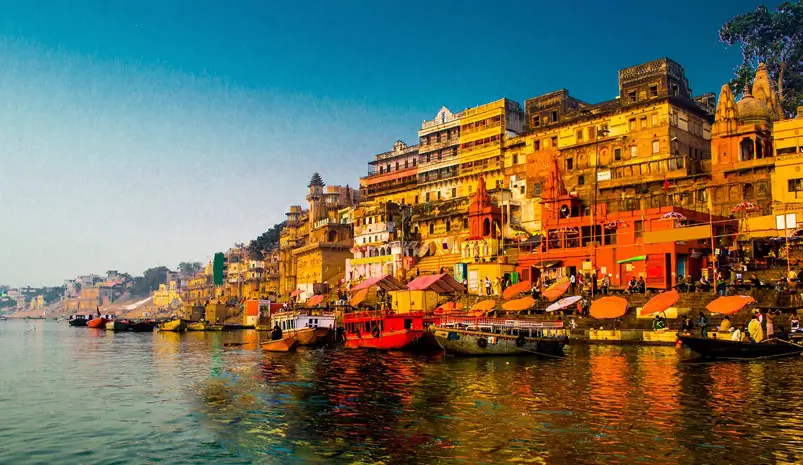



Traveling to India is an exciting journey filled with cultural discoveries, historical monuments and unforgettable experiences. From the majestic Taj Mahal and the royal palaces of Rajasthan to the sacred ghats of Varanasi and the serene backwaters of Kerala, every destination offers unique insights into India’s vibrant heritage. While planning accommodations, transportation and sightseeing itineraries is important, one practical aspect of travel preparation that visitors must understand is money exchange in India for travelers.
International visitors arriving in India will need local currency known as Indian Rupees, which are used for most daily transactions including taxis, local markets, restaurants and small purchases. Although major hotels and larger establishments accept international credit cards, cash remains essential for many local services, especially in traditional markets and smaller cities.
Understanding how currency exchange in India works can help travelers avoid unnecessary fees, ensure safe transactions and manage their travel budget efficiently. India offers several options for exchanging foreign currency including airport counters, banks, authorized money changers and ATM withdrawals. Each option has its own advantages depending on convenience, exchange rates and accessibility.
This comprehensive guide explains where travelers can safely convert money, how to access local currency through ATMs, and important tips to follow when handling money during an India trip.
India’s official currency is the Indian Rupee, commonly abbreviated as INR. Banknotes are issued in various denominations, allowing travelers to handle both small and large payments conveniently. Coins are also used for smaller purchases, although paper notes are far more common in daily transactions.
In major metropolitan cities such as Delhi, Mumbai and Bangalore, digital payment systems are widely accepted in hotels, restaurants and shopping malls. However, many smaller shops, street vendors and local markets still rely primarily on cash transactions.
Travelers visiting traditional bazaars or rural destinations will often find that cash payments are preferred. This is particularly true when purchasing handicrafts, souvenirs or street food in popular tourist areas.
Carrying Indian Rupees for travel expenses ensures that visitors can easily pay for transportation, local experiences and small purchases without relying solely on card payments.
Understanding the local payment culture also helps travelers manage their finances more effectively while exploring India’s diverse destinations.
Learn how to exchange money safely, avoid fake agents, and always use licensed providers for a secure travel experience.
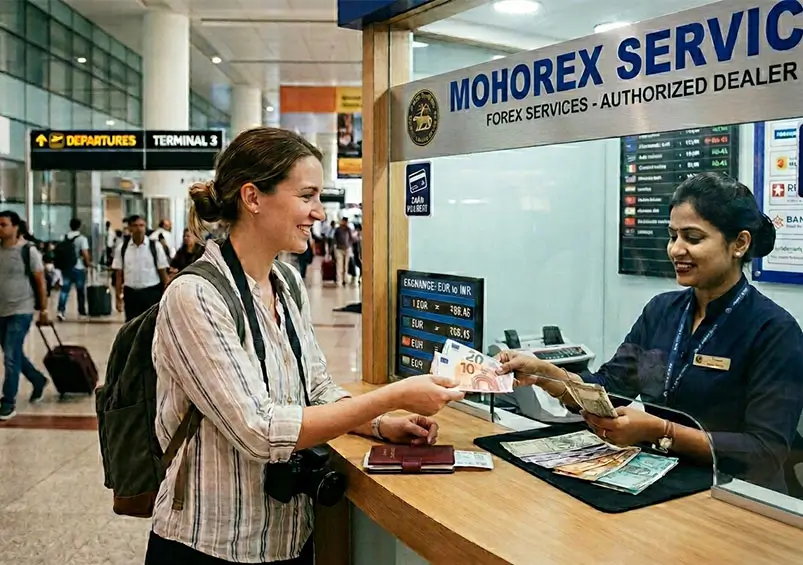
Chat On WhatsApp Contact UsOne of the most convenient places to obtain Indian Rupees for travelers is the international airport upon arrival. Airports in major cities such as Delhi, Mumbai and Bangalore offer multiple currency exchange counters inside the arrival halls.
Airport exchange counters allow travelers to convert foreign currency into Indian Rupees immediately after landing. This is particularly useful for covering transportation costs from the airport, tipping service staff or purchasing food and basic necessities.
While airport exchange counters provide convenience, exchange rates may sometimes be slightly higher than those offered by banks or authorized currency exchange offices in the city. However, exchanging a small amount of money at the airport is generally recommended so travelers have immediate access to local currency.
Many airport counters accept major international currencies including US dollars, euros, British pounds and Australian dollars. Travelers should keep their passports available because identification is typically required when exchanging money.
Obtaining some Indian Rupees at the airport allows travelers to begin their journey without worrying about immediate cash needs.
Withdrawing cash from ATMs is another popular method for obtaining local currency in India. International debit and credit cards are widely accepted at ATMs located in airports, shopping centers, hotels and major streets in cities across the country.
Using ATMs can often provide competitive exchange rates compared to currency exchange counters. Travelers simply withdraw Indian Rupees directly from their bank account using their international card.
However, it is important to check with your bank before traveling to confirm that international withdrawals are enabled. Some banks may require travel notifications to prevent security blocks on overseas transactions.
ATMs in India usually allow withdrawals up to a certain limit per transaction. Travelers may need to make multiple withdrawals if they require larger amounts of cash.
For safety reasons, it is advisable to use ATMs located in well-lit areas such as airports, shopping malls or hotel lobbies. These locations are generally more secure than isolated street machines.
Using ATMs for currency withdrawal in India provides a convenient way to access local currency throughout your journey.
Another reliable option for foreign currency exchange in India is visiting authorized money changers or banks in major cities.
Authorized exchange offices operate under regulations that ensure transparency and fair currency conversion practices. These establishments typically display exchange rates clearly and provide official receipts for transactions.
Banks also offer currency exchange services for travelers. However, the process may take longer because banks often require additional documentation and paperwork.
Money changers located in tourist districts such as Connaught Place in Delhi or Colaba in Mumbai are accustomed to assisting international travelers. Many of these offices offer competitive exchange rates and efficient service.
When exchanging money at authorized counters, travelers should always request a receipt for the transaction. This receipt may be required if travelers later wish to convert unused Indian Rupees back into foreign currency before departing India.
Choosing reputable currency exchange services in India ensures safe and transparent financial transactions during your trip.
Travelers should exercise caution when approached by individuals offering currency exchange services outside authorized establishments. Unofficial exchange offers may appear attractive due to slightly better rates, but they carry significant risks.
Unregulated transactions can lead to counterfeit currency, incorrect calculations or fraudulent practices. Accepting such offers may result in financial losses or complications with local authorities.
To ensure safe transactions, travelers should always exchange money at official counters, banks or authorized money changers. These establishments follow government regulations and provide legitimate currency exchange services.
Maintaining awareness of these precautions helps travelers protect their finances while exploring India.
Use the right mix of cash and cards for a smooth trip. Know where cash is essential and how to avoid extra fees while paying.
Chat On WhatsApp Contact UsOnce travelers obtain Indian Rupees, managing cash responsibly becomes important for both convenience and safety.
Carrying a mix of smaller and larger denomination notes can be useful for different types of transactions. Smaller notes are ideal for taxis, street food vendors and local markets where exact change may not always be available.
Travelers should avoid carrying large amounts of cash at once. Instead, it is safer to withdraw or exchange money in smaller quantities as needed during the journey.
Using hotel safes or secure travel pouches can help protect cash and important documents.
In larger cities, digital payments and credit cards are widely accepted, but travelers should still keep some cash available for smaller purchases.
Balancing cash usage with electronic payments allows visitors to manage their finances efficiently while traveling through India.
India is often considered an affordable destination compared to many Western countries. However, travel costs can vary depending on accommodation choices, transportation style and dining preferences.
Travelers staying in luxury hotels or heritage palaces may spend more on accommodations and fine dining experiences. Meanwhile, those staying in mid-range hotels and eating at local restaurants may find daily expenses relatively modest.
Transportation costs can also vary depending on whether travelers use trains, domestic flights or private car and driver tours in India.
Budgeting carefully allows travelers to plan their expenses realistically and avoid unexpected financial surprises during their journey.
Understanding typical travel costs helps visitors determine how much local currency they may need throughout their trip.
Preparing finances before arriving in India can make the travel experience smoother. Travelers should inform their bank about their travel plans so that international transactions are not blocked for security reasons.
Carrying at least two different payment methods such as a debit card and a credit card provides backup options in case one card becomes unavailable.
Keeping digital copies of financial documents and emergency contact numbers can also help resolve issues quickly if cards are lost or stolen.
Travelers who plan longer journeys across India often arrange customized tours that include transportation, hotels and guides. Pre-booking such services allows travelers to manage their expenses more efficiently.
Visitors planning personalized itineraries or private tours can contact Mr. Bhagwan Soni at INDIA WORLD WIDE TRAVEL on +91-9413901196 or email info@indiaworldwidetravel.com for assistance with travel planning and arrangements across India.
Understanding how money exchange works in India helps travelers focus on enjoying the country’s incredible experiences rather than worrying about financial logistics.
From exploring the vibrant markets of Jaipur to tasting local street food in Delhi and visiting ancient temples in southern India, having access to local currency ensures smooth transactions throughout the journey.
With proper planning, safe currency exchange practices and responsible cash management, travelers can explore India comfortably and confidently.
India’s diverse destinations, rich traditions and welcoming hospitality make it one of the world’s most fascinating travel experiences. Preparing finances wisely ensures that visitors can fully immerse themselves in this remarkable country.
Post By :- Admin On | 06 Apr 2026
Travelers can contact Mr. Bhagwan Soni at INDIA WORLD WIDE TRAVEL via +91-9413901196 or info@indiaworldwidetravel.com for personalized travel planning and services.
Travelers should carry moderate amounts of local currency and withdraw more when needed.
Digital payments are common in cities, but cash is often required in smaller shops and markets.
Yes, receipts may be needed if travelers convert remaining Indian Rupees back into foreign currency.
Carrying reasonable amounts of Indian Rupees for travel expenses is generally safe when handled responsibly.
Credit cards are accepted in many hotels and restaurants but cash is still widely used.
Yes, most international debit and credit cards work at ATMs across India.
Airport exchange counters are convenient, but city exchange offices sometimes offer slightly better rates.
Currency can be exchanged at airports, banks and authorized foreign exchange counters in India.
India uses the Indian Rupee (INR) for all official transactions.