


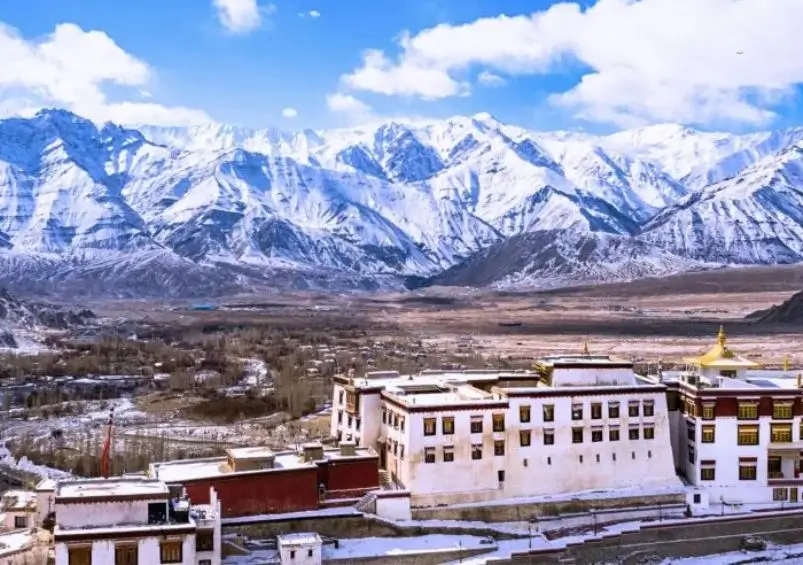
Planning a trip to Ladakh is very different from planning a regular India itinerary. Unlike destinations such as Delhi, Jaipur, or Kerala, Ladakh involves high-altitude travel, limited infrastructure, and strict permit systems. Because of this, the Leh Ladakh tour cost for foreign tourists is structured differently and often higher than standard travel routes in India.
The region is located in the Himalayan mountains, which means accessibility is limited. Most travelers reach Leh by flight, and road journeys are long and physically demanding. This naturally increases transportation costs. In addition, the high altitude requires proper acclimatization, which means spending extra days in Leh before starting sightseeing. These additional days add to hotel and food expenses.
Accommodation options in Ladakh are more limited compared to major cities. While mid-range hotels are available, luxury options are fewer and often priced higher due to logistical challenges. The cost of maintaining properties in such remote conditions directly reflects in pricing. A typical Leh Ladakh hotel cost for foreigners is higher than similar categories in other parts of India.
Another important factor is permits. Foreign travelers require special permits to visit certain areas such as Nubra Valley and Pangong Lake. These permits are mandatory and add to the overall budget. The process is straightforward but must be included in the cost planning.
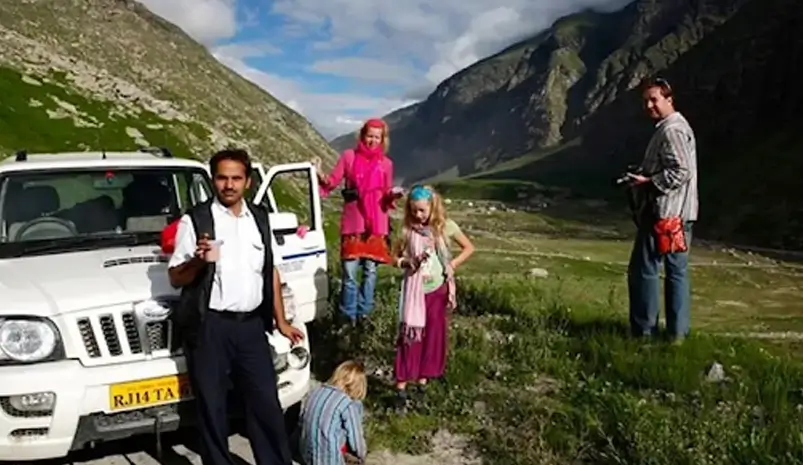
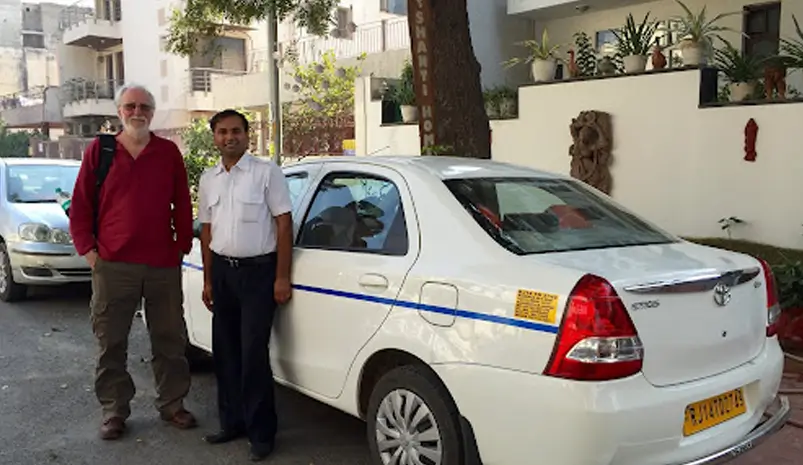
Transportation within Ladakh is also unique. Self-driving is not allowed for foreign tourists in most cases, so hiring a private car with driver in Ladakh becomes essential. Due to terrain and fuel availability, vehicle costs are higher than in cities.
Weather and season also influence cost. Ladakh is accessible only during specific months, which creates a concentrated travel period. This increases demand for hotels, vehicles, and flights, impacting overall pricing.
Understanding these factors is crucial for planning a realistic Ladakh travel budget for international tourists. This is not a low-cost destination, but with proper planning, it offers a unique experience that justifies the investment.
Explore breathtaking landscapes, serene monasteries, crystal-clear lakes, and high mountain passes in Leh Ladakh. Let our travel experts create a personalized itinerary for an unforgettable Himalayan adventure.
Flights are one of the biggest cost components when planning a Ladakh trip. Since Leh is located in a remote region, there are no direct international flights. Travelers must first reach major Indian cities such as Delhi and then take a domestic flight to Leh. This makes the Leh Ladakh flight cost for foreign tourists an important part of the budget.
Flights from Delhi to Leh typically range between 80 to 200 USD one way, depending on booking time and demand. Prices tend to increase during peak travel periods, so booking in advance is highly recommended. Early morning flights are usually preferred because weather conditions in the mountains can affect flight schedules later in the day.
International travelers must also consider their arrival schedule in India. Staying one night in Delhi before flying to Leh is often recommended to avoid delays and manage fatigue. This adds an extra layer to the India to Ladakh travel plan.
Upon arrival in Leh, travelers need time to adjust to the altitude. The first day is usually reserved for rest and acclimatization, which is essential to avoid health issues. This means that even before starting sightseeing, hotel and food costs begin to accumulate.
Return flights follow a similar pricing structure, and flexibility in travel dates can help reduce costs. Some travelers choose to combine flights with road journeys for a varied experience, but this requires more time and careful planning.
The total Leh Ladakh flight budget can range between 200 to 500 USD per person for round trips within India. When combined with international flights, this becomes a significant part of the overall travel cost.
Proper planning of flights not only helps manage expenses but also ensures a smoother start to the journey. Timing, availability, and flexibility all play a role in optimizing this part of the budget.
Accommodation in Ladakh is unlike typical city hotels. The region offers a mix of standard hotels, boutique stays, and camps, each providing a different experience. The Leh Ladakh accommodation cost for foreign tourists depends on the type of stay and location.
In Leh town, mid-range hotels typically cost between 60 to 120 USD per night. These hotels provide basic comfort, clean rooms, and essential facilities. While not as luxurious as city hotels, they are well-suited for the environment and offer reliable service.
Boutique properties and premium hotels range between 150 to 300 USD per night. These accommodations focus on better interiors, scenic views, and enhanced comfort. They are popular among travelers who want a slightly elevated experience without going into full luxury pricing.
In areas like Nubra Valley and Pangong Lake, accommodation shifts to camps or guesthouses. These stays are designed to handle the remote environment and offer a unique experience. A Ladakh camp stay cost typically ranges between 80 to 200 USD per night, including meals.
It is important to note that luxury options are limited in these regions. Even higher-priced accommodations focus more on experience than luxury facilities. This is due to logistical challenges and environmental restrictions.
Staying in different types of accommodations adds variety to the trip. Combining hotels in Leh with camps in remote areas creates a balanced experience. This approach is commonly used in a Leh Ladakh tour package for foreigners.
Booking in advance is essential, especially during peak travel periods. Availability can be limited, and last-minute bookings may result in higher costs or fewer options.
Understanding accommodation costs helps travelers plan effectively and choose options that match their comfort level and budget.
Journey through dramatic mountain landscapes, ancient monasteries, and pristine valleys in the heart of the Himalayas. Whether you're seeking adventure or tranquility, our tailor-made Ladakh tours promise an extraordinary travel experience.
Transportation within Ladakh is one of the most important aspects of the trip. Due to terrain and regulations, foreign tourists rely on local vehicles with experienced drivers. The Leh Ladakh transport cost for foreign tourists is higher compared to regular city travel but essential for safety and convenience.
A private SUV is the most common option. Daily vehicle costs typically range between 70 to 120 USD depending on the route and duration. Longer journeys to places like Pangong Lake or Nubra Valley increase fuel consumption, which affects pricing.
Drivers in Ladakh are highly experienced and familiar with mountain conditions. This expertise is crucial for safe travel, especially on high-altitude roads. A private car tour in Ladakh ensures that the journey remains smooth and well-managed.
Permits are another mandatory expense. Foreign travelers must obtain permits to visit restricted areas. These permits usually cost between 20 to 50 USD depending on the number of locations included. The process is handled through local authorities or tour operators.
Fuel availability and road conditions also influence transport costs. Remote areas require careful planning, and drivers often carry additional fuel. This logistical effort is reflected in the overall pricing.
Daily travel distances can be long, but the experience is unique. Scenic routes, mountain passes, and remote landscapes make the journey itself a highlight of the trip. A well-planned Ladakh road travel itinerary ensures that travel remains comfortable and enjoyable.
Combining transport and permit costs, travelers can expect to spend around 100 to 180 USD per day for vehicle and related expenses. Sharing this cost among travelers reduces the per-person expense.
Combining all elements provides a clear picture of the Leh Ladakh tour cost for foreign tourists. This includes flights, accommodation, transport, permits, meals, and additional expenses.
For a mid-range travel style, the daily cost typically ranges between 150 to 300 USD per person. This includes comfortable hotels, private transport, and basic sightseeing. Luxury options can increase this range significantly.
Flights remain a separate cost, usually between 200 to 500 USD for domestic travel. International flights add to the overall budget depending on origin.
Food expenses in Ladakh are moderate, ranging between 15 to 30 USD per day per person. Most camps include meals, which helps manage daily costs.
Permits and entry fees are relatively small but essential. These costs are usually included in the overall budget planning.
A complete Leh Ladakh tour package cost for foreigners for a 7 to 10 day trip typically ranges between 1200 to 2500 USD per person for mid-range travel. Luxury experiences can go beyond this depending on accommodation and services.
Understanding this breakdown helps travelers plan realistically and avoid unexpected expenses. Ladakh is not a budget destination, but it offers a unique experience that justifies the cost.
Post By :- Admin On | 02 Jun 2026
Yes, permits are required for visiting certain areas such as Nubra Valley and Pangong Lake. These permits are mandatory and usually cost between 20 to 50 USD.
Ladakh is located in a remote high-altitude region where transportation, accommodation, and logistics are more complex. Limited infrastructure and seasonal accessibility increase overall costs, making it more expensive than typical destinations.
A mid-range budget typically ranges between 150 to 300 USD per day per person, including accommodation, transport, and meals. Luxury travel can increase this range significantly.
? Yes, private cars with local drivers are essential for safe travel. Self-driving is generally not allowed for foreign tourists in most areas.
Flights from Delhi to Leh typically cost between 80 to 200 USD one way. Booking in advance helps secure better prices.
Luxury options are limited, but premium boutique hotels and camps are available. These focus more on experience than traditional luxury.
A duration of 7 to 10 days is ideal to allow proper acclimatization and comfortable exploration of key destinations.
Food is moderately priced, with daily expenses ranging between 15 to 30 USD per person. Many accommodations include meals.
No, the region is accessible only during specific months due to weather conditions. Planning during the open season is essential.
Yes, Ladakh offers a unique landscape and travel experience that is unlike any other destination in India, making it worth the investment.