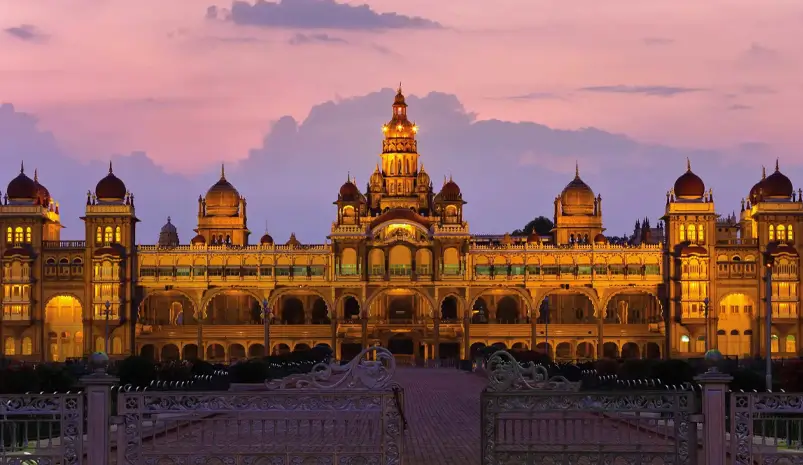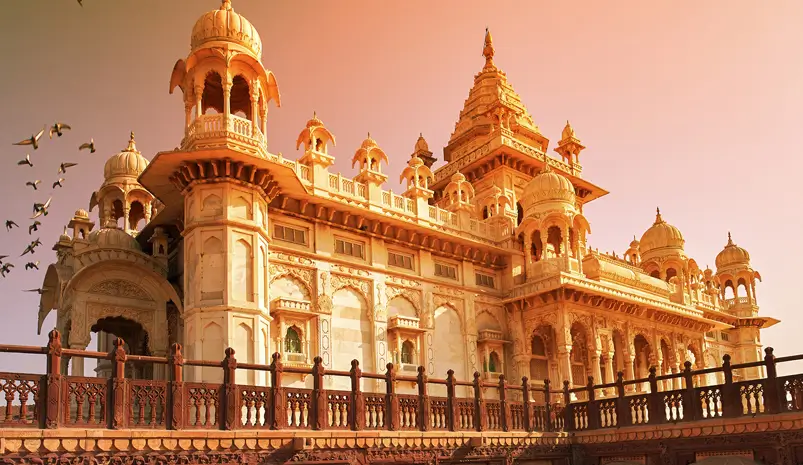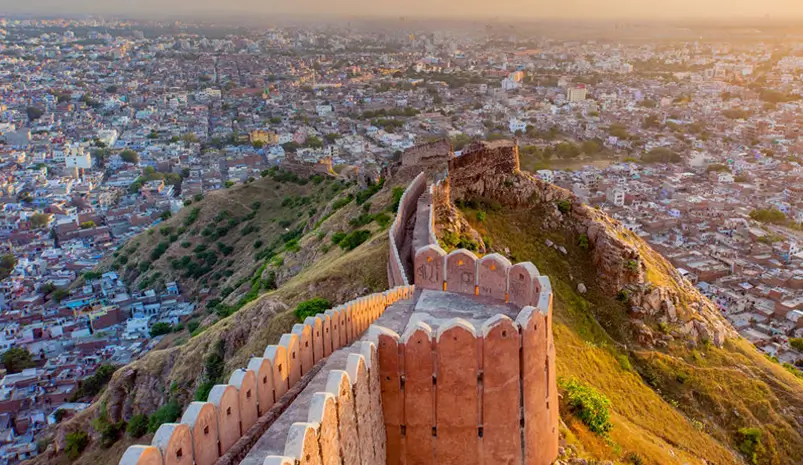



India is one of the most culturally and historically rich countries in the world. Across its vast landscape lie ancient temples, majestic forts, historic cities, sacred monuments and remarkable natural reserves that represent thousands of years of human civilization and natural heritage. Many of these extraordinary places have been recognized globally and protected under the prestigious designation of UNESCO World Heritage Sites in India.
UNESCO identifies cultural and natural sites that are considered valuable to humanity as a whole. These locations represent outstanding examples of architecture, cultural traditions, ecological importance and historical significance. India is home to a large number of such sites that showcase the country’s diversity, creativity and deep historical roots.
For travelers visiting the country, exploring UNESCO heritage sites in India offers a journey through different eras of history and across diverse landscapes. From Mughal architecture in northern India to ancient temples in the south and wildlife sanctuaries in central India, these sites reveal the cultural and environmental richness that defines the nation.
This comprehensive guide introduces some of the most remarkable UNESCO World Heritage monuments and natural sites in India, helping travelers understand their significance while planning unforgettable journeys through the country.
The UNESCO World Heritage program was established to protect and celebrate locations that hold exceptional cultural or natural value for humanity. Sites selected under this program must meet strict criteria demonstrating their historical importance, architectural brilliance, cultural influence or environmental significance.
India’s heritage sites fall into two main categories: cultural sites and natural sites. Cultural heritage locations include monuments, temples, forts and archaeological remains that illustrate the country’s long history of civilization and artistic achievement. Natural heritage sites protect landscapes, forests and wildlife habitats that are considered ecologically important.
Recognition as a UNESCO World Heritage Site in India not only helps preserve these places but also encourages sustainable tourism that allows visitors to appreciate them responsibly.
Travelers exploring these locations often gain deeper insights into the historical events, architectural innovations and cultural traditions that shaped Indian civilization.
From architectural masterpieces to national parks, India’s UNESCO sites showcase a blend of history, art, and biodiversity recognized worldwide.
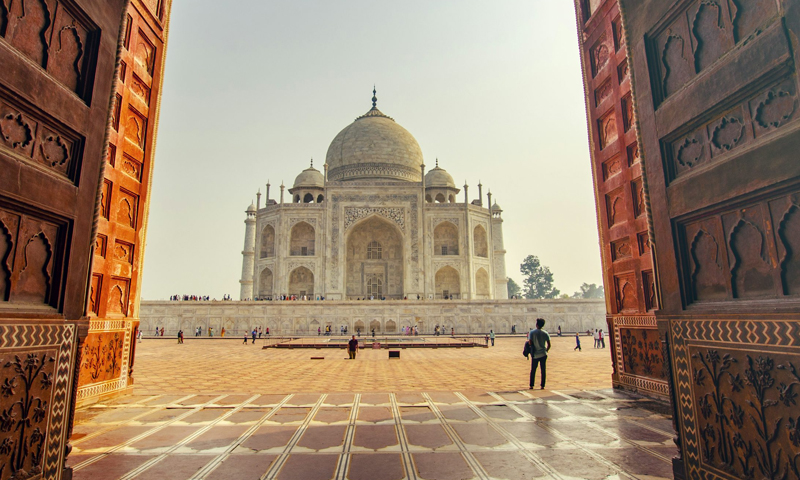
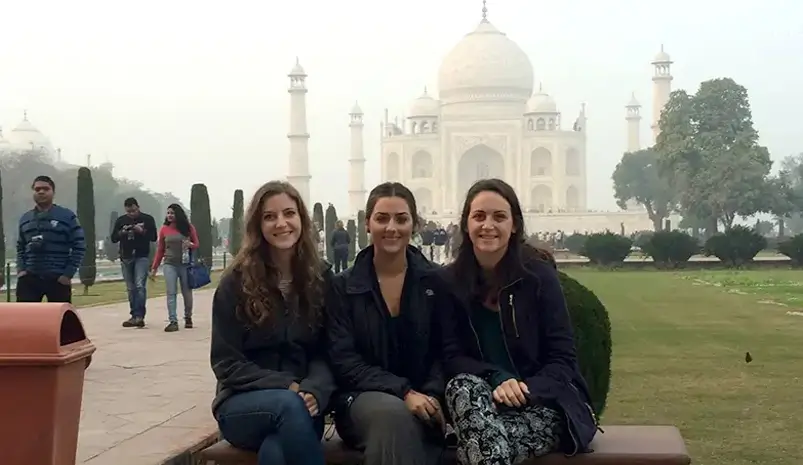
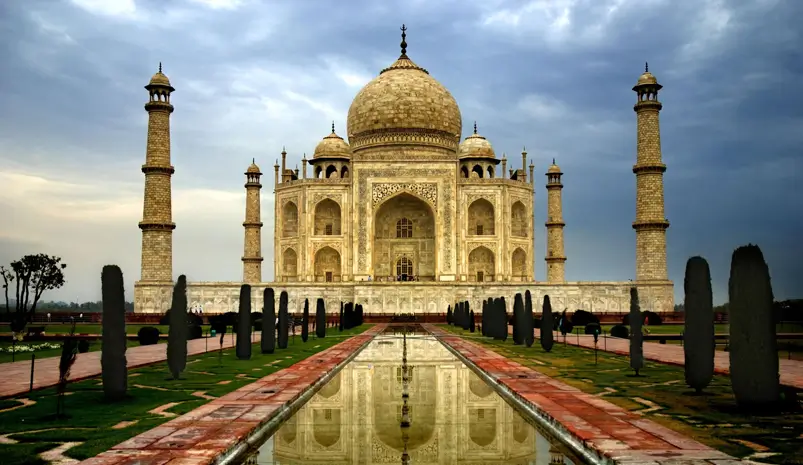
Chat On WhatsApp Contact UsOne of the most famous UNESCO World Heritage monuments in India is the Taj Mahal in the city of Agra. Built during the Mughal era, this magnificent marble mausoleum is widely regarded as one of the greatest architectural achievements in human history.
The Taj Mahal was commissioned by Emperor Shah Jahan as a tribute to his beloved wife Mumtaz Mahal. Its design combines Persian, Islamic and Indian architectural styles to create a structure of extraordinary beauty and symmetry.
Visitors approaching the monument are often struck by the elegance of its white marble surfaces, intricate carvings and perfectly balanced gardens. The changing colors of the marble throughout the day create different visual experiences as sunlight shifts across the monument.
Exploring the Taj Mahal UNESCO heritage site provides travelers with an opportunity to appreciate the artistic brilliance and emotional symbolism that define this extraordinary monument.
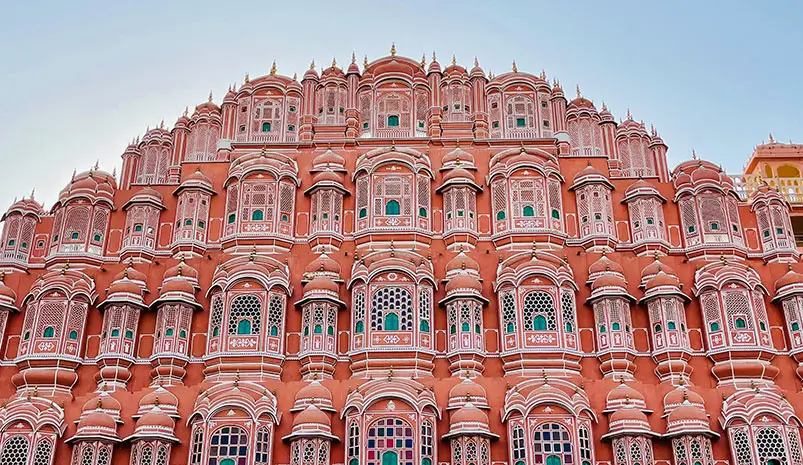
The historic city of Jaipur represents another remarkable UNESCO World Heritage Site in India. Known as the Pink City, Jaipur was founded in the eighteenth century as a planned urban center combining traditional Indian architecture with innovative city design.
The city’s streets were laid out in a grid pattern that was highly advanced for its time. Markets, temples and residential neighborhoods were carefully integrated into the city’s design, creating a harmonious urban environment.
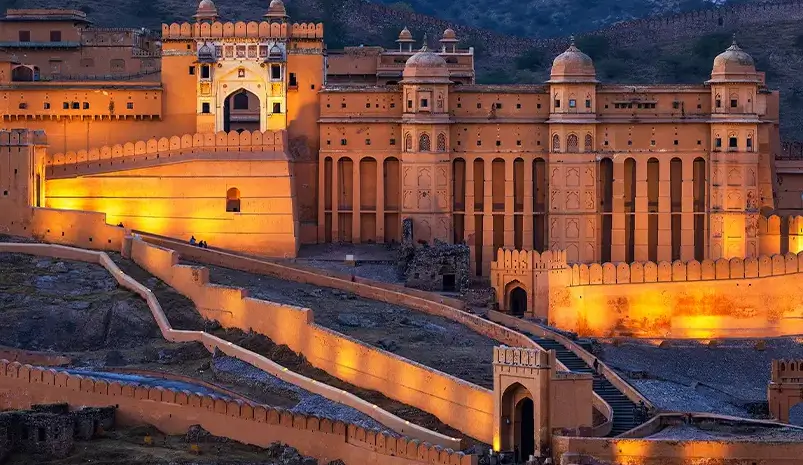
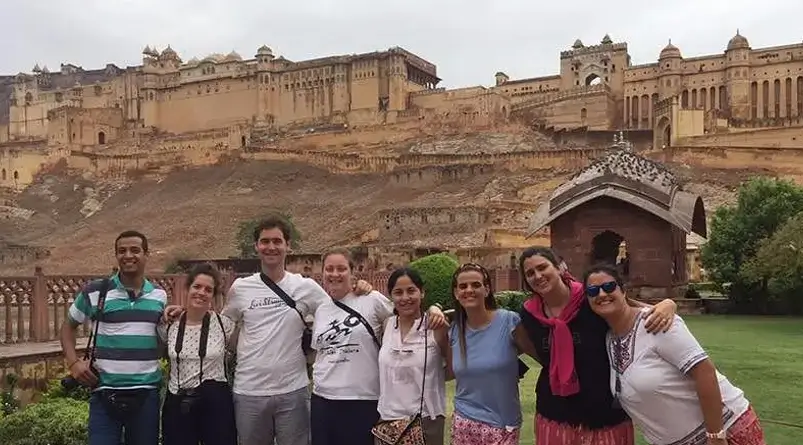
Jaipur is home to several iconic landmarks including the Amber Fort, City Palace and the Hawa Mahal. These structures reflect the architectural traditions of Rajasthan’s royal dynasties and showcase intricate carvings, colorful facades and elaborate courtyards.
Visitors exploring the historic city of Jaipur UNESCO site can experience the grandeur of Rajasthan’s royal heritage while wandering through bustling bazaars and historic neighborhoods.
Located in the central Indian state of Madhya Pradesh, the Khajuraho Group of Monuments represents one of the most extraordinary examples of ancient temple architecture.
These temples were built by the Chandela dynasty and are renowned for their detailed stone carvings that depict scenes from mythology, daily life and spiritual traditions.
The temples demonstrate remarkable architectural precision and artistic expression. Sculptures carved into the temple walls illustrate stories from ancient texts while also portraying aspects of medieval society.
Despite being centuries old, the temples remain in excellent condition and continue to attract travelers interested in India’s ancient artistic heritage.
Exploring the Khajuraho UNESCO World Heritage temples offers a fascinating glimpse into the cultural creativity of early Indian civilization.
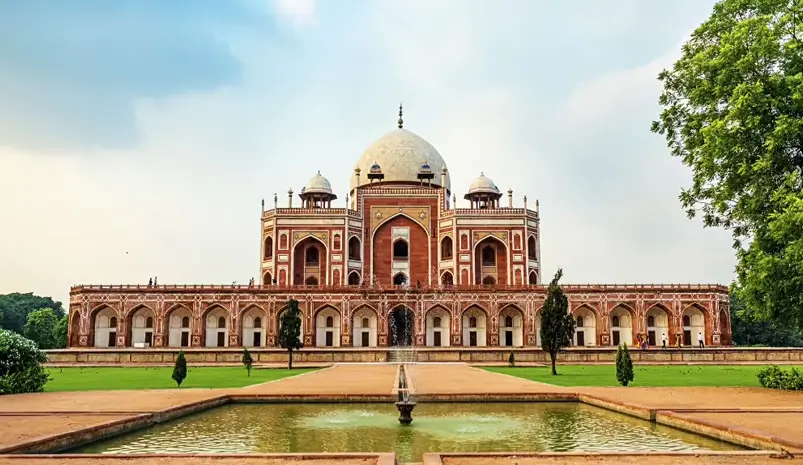
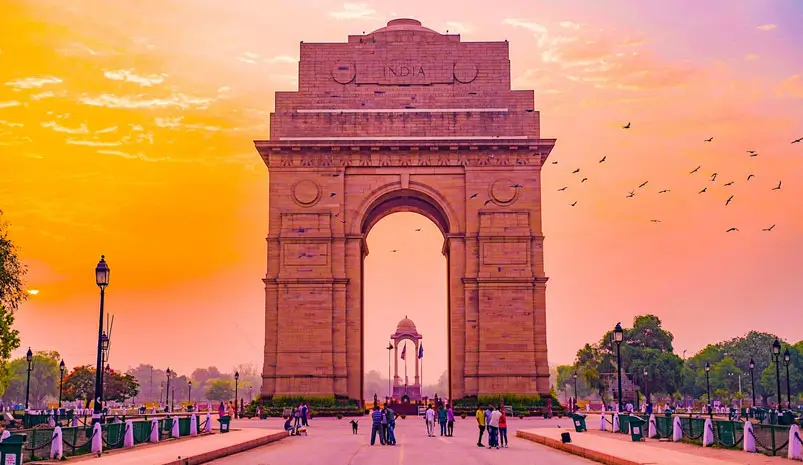
Delhi, India’s capital city, is home to several historic landmarks, including the Qutub Minar complex, one of the earliest Islamic architectural sites in the region.
The towering Qutub Minar is an impressive minaret built from red sandstone and decorated with intricate carvings and inscriptions. Its height and architectural elegance make it one of the most recognizable monuments in Delhi.
Surrounding the tower are several historic structures including mosques and ancient pillars that illustrate the architectural evolution of the region.
The site reflects the cultural interactions that shaped medieval India, where different artistic and architectural traditions blended to create unique monuments.
Visiting the Qutub Minar UNESCO heritage site allows travelers to explore an important chapter of India’s historical transformation.
Not all UNESCO heritage sites in India are cultural monuments. The country is also home to remarkable natural environments that have received global recognition.
One such location is Kaziranga National Park in the northeastern state of Assam. This park is internationally famous for its population of one-horned rhinoceroses, which are protected within its grasslands and wetlands.
Kaziranga supports a diverse ecosystem that includes elephants, wild buffalo, deer and numerous bird species. The park’s landscape of rivers, forests and open grasslands creates ideal habitats for wildlife.
Visitors exploring the Kaziranga UNESCO natural heritage site can participate in guided safaris that offer opportunities to observe animals in their natural environment.
The park demonstrates the importance of conservation efforts that protect endangered species and preserve ecological balance.
Plan your journey today and experience some of the world’s most remarkable heritage sites—recognized globally for their cultural and natural significance.
Chat On WhatsApp Contact UsAmong India’s most remarkable archaeological sites are the Ajanta and Ellora caves, located in the western state of Maharashtra. These caves represent extraordinary examples of rock-cut architecture and religious art.
The caves were carved directly into cliffs and served as monasteries, temples and meditation halls for ancient religious communities. Their walls and ceilings are decorated with intricate sculptures and paintings that depict stories from Buddhist, Hindu and Jain traditions.
Ajanta is particularly famous for its ancient murals that illustrate scenes from the life of Buddha. Ellora, on the other hand, features massive temple complexes carved from solid rock.
Exploring the Ajanta and Ellora UNESCO heritage caves allows travelers to witness the remarkable craftsmanship and devotion that shaped these spiritual centers centuries ago.
Another important UNESCO natural heritage site in India is the Sundarbans National Park, located in the delta region where major rivers meet the Bay of Bengal.
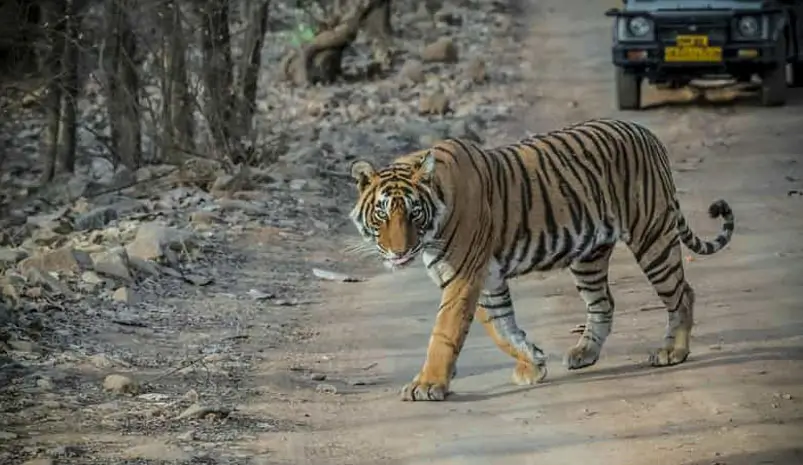
The Sundarbans is known for its vast mangrove forests and complex network of waterways. This unique ecosystem supports a wide variety of wildlife, including the famous Bengal tiger.
The region’s tidal rivers and dense vegetation create a landscape that is both mysterious and biologically rich. Boat safaris allow visitors to explore the waterways while observing birds, reptiles and other wildlife.
The Sundarbans UNESCO biosphere reserve demonstrates the ecological importance of preserving fragile habitats that support biodiversity.
Travelers interested in exploring UNESCO World Heritage Sites in India often combine several destinations into a single itinerary. Many heritage monuments are located within well-known travel circuits that allow visitors to experience multiple historical locations during one journey.
For example, travelers visiting the Taj Mahal in Agra often continue to Jaipur and Delhi as part of the famous Golden Triangle route. Others explore central India to see the temples of Khajuraho and nearby wildlife reserves.
Planning such journeys can be easier with the assistance of experienced travel planners who understand the logistics of traveling between heritage destinations.
Visitors wishing to explore UNESCO heritage tours in India can contact Mr. Bhagwan Soni at INDIA WORLD WIDE TRAVEL on +91-9413901196 or email info@indiaworldwidetravel.com for customized travel itineraries and private guided tours.
India’s UNESCO heritage sites represent a remarkable journey through human history, cultural creativity and natural beauty. These locations illustrate how civilizations have evolved over centuries while preserving traditions that continue to inspire the world.
For travelers, visiting India’s UNESCO World Heritage monuments and natural sites offers an opportunity to explore architectural masterpieces, ancient spiritual centers and breathtaking landscapes.
Each heritage site tells a unique story about the people who built it, the traditions it represents and the environment that surrounds it. Experiencing these places firsthand allows visitors to connect with the extraordinary legacy that makes India one of the most culturally significant countries on Earth.
Post By :- Admin On | 08 Apr 2026
Travelers can contact Mr. Bhagwan Soni at INDIA WORLD WIDE TRAVEL via +91-9413901196 or info@indiaworldwidetravel.com for customized travel planning.
Yes, these locations are protected to preserve their cultural and environmental value.
The Taj Mahal and Jaipur’s historic city are part of this travel circuit.
Most heritage sites are open to visitors with appropriate conservation measures.
They preserve locations that have exceptional cultural or natural significance.
Yes, places like Kaziranga National Park and Sundarbans National Park are natural heritage sites.
The historic city of Jaipur is one of the UNESCO-listed heritage cities.
The Taj Mahal is the most internationally recognized heritage monument.
India has many recognized UNESCO World Heritage Sites including cultural monuments and natural parks.
They are famous for rock-cut temples and ancient murals.