


India is globally known as the land of spices, where flavors are not just part of food but an essential element of culture, trade, and history. For centuries, spices from India have influenced global cuisine and attracted travelers, traders, and explorers from across the world. Even today, exploring Indian spice markets offers a powerful sensory experience that connects travelers to the country’s culinary and cultural roots.
For international visitors, especially from the USA, UK, and Europe, spice markets provide a unique perspective that goes far beyond traditional sightseeing. These markets are not simply places where spices are bought and sold; they are vibrant spaces where history, commerce, and everyday life intersect. Walking through a spice market means experiencing colors, aromas, and interactions that reflect the richness of India’s heritage.
A well-planned spice market tour in India allows travelers to explore these environments comfortably while gaining insight into how spices are sourced, processed, and used in Indian cooking. With the right guidance, these experiences become educational, immersive, and deeply memorable.
Delhi is home to Khari Baoli, the largest spice market in Asia and one of the most intense and fascinating markets in India. Located in Old Delhi near Chandni Chowk, this market offers a raw and authentic experience where the energy of trade is constantly visible. Exploring Khari Baoli spice market Delhi provides an introduction to India’s spice culture at its most vibrant level.
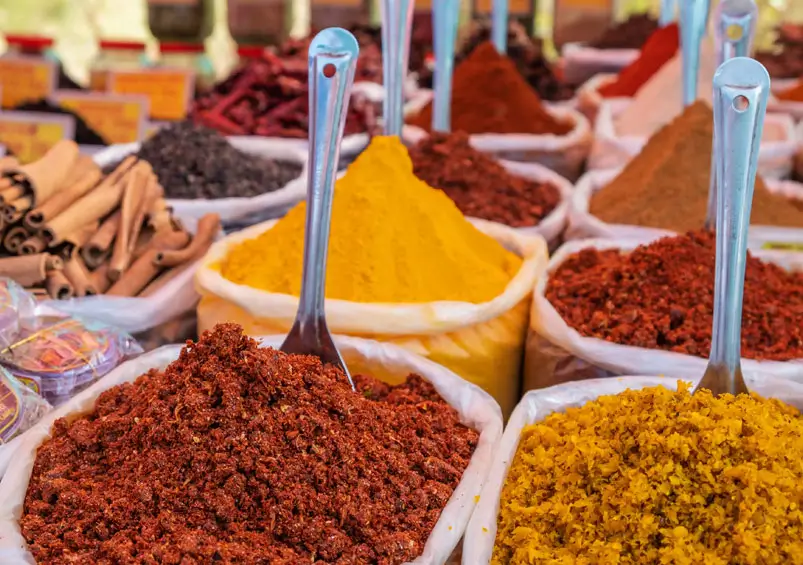
As travelers enter the market, they are immediately surrounded by stacks of spices in every possible color and form. Sacks of turmeric, red chili, cardamom, cinnamon, and cloves create a visual landscape that feels both overwhelming and captivating. The air is filled with strong aromas, making the experience not just visual but deeply sensory.
Walking through Khari Baoli also reveals how spices are handled and traded in bulk. Traders, workers, and buyers interact continuously, creating a fast-paced environment that reflects the importance of spices in Indian commerce. Observing these interactions provides insight into the scale and significance of the spice trade.
For travelers, navigating this market independently can be challenging, which is why guided experiences are highly recommended. A curated Old Delhi spice market tour ensures that visitors can explore safely while understanding the history and function of the market. This transforms the visit from a chaotic walk into a structured and informative journey.
Walk through bustling spice bazaars filled with the fragrance of fresh masalas and traditional blends.
Kochi in Kerala offers a completely different spice market experience, shaped by its history as a major trading port. Unlike the intensity of Delhi, Kochi’s spice markets are more relaxed, allowing travelers to explore at a comfortable pace. Visiting Kochi spice markets India provides insight into how spices influenced global trade routes and cultural exchanges.
The spice markets in Kochi, particularly in the Mattancherry area, reflect centuries of trade with European, Arab, and Asian merchants. Walking through these markets reveals a variety of spices such as black pepper, cardamom, nutmeg, and cloves, all of which are sourced from the surrounding regions.
One of the most interesting aspects of Kochi’s spice markets is the connection between the market and the plantations. Travelers can often combine market visits with trips to spice plantations, where they can see how spices are grown and harvested. This creates a complete spice journey experience in Kerala, from farm to market.
Luxury travelers can enhance this experience by staying in heritage properties such as Brunton Boatyard or Taj Malabar Resort & Spa, which offer curated tours and personalized experiences. These arrangements ensure that the journey remains comfortable while providing deep cultural insights.
Jaipur offers a spice market experience that is closely tied to everyday cooking and local traditions. Unlike large-scale wholesale markets, Jaipur’s spice bazaars are more accessible and easier to navigate, making them ideal for first-time visitors. Exploring Jaipur spice market experience allows travelers to understand how spices are used in daily life.
Markets such as Johari Bazaar and local food markets include sections where spices are sold in smaller quantities. These markets provide an opportunity to interact with vendors, learn about different spice blends, and understand their role in Rajasthani cuisine.
The connection between spices and cooking is particularly evident in Jaipur, where travelers can combine market visits with cooking classes. These experiences allow visitors to see how spices are used in traditional recipes, creating a deeper understanding of their importance.
Luxury experiences often include private guided tours of markets followed by curated dining or cooking sessions in heritage properties. This creates a seamless culinary and spice experience in Jaipur, combining learning with comfort.
Mumbai’s spice markets offer a blend of traditional trade and modern urban culture. Crawford Market, one of the city’s most well-known markets, includes sections dedicated to spices and ingredients. Exploring Mumbai spice market experience provides insight into how spices are integrated into a fast-paced urban environment.
The market is more organized compared to older bazaars, making it easier for travelers to navigate. The variety of spices available reflects the city’s diversity, with influences from different regions of India. This creates a unique environment where multiple culinary traditions come together.
In addition to spices, the market includes fresh produce, dry fruits, and imported goods, providing a comprehensive view of Mumbai’s food culture. Guided tours help travelers understand the significance of different ingredients and how they are used in local cuisine.
For those seeking a modern spice market experience in India, Mumbai offers a balanced and accessible option.
Dive into India’s most iconic spice markets, where history, trade, and flavor come alive. From ancient trading hubs to colorful local bazaars.
Spices in India are not just ingredients; they are an essential part of cultural identity and daily life. Each spice has its own role, flavor, and significance, contributing to the complexity of Indian cuisine. Understanding Indian spices for travelers helps in appreciating their importance beyond cooking.
Turmeric, for example, is used not only as a spice but also in traditional medicine and rituals. Cardamom and cinnamon add aroma and sweetness, while chili provides heat and intensity. The combination of these spices creates the layered flavors that define Indian food.
Learning about spices also involves understanding how they are blended. Spice mixes such as garam masala are carefully prepared to achieve a balance of flavors, reflecting regional preferences and traditions.
Designing a spice market travel itinerary in India involves selecting cities that offer diverse experiences. Combining destinations such as Delhi, Kochi, Jaipur, and Mumbai creates a comprehensive journey that covers different aspects of the spice trade.
Planning should include guided tours, market visits, and culinary experiences to ensure a balanced itinerary. Working with a local expert helps in organizing these activities efficiently.
If you are planning to explore Indian spice markets with curated experiences and guided tours, you can connect with a trusted travel expert.
He can help you design a personalized itinerary that includes the best spice market experiences, ensuring comfort, authenticity, and a seamless journey.
Spice markets provide one of the most immersive ways to understand India’s culture and history. By exploring these vibrant spaces, travelers can connect with traditions that have shaped the country for centuries.
From the intensity of Delhi to the heritage of Kochi and the accessibility of Jaipur, each market offers a unique perspective. With proper planning and guidance, visiting spice markets becomes an essential part of a meaningful travel experience.
Post By :- Admin On | 21 Mar 2026
Khari Baoli Delhi, Kochi markets, Jaipur bazaars, and Crawford Market Mumbai are top choices.
Its scale, variety, and historical importance in spice trade.
Yes, Kerala offers both plantation and market visits.
Yes, with guided tours and proper planning.
Turmeric, cardamom, cinnamon, cloves, and chili are common.
Yes, especially in cities like Jaipur and Kochi.
By choosing guided tours and visiting at suitable times.
Yes, they can be curated with private guides.
They are essential for flavor, tradition, and rituals.
A local expert can design a tailored itinerary.