


India is not just a destination to explore visually; it is a country to be experienced through its flavors. Food in India is deeply connected to its culture, traditions, and regional diversity, making it one of the most exciting culinary destinations in the world. For first-time visitors, navigating the country’s vast and varied cuisine can feel overwhelming, but it also presents an opportunity to discover a rich and immersive aspect of Indian life. A well-planned Indian food travel experience allows travelers to explore authentic flavors while maintaining comfort and confidence.
For international travelers from the USA, UK, and Europe, Indian cuisine often comes with curiosity and questions. The diversity of dishes, use of spices, and regional variations can be unfamiliar, but understanding the basics makes the experience enjoyable and rewarding. From street food to fine dining, India offers a wide range of options that cater to different preferences and comfort levels.
The key to enjoying food in India lies in balance and awareness. Choosing the right places to eat, understanding local dishes, and approaching the experience gradually ensures that travelers can explore the cuisine without concerns. A carefully curated culinary travel experience in India transforms food into one of the highlights of the journey.
Indian cuisine is not a single unified style but a collection of regional traditions that vary significantly across the country. Each region has its own ingredients, cooking methods, and flavor profiles, creating a diverse culinary landscape. Understanding regional Indian cuisine is essential for first-time visitors who want to explore the country’s food in a structured way.
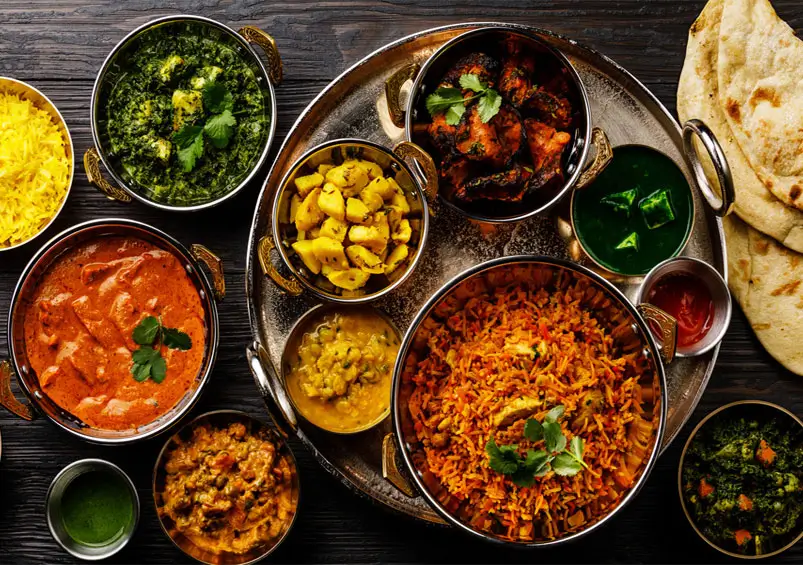
North Indian cuisine is known for its rich and flavorful dishes, including curries, breads such as naan and roti, and a variety of vegetarian and non-vegetarian options. Popular dishes such as butter chicken, paneer tikka, and dal makhani are widely available and provide a good introduction to Indian flavors.
South Indian cuisine, on the other hand, focuses on lighter and more fermented dishes such as dosa, idli, and sambar. These dishes are often served with coconut-based chutneys and offer a completely different taste profile compared to northern dishes.
Western and eastern regions of India also offer unique cuisines, including seafood-based dishes in coastal areas and rice-based meals in the east. Exploring these variations allows travelers to experience the full spectrum of authentic Indian food experiences.
Explore India’s rich and diverse cuisine with a mix of aromatic spices, regional dishes, and vibrant flavors.
For travelers new to Indian cuisine, starting with well-known and widely loved dishes provides a comfortable entry point. These dishes represent the essence of Indian flavors while being accessible and enjoyable.
Butter chicken, biryani, and paneer dishes are among the most popular choices for international visitors. These dishes offer a balance of spices and flavors that are rich but not overwhelming. Trying must-try Indian dishes for tourists allows travelers to build familiarity with the cuisine.
Street food such as chaat, samosas, and kachori provides a more local experience, offering a glimpse into everyday food culture. However, it is important to choose clean and well-reputed vendors to ensure safety.
Desserts such as gulab jamun, jalebi, and rasmalai add a sweet dimension to the culinary journey, showcasing the diversity of Indian sweets.
Choosing the right place to eat is one of the most important aspects of enjoying food in India. The country offers a wide range of dining options, from luxury restaurants to local eateries and street food stalls. Understanding where to eat in India for travelers helps in creating a safe and enjoyable experience.
Luxury hotels and fine dining restaurants provide a controlled environment where travelers can explore Indian cuisine with confidence. These establishments often offer curated menus that include a variety of regional dishes, allowing guests to sample different flavors.
Mid-range restaurants and cafes offer a balance between authenticity and comfort, making them a popular choice for travelers. These places provide local dishes in a clean and organized setting.
Street food is an integral part of Indian culture, offering unique flavors and experiences. While it is worth exploring, travelers should choose vendors with high turnover and good hygiene practices to ensure safety.
Spices are a defining element of Indian cuisine, contributing to its distinct flavors and aromas. However, for first-time visitors, the intensity of spices can be unfamiliar. Understanding Indian spices for travelers helps in managing expectations and enjoying the food.
Indian dishes are not always spicy in terms of heat; they are often complex in flavor due to the combination of different spices. Travelers can request dishes to be prepared with less spice, especially in restaurants that cater to international guests.
Starting with milder dishes and gradually exploring more complex flavors allows travelers to adjust comfortably. This approach ensures that the experience remains enjoyable rather than overwhelming.
Food safety is an important consideration for travelers, especially those who are new to Indian cuisine. Following basic guidelines ensures that the culinary experience remains positive. Understanding food safety tips in India for tourists helps in avoiding common issues.
Drinking bottled or filtered water is recommended, and travelers should avoid ice in places where water quality is uncertain. Eating freshly prepared food and avoiding raw or uncooked items reduces the risk of contamination.
Choosing reputable restaurants and avoiding overly crowded or unhygienic places ensures a safer experience. Carrying basic medication for digestive issues can also be helpful.
With proper precautions, travelers can enjoy the richness of Indian cuisine without concerns, making food an integral part of their journey.
Discover the essentials of Indian food with a variety of flavorful dishes, spices, and regional specialties.
Food in India is not limited to restaurants; it extends to experiences such as cooking classes, market visits, and dining with local families. Participating in a food and cultural experience in India allows travelers to engage with the cuisine in a more personal way.
Cooking classes provide an opportunity to learn about ingredients, techniques, and recipes, creating a deeper understanding of Indian food. Market visits offer insight into how ingredients are sourced and used, adding context to the culinary experience.
Dining with local families provides a unique perspective, allowing travelers to experience traditional meals and hospitality. These interactions create meaningful connections and enhance the overall journey.
Designing a custom food travel itinerary in India involves selecting destinations that offer diverse culinary experiences. Cities such as Delhi, Jaipur, Mumbai, and Kochi provide a range of options, from street food to fine dining.
Combining food experiences with cultural and sightseeing activities creates a balanced itinerary. Working with a local expert helps in identifying the best places to eat and arranging curated experiences.
If you are planning a food-focused journey across India and want curated dining experiences, cooking classes, and guided food tours, you can connect with a trusted travel expert.
He can help you design a personalized itinerary that includes the best culinary experiences, ensuring comfort, safety, and a memorable journey.
Food in India is more than just a necessity; it is a reflection of culture, tradition, and community. By exploring the country’s cuisine with the right approach, travelers can create a journey that is both flavorful and meaningful.
From trying traditional dishes to participating in culinary experiences, every moment adds depth to the travel experience. With careful planning and an open mind, discovering Indian food becomes one of the most rewarding aspects of visiting the country.
Post By :- Admin On | 19 Mar 2026
Butter chicken, biryani, dosa, paneer dishes, and chaat are popular choices
By choosing reputable places, drinking bottled water, and avoiding raw foods.
Delhi, Mumbai, Jaipur, and Kochi offer wide options.
No, spice levels can be adjusted based on preference.
North Indian is rich and creamy, while South Indian is lighter and rice-based.
Yes, by choosing clean and busy vendors.
Yes, India offers a wide variety of vegetarian dishes.
Yes, especially in major cities and tourist areas.
Yes, they are widely available and popular.
A local expert can design a tailored culinary journey.