


India is widely known for its vibrant culture, ancient traditions and colorful celebrations. One of the most remarkable aspects of Indian culture is the extraordinary number of festivals celebrated throughout the year. Festivals in India are not simply holidays or public events; they are deeply rooted cultural traditions that bring communities together through rituals, music, food, dance and spiritual practices.
For international travelers, experiencing Indian festivals offers a unique opportunity to witness the country’s traditions in their most lively and authentic form. Streets come alive with lights, temples host elaborate ceremonies, families gather for celebrations and entire cities transform into cultural spectacles filled with music and color.
Travelers who plan their itinerary around major festivals often discover a completely different side of India. Instead of only visiting monuments and historic sites, they experience the emotional and cultural energy that defines the country’s social life.
This Indian festivals travel guide explores some of the most remarkable celebrations that foreign visitors can experience while traveling across India. Each festival reflects a unique combination of history, religion and community spirit that reveals the rich diversity of Indian culture.
Festivals play a central role in Indian society. Across the country, people celebrate religious events, seasonal harvests, historical traditions and mythological stories through festivals that have been passed down for centuries.
India is home to multiple religions including Hinduism, Islam, Christianity, Sikhism, Buddhism and Jainism. Each of these traditions contributes to the country’s diverse festival calendar. As a result, festivals occur throughout the year in different regions and communities.
During these celebrations, cities and villages transform into vibrant cultural spaces. Homes are decorated with lights, temples host special ceremonies and markets become busy with people buying traditional clothing, sweets and decorative items.
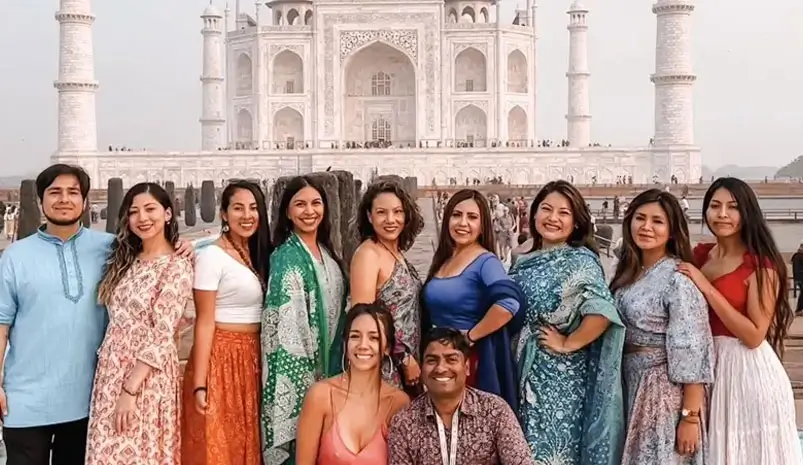
For travelers exploring India, participating in these celebrations provides insight into the values and traditions that shape everyday life in the country. Festivals create opportunities for visitors to interact with local communities, observe traditional rituals and experience the joyful atmosphere that defines Indian celebrations.
Don’t just visit India—experience it. Plan your trip during festival season for unforgettable memories, traditions, and celebrations.
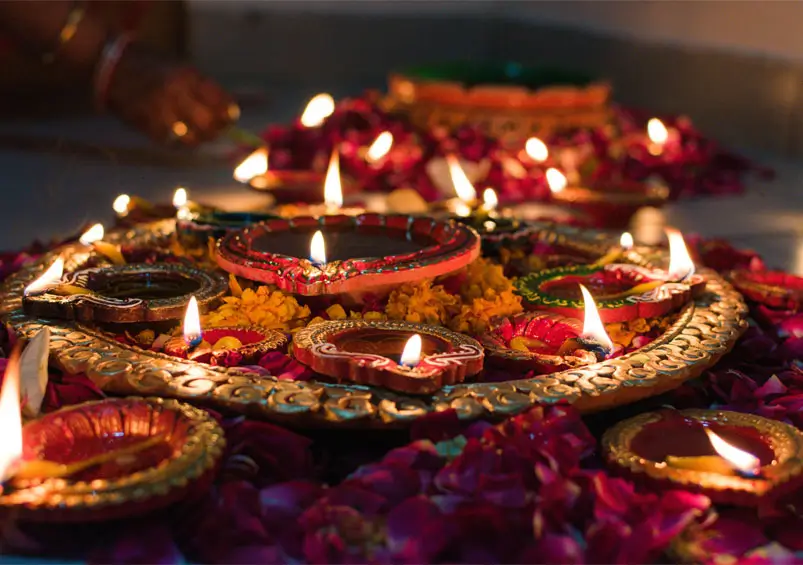
Chat On WhatsApp Contact UsOne of the most famous Indian festivals celebrated across the country is Diwali, often referred to as the Festival of Lights. This celebration symbolizes the triumph of light over darkness and good over evil.
During Diwali, homes, streets and temples are illuminated with thousands of small oil lamps and decorative lights. Families decorate their houses with colorful patterns known as rangoli, which are created using colored powders or flower petals.
Markets become vibrant with shoppers purchasing traditional sweets, decorative lanterns and gifts for friends and family. Fireworks displays light up the night sky, creating a spectacular visual experience in cities across India.
For international travelers, experiencing Diwali celebrations in India offers a magical glimpse into the country’s festive traditions. The warmth of family gatherings, the glow of lamps and the joyful atmosphere create unforgettable memories for visitors.
Another extraordinary celebration that attracts travelers from around the world is Holi, commonly known as the Festival of Colors. Holi marks the arrival of spring and is celebrated with vibrant displays of colored powder and water.
During Holi, people gather in streets, parks and courtyards to throw colored powder into the air and onto each other, creating clouds of bright colors that fill the atmosphere. Music, dancing and laughter accompany the celebrations as communities join together in a joyful expression of unity.
The festival has deep cultural and mythological roots in Hindu traditions, symbolizing renewal, friendship and the victory of good over evil.
Travelers who participate in Holi celebrations in India often describe it as one of the most joyful cultural experiences they have ever encountered. The festival encourages social interaction, breaking down barriers between strangers as everyone becomes part of the colorful celebration.
Certain destinations such as Jaipur, Vrindavan and Delhi are particularly famous for their large Holi festivities, attracting both local residents and international visitors.
In eastern India, particularly in the city of Kolkata, Durga Puja is one of the most significant cultural celebrations of the year. This festival honors the goddess Durga and celebrates the victory of good over evil.
During Durga Puja, elaborate artistic structures known as pandals are constructed throughout the city. These temporary structures house beautifully crafted statues of the goddess Durga and other mythological figures.
Artists and designers spend months creating these installations, which often incorporate creative themes, architectural designs and artistic elements. Visitors walk from one pandal to another, admiring the artistry and cultural symbolism displayed in each structure.
Traditional music, dance performances and community gatherings accompany the festival. Streets remain lively throughout the night as families and friends participate in celebrations.
Experiencing Durga Puja in Kolkata allows travelers to witness one of India’s most elaborate and artistically rich cultural festivals.
Step into a world of colors, lights, and traditions. Festivals offer the most immersive way to experience India’s heritage and local life.
Chat On WhatsApp Contact UsIn the desert state of Rajasthan, the Pushkar Camel Fair offers a completely different festival experience that combines cultural traditions with rural heritage.
The fair takes place in the town of Pushkar and attracts thousands of camel traders, livestock owners and travelers from across India and around the world. The event began as a traditional livestock market but has evolved into a vibrant cultural festival.
Visitors can witness camel trading, traditional music performances, folk dances and colorful cultural competitions. The fairground becomes a lively spectacle where travelers can observe Rajasthan’s desert culture in its most authentic form.
The Pushkar Camel Fair also coincides with a religious pilgrimage to the sacred Pushkar Lake, where pilgrims gather for ritual bathing ceremonies.
For travelers seeking an unusual cultural experience, the Pushkar Camel Fair in Rajasthan provides an unforgettable glimpse into rural Indian traditions.
In the city of Mumbai, one of the most impressive festivals is Ganesh Chaturthi, which celebrates the birth of the elephant-headed deity Ganesha.
During this festival, large artistic statues of Ganesha are installed in homes and public spaces across the city. Devotees gather to offer prayers, sing devotional songs and celebrate with music and dance.
The festival lasts several days, culminating in a grand procession where the statues are carried through the streets and eventually immersed in the sea.
The energy and devotion displayed during Ganesh Chaturthi celebrations in Mumbai create a powerful cultural experience for travelers. The city’s streets fill with music, chanting and festive processions that continue late into the night.
Visitors witnessing this celebration gain insight into the deep spiritual traditions that shape Indian society.
Travelers planning to experience Indian cultural festivals should consider timing their visit carefully. Because festivals follow traditional calendars that vary each year, it is helpful to research dates in advance when planning an itinerary.
Participating in festivals allows travelers to interact with local communities and observe cultural traditions in their most authentic form. However, visitors should also approach these celebrations respectfully, recognizing their religious and cultural significance.
Wearing appropriate clothing, following local customs and respecting sacred rituals ensures a positive experience for both travelers and local participants.
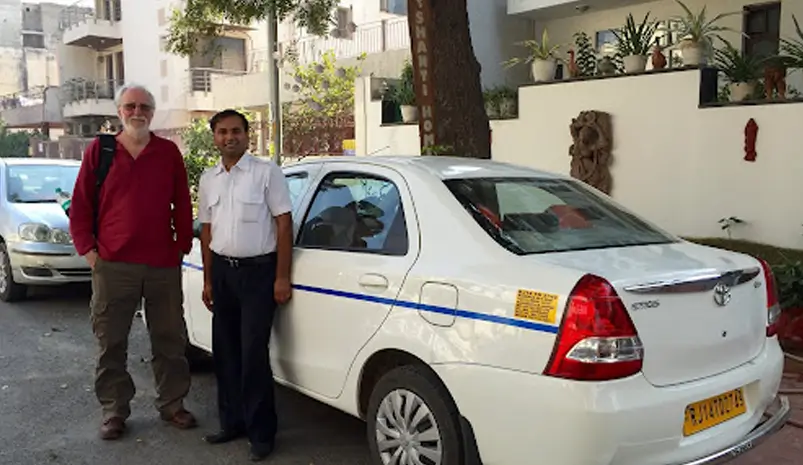
Many travelers prefer exploring festival destinations with a private guide in India, who can explain the cultural meaning of rituals and help visitors navigate crowded festival environments safely.
India’s festivals reveal the country’s cultural soul. They reflect centuries-old traditions, religious beliefs and community values that continue to shape daily life across the nation.
From the glowing lamps of Diwali to the colorful celebrations of Holi and the artistic grandeur of Durga Puja, each festival provides travelers with a deeper understanding of India’s cultural identity.
Experiencing these celebrations allows visitors to move beyond sightseeing and engage with the living traditions that define the country’s heritage.
For travelers seeking authentic cultural experiences, exploring India through its festivals offers one of the most memorable and meaningful ways to understand this remarkable country.
Post By :- Admin On | 06 Apr 2026
Travelers can contact Mr. Bhagwan Soni at INDIA WORLD WIDE TRAVEL via +91-9413901196 or info@indiaworldwidetravel.com for customized festival tours.
Yes, many Indian festivals follow traditional lunar calendars, so dates vary annually.
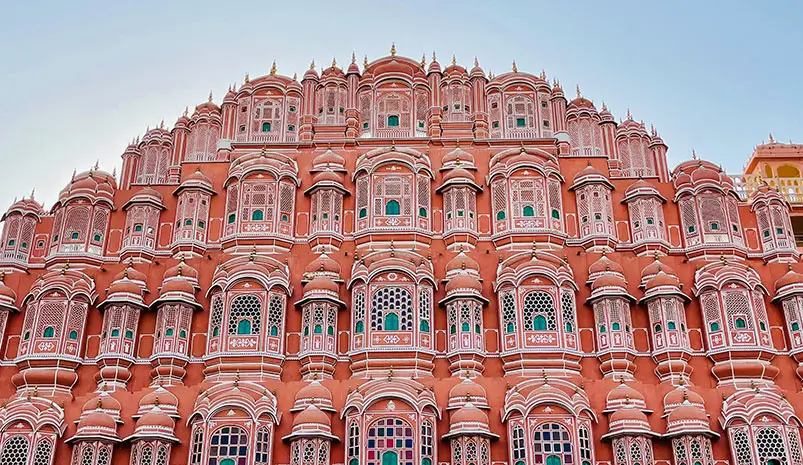
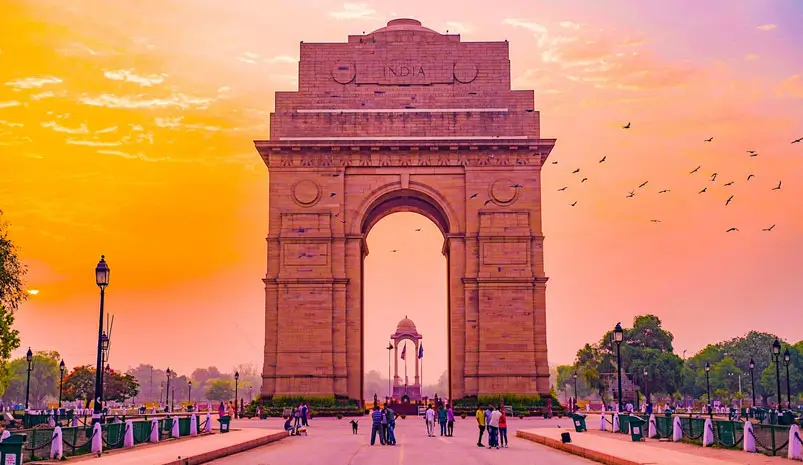
Cities such as Delhi, Jaipur, Mumbai and Kolkata host some of the most spectacular celebrations.
Yes, most festivals are safe and welcoming for visitors when basic precautions are followed.
It is a cultural festival in Rajasthan featuring camel trading, folk music and traditional competitions.
Large statues of Lord Ganesha are worshipped and later immersed in water during grand processions.
Durga Puja is especially famous in Kolkata and the state of West Bengal.
Holi, the Festival of Colors, involves throwing colored powder and celebrating the arrival of spring.
Diwali, known as the Festival of Lights, is one of the most widely celebrated festivals across India.
Travelers are often welcomed to join celebrations respectfully.