


Traveling from Spain to India is not just a change of destination, it is a transition into a completely different travel environment. Spanish travelers often expect a balance of culture, comfort, and exploration, but India requires a more prepared approach to fully enjoy what it offers. A clear understanding through an India travel guide for Spanish tourists ensures that expectations match reality and the journey becomes smoother from the beginning.
India is a country where every region feels different. The architecture in Rajasthan, the spiritual atmosphere in Varanasi, and the relaxed environment in Kerala all create unique travel experiences. Trying to cover all of this in one trip often leads to exhaustion. A well-structured India itinerary for Spanish travelers focuses on selected regions, allowing time to explore without rushing.
One of the key differences Spanish tourists notice is the pace of life. Cities can be busy, traffic conditions are dynamic, and daily routines may feel less structured compared to Spain. Understanding this in advance helps in adjusting expectations and avoiding unnecessary stress. Choosing organized options such as private tours in India for foreigners provides a more controlled and comfortable experience.
Another important aspect is communication. While English is widely used in tourist areas, having a guide or driver improves convenience. This becomes especially helpful when visiting smaller towns or local markets.
Food and climate also differ from Spain. Indian cuisine is diverse and flavorful, but starting with mild options and choosing reliable restaurants ensures a better experience. Climate varies across regions, so planning according to weather conditions improves comfort.
Cultural awareness is essential. Respecting local traditions, dressing appropriately at religious sites, and being mindful of customs enhances the travel experience. A thoughtful Spain to India travel plan considers these aspects to ensure a smooth journey.
Preparation is the foundation of a successful trip. With the right planning, India offers a rich and rewarding experience that goes beyond expectations.
Experience the magic of India through vibrant traditions, architectural marvels, colorful markets, and unforgettable cultural encounters. Our personalized travel experiences ensure every journey is unique and memorable.
For Spanish citizens, traveling to India requires a valid visa, and the process is relatively simple when handled correctly. Most travelers opt for the electronic visa system, which allows applications to be completed online. Understanding the India visa for Spanish tourists ensures that travel plans proceed without complications.
The e-visa application requires basic information such as passport details, travel plans, and a recent photograph. Once approved, the visa is sent electronically and must be printed before travel. This eliminates the need for visiting an embassy and simplifies the process.
Tourist visas usually allow multiple entries within a specified period, making them suitable for most travel plans. It is important to verify the validity and entry conditions before booking flights. A properly arranged India tourist visa for Spanish citizens ensures a smooth entry into the country.
Processing time is generally short, but applying in advance is recommended. This allows time to correct any errors and avoids last-minute issues. Ensuring that all information is accurate reduces the chances of delays.
Upon arrival in India, immigration procedures are straightforward when documents are in order. Travelers may be asked to provide hotel bookings and return tickets. Keeping these documents accessible helps speed up the process.
Passport validity is another important requirement. It should meet the necessary conditions for entry, including sufficient validity for the duration of the stay.
Understanding visa requirements removes uncertainty and allows travelers to focus on planning their itinerary. A smooth entry process sets the tone for the entire trip.
Flights are a major part of planning a trip from Spain to India. There are multiple options available, including direct and connecting flights. Choosing the right route affects both comfort and travel time. A well-planned Spain to India flight plan ensures a smooth start to the journey.
Direct flights are the most convenient option, reducing travel time and avoiding layovers. These flights typically take around eight to ten hours depending on the route. While they may cost slightly more, they provide greater comfort and efficiency.
Connecting flights offer flexibility and can sometimes be more affordable. These routes usually involve one stop in major transit hubs. Travel time increases, but careful selection of layovers can make the journey manageable. A balanced flight itinerary for Spanish tourists visiting India considers both cost and convenience.
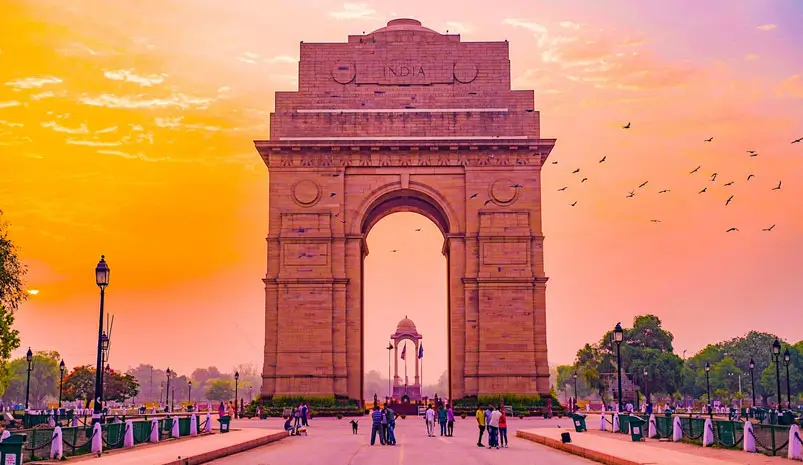
Arrival cities in India include major hubs such as Delhi and Mumbai. These cities are well-connected to other destinations, making them ideal starting points. From here, travelers can continue their journey by domestic flights or road travel.
Booking flights in advance helps secure better prices. Flexibility with travel dates can also reduce costs. Monitoring fares and choosing the right booking time is an effective strategy.
Jet lag is another factor to consider. Adjusting sleep schedules before travel and planning rest time upon arrival helps manage the time difference. Staying hydrated and choosing comfortable seating also improves the journey.
Understanding flight options allows travelers to make informed decisions. A well-organized India travel plan for Spanish tourists begins with the right flight strategy.
Choosing the right destinations is essential for creating a balanced travel experience. Spanish tourists often look for a mix of culture, history, and relaxation. The best places to visit in India for Spanish tourists provide a combination of these elements.
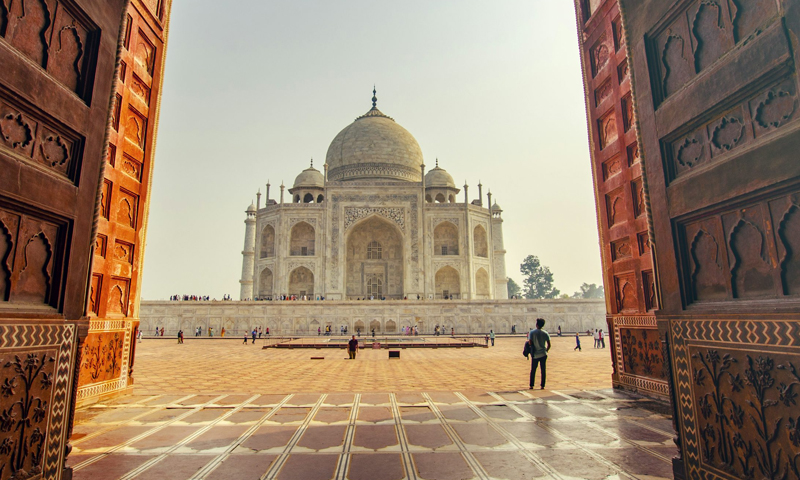
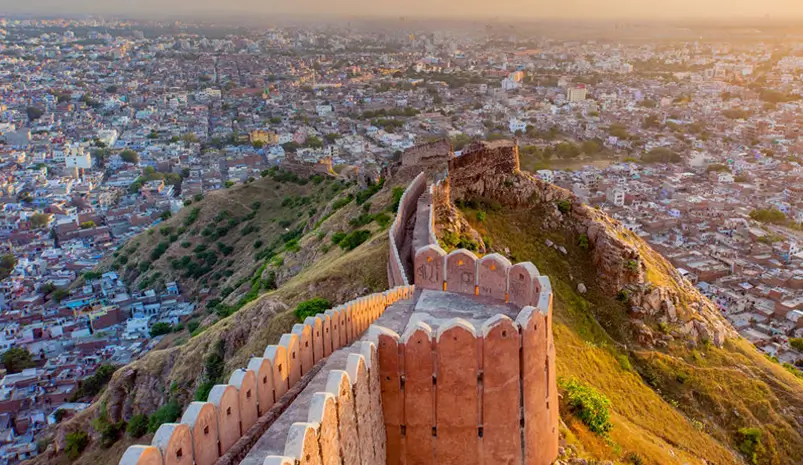
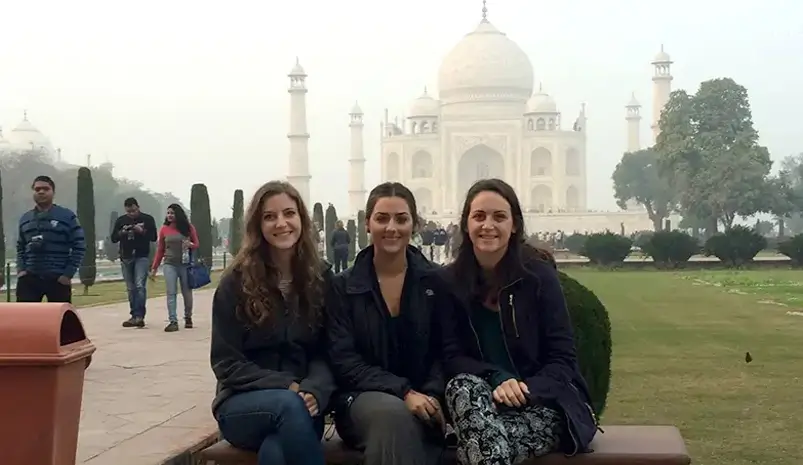
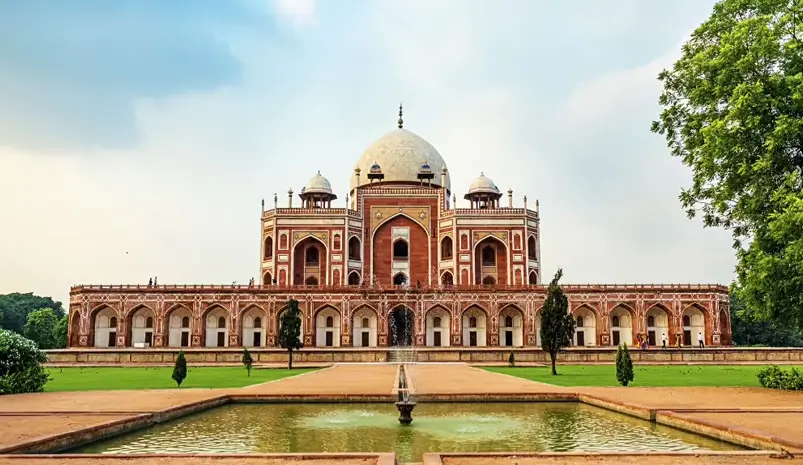
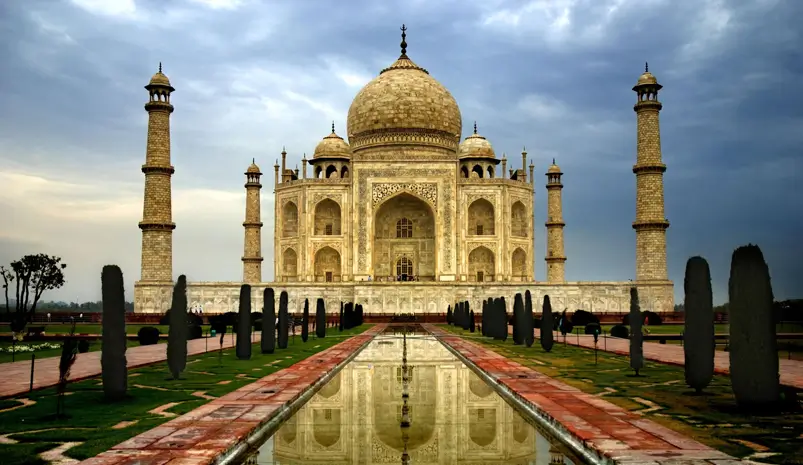
The Golden Triangle route is the most recommended starting point. It includes Delhi, Agra, and Jaipur, offering a comprehensive introduction to India’s heritage. This route is well-developed and suitable for first-time visitors.
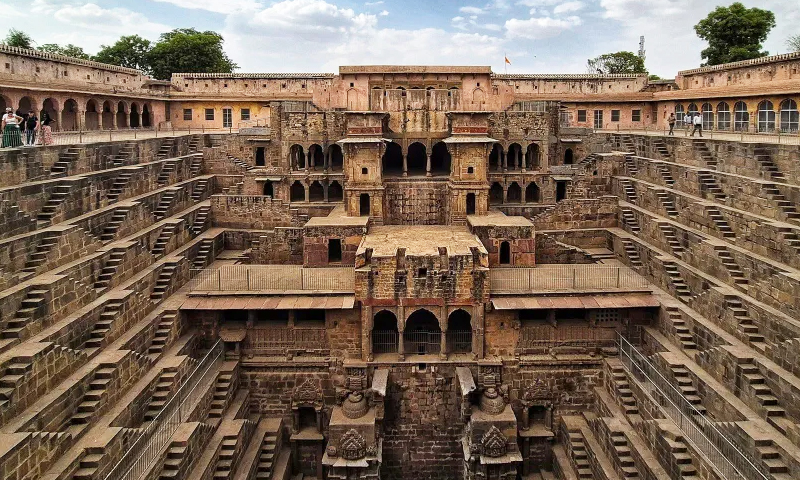
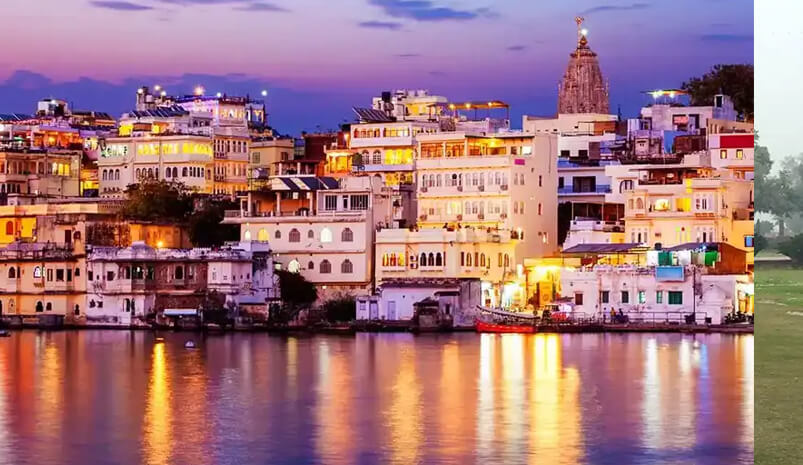
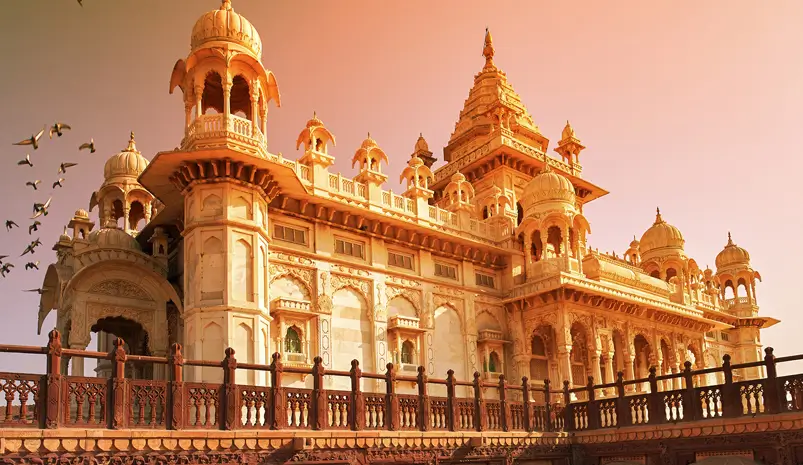
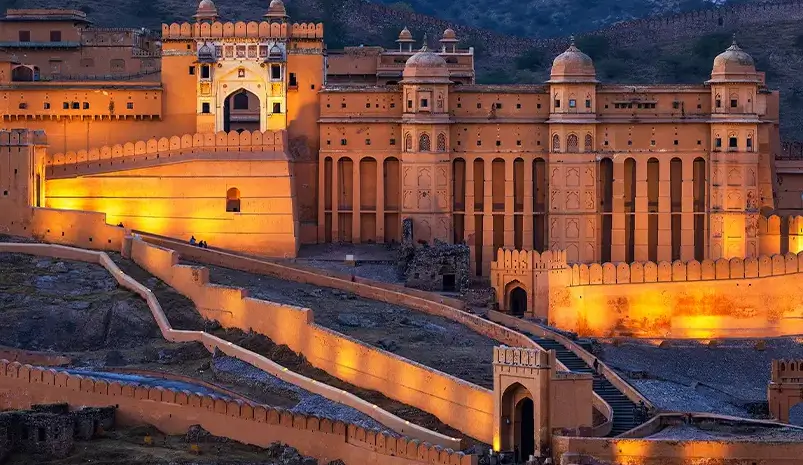
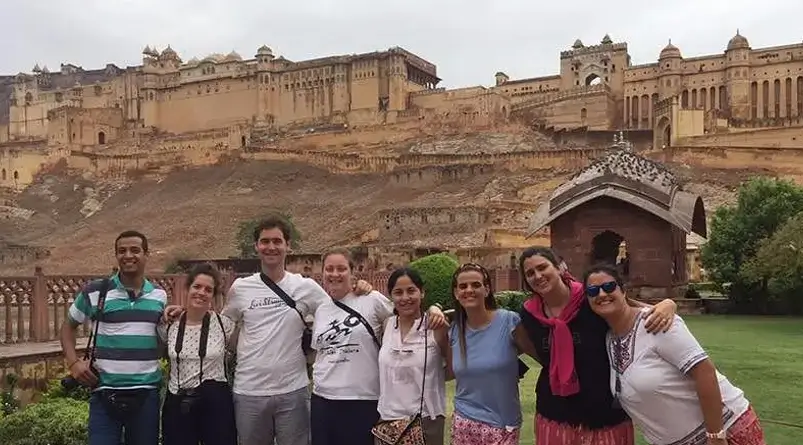
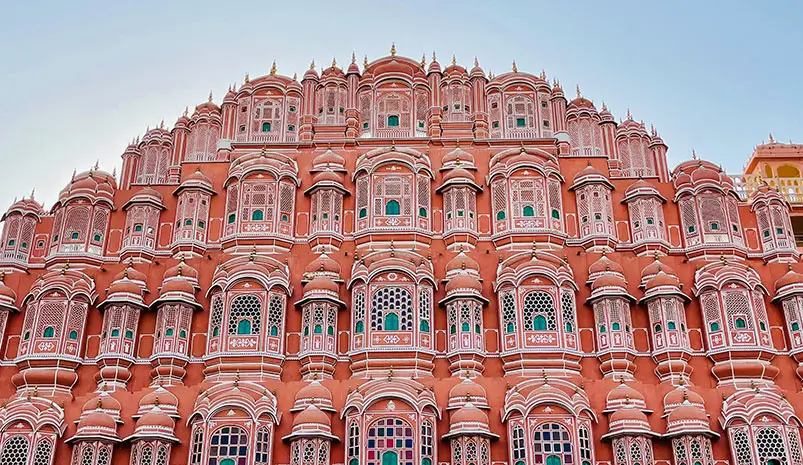
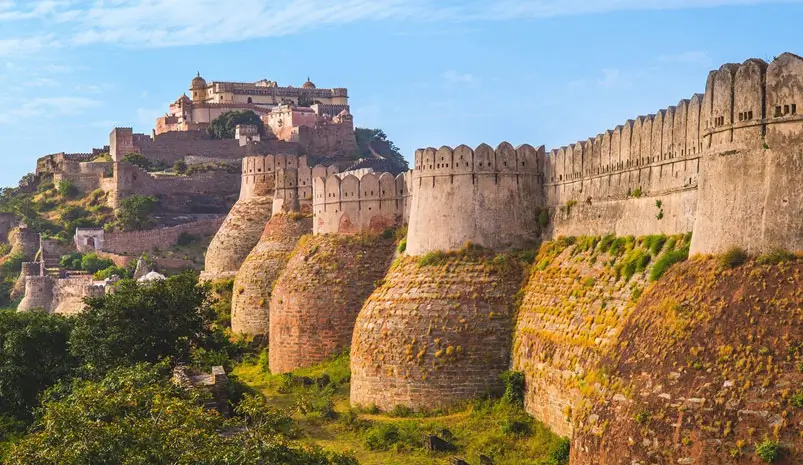
Rajasthan is another popular choice. Cities like Udaipur, Jodhpur, and Jaipur offer palaces, forts, and cultural experiences. A Rajasthan tour for Spanish travelers provides a deeper understanding of India’s royal history.
For those interested in nature and relaxation, Kerala offers a different experience. Backwaters, greenery, and a slower pace make it ideal for travelers seeking tranquility.
Goa is suitable for beach lovers. It provides a relaxed environment with coastal views and a mix of leisure activities. This destination is often included in longer itineraries.
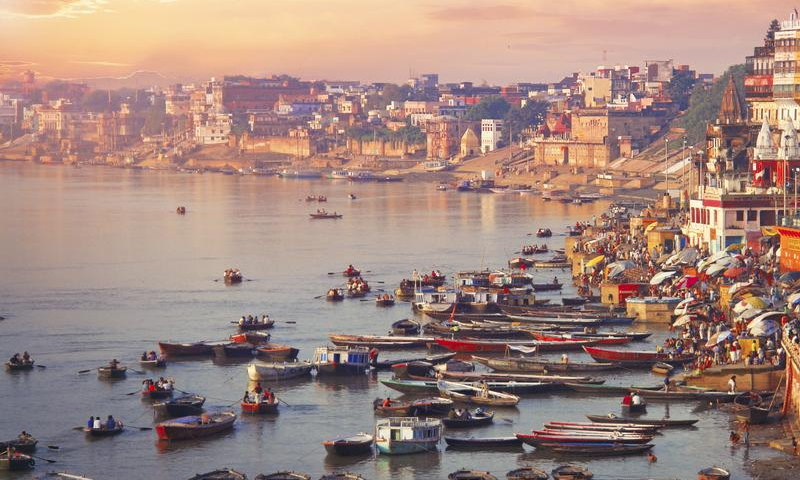
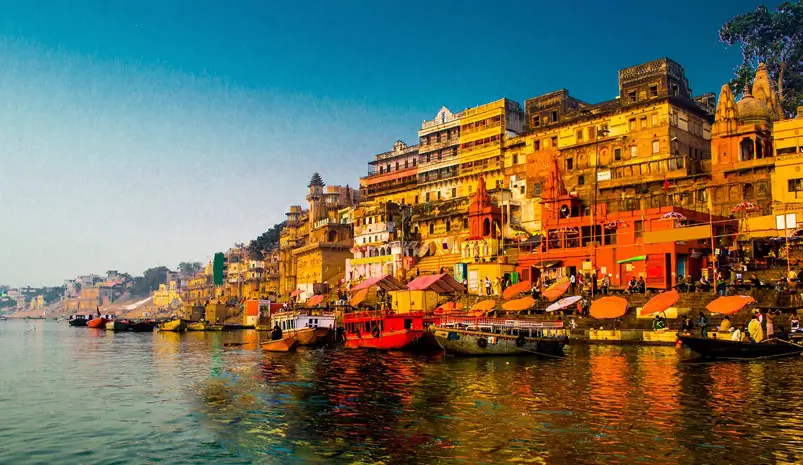
Varanasi offers a spiritual experience that is unique to India. It requires careful planning but provides a deeper cultural connection.
Combining multiple destinations is possible but requires careful planning to avoid fatigue. A well-structured India itinerary for Spanish visitors ensures that travel remains comfortable.
Selecting the right destinations defines the overall experience. A balanced approach allows travelers to explore India while enjoying its diversity.
Understanding the cost of traveling in India helps Spanish tourists plan their trip effectively. The India travel cost for Spanish tourists depends on accommodation, transportation, and travel style.
Mid-range travel typically costs between 120 to 250 USD per day per person. This includes comfortable hotels, private transport, and basic sightseeing. Luxury travel can go significantly higher depending on hotel choices and services.
Accommodation is one of the main expenses. Mid-range hotels usually cost between 70 to 150 USD per night, while luxury properties can exceed this range. Choosing the right category depends on comfort preferences.
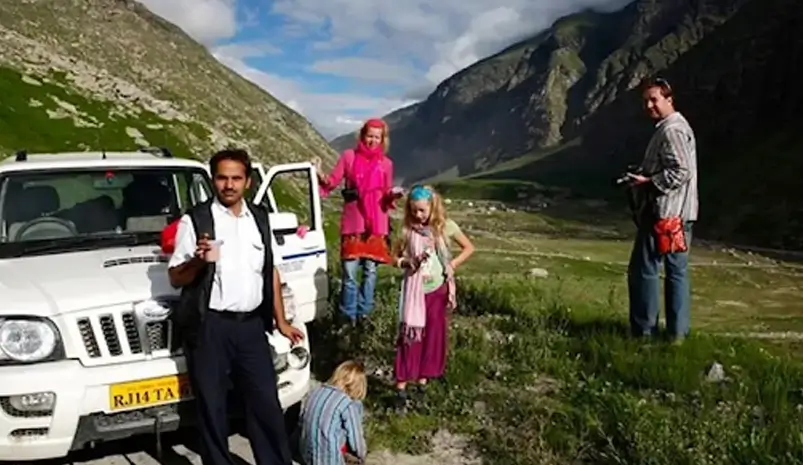
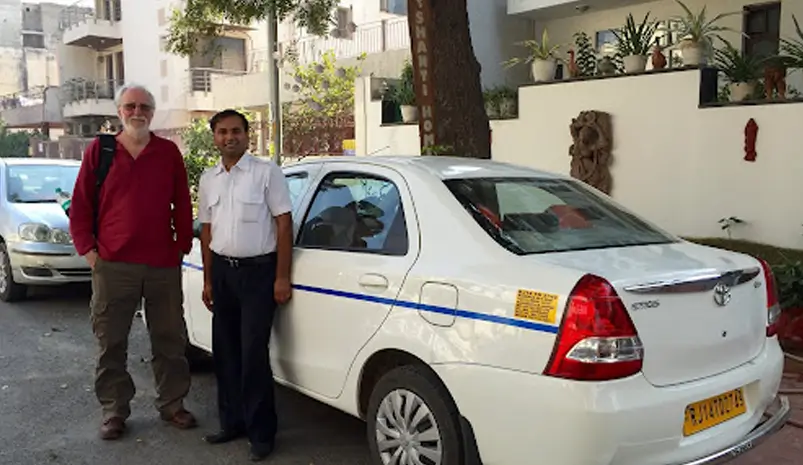
Transportation is another key component. Hiring a private car with driver in India is a common choice, offering convenience and flexibility. Daily costs range between 50 to 120 USD depending on the vehicle.
Food expenses are relatively affordable, with daily costs ranging between 15 to 30 USD per person. Sightseeing and entry tickets add another layer to the budget.
Flights, both international and domestic, also contribute to the total cost. Booking in advance helps reduce expenses.
A well-planned India travel budget from Spain ensures that travelers can enjoy their trip without unexpected financial stress.
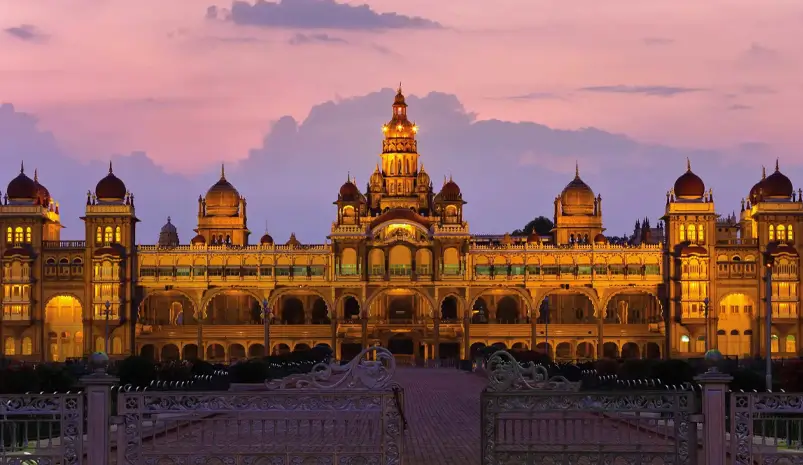
From majestic palaces and sacred temples to bustling bazaars and breathtaking landscapes, India offers unforgettable experiences at every turn. Discover the country with expertly planned journeys tailored to your travel dreams.
Adapting to cultural differences is essential for a smooth travel experience. Spanish tourists often notice variations in daily routines and social behavior. A well-prepared India cultural guide for Spanish tourists helps in adjusting quickly.
Dress modestly, especially at religious sites. This shows respect and helps avoid discomfort. Choose lightweight clothing suitable for the climate.
Food should be approached gradually. Starting with mild dishes and choosing clean restaurants ensures a better experience.
Public spaces can be crowded. Staying patient and aware helps navigate these environments comfortably.
Tipping is common in India. Understanding basic tipping practices helps in managing interactions with service providers.
Communication is generally easy in tourist areas, but having local contacts improves convenience.
Respecting local customs enhances the experience. A thoughtful approach ensures a more enjoyable journey.
Post By :- Admin On | 06 Jun 2026
Yes, Spanish citizens must obtain a visa before traveling. The e-visa is the most convenient option and can be applied for online.
Direct flights usually take around eight to ten hours, while connecting flights may take longer depending on layovers.
India is generally safe when travel is planned properly. Using reliable services and following basic precautions ensures a smooth experience.
The Golden Triangle route is the most recommended as it provides a balanced introduction to India.
A mid-range trip typically costs between 120 to 250 USD per day per person.
Yes, English is commonly used in tourist areas and major cities
Yes, but carrying some cash is advisable for smaller transactions.
Ten to fourteen days is ideal for a comfortable experience.
Yes, but many prefer private tours for better comfort and convenience.