


India and Japan share a unique relationship built on mutual respect, cultural appreciation, historical connections, and a growing interest in tourism. While both countries have distinct traditions, travelers from Japan often find India fascinating because it offers a completely different cultural landscape while still preserving deep-rooted values, spirituality, hospitality, craftsmanship, and heritage.
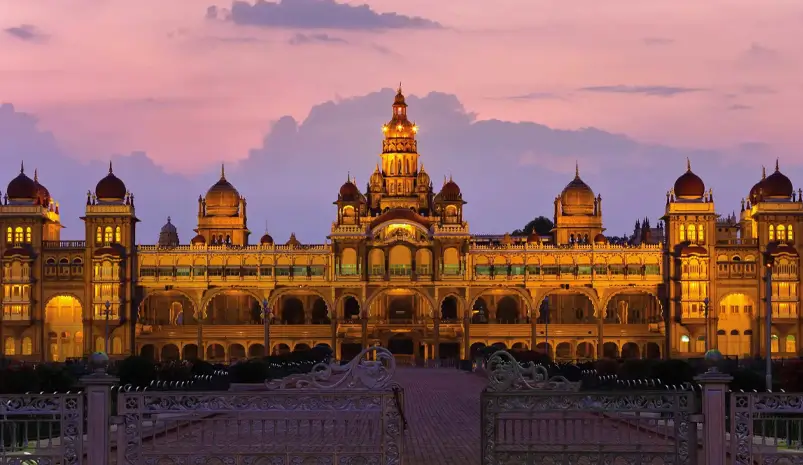
For Japanese visitors, India represents a destination where centuries-old temples stand beside modern cities, where royal palaces coexist with bustling markets, and where every region introduces new traditions, cuisines, languages, and architectural styles. Whether traveling to witness the beauty of the Taj Mahal, experience the royal heritage of Rajasthan, explore sacred spiritual centers, or enjoy luxury palace hotels, India provides an extraordinary range of experiences that appeal to travelers seeking culture, authenticity, and meaningful encounters.
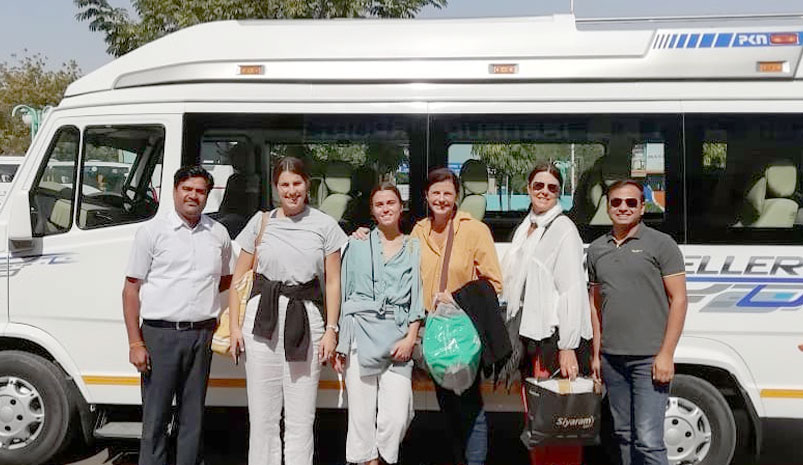
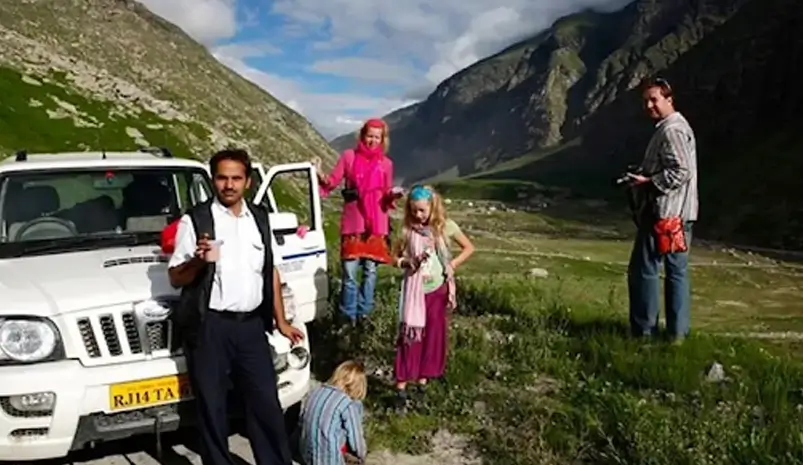
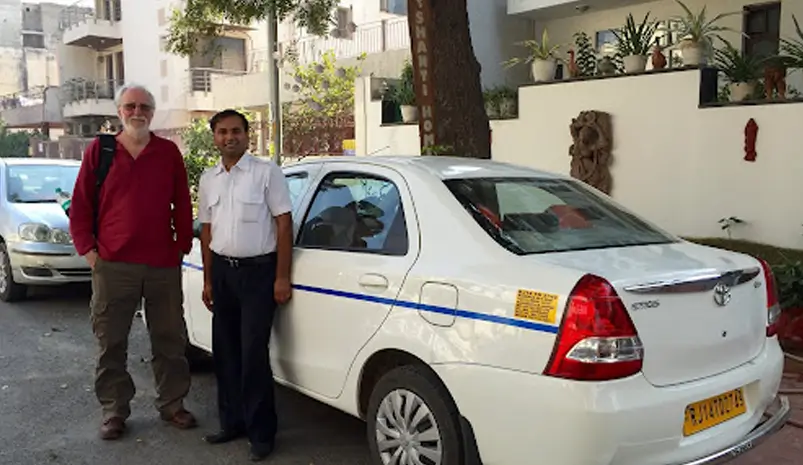
One of the most comfortable and efficient ways to explore the country is through India tour packages from Japan with private driver services. India is vast, diverse, and often very different from travel environments that Japanese visitors are accustomed to. Distances between destinations can be significant, transportation systems vary across regions, and many attractions are spread across multiple cities. A professional chauffeur-driven tour simplifies the entire experience by providing consistent transportation, local support, and complete flexibility throughout the journey.
Unlike fixed group tours, a private India driver tour allows travelers to customize schedules according to their interests. Whether focusing on history, architecture, photography, food, spirituality, wildlife, luxury travel, or cultural immersion, visitors can enjoy a personalized itinerary designed specifically around their preferences. This flexibility is particularly valuable for Japanese travelers who often appreciate well-organized, comfortable, and carefully planned travel experiences.
India offers an incredible variety of destinations. The famous Golden Triangle Tour, Rajasthan's royal cities, Varanasi's spiritual atmosphere, Kerala's peaceful backwaters, and Ranthambore's wildlife reserves each reveal different aspects of the country. A private chauffeur ensures smooth transitions between these destinations while allowing travelers to enjoy every moment of the journey without worrying about logistics.
For visitors departing from Japan, understanding local culture, etiquette expectations, travel practices, and transportation options can greatly enhance the overall experience. With proper planning and a reliable private driver, India becomes a destination that is not only fascinating but also remarkably accessible and enjoyable.
Travel habits in Japan often emphasize punctuality, organization, cleanliness, and efficiency. While India offers extraordinary cultural richness, its travel environment can feel very different from what many Japanese visitors experience at home. This difference is precisely why chauffeur-driven travel has become one of the most popular choices among Japanese tourists exploring India.
A private driver in India provides consistency throughout the journey. Rather than arranging multiple taxis, domestic transportation connections, or unfamiliar travel routes, visitors benefit from a single professional driver who accompanies them across destinations. This continuity creates a smoother and more relaxed travel experience.
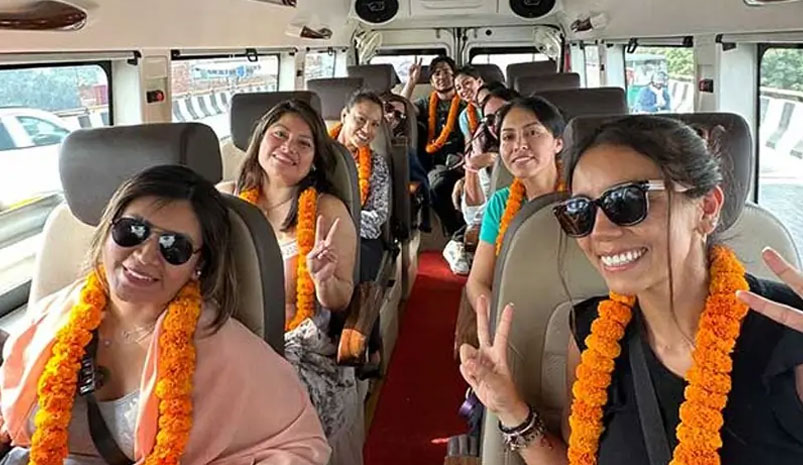
Comfort is another significant advantage. Road journeys between destinations such as Delhi, Agra, Jaipur, Jodhpur, Udaipur, and Jaisalmer can involve several hours of travel. Modern air-conditioned vehicles allow travelers to relax comfortably while enjoying India's changing landscapes and cultural scenery.
Japanese travelers often appreciate detailed planning and efficient scheduling. A private chauffeur helps maintain a structured itinerary while still providing flexibility when needed. If travelers wish to spend additional time at a monument, visit a local craft market, stop for photography, or explore a recommended cultural site, adjustments can be made easily without disrupting the overall journey.
Language assistance can also be valuable. While English is widely spoken in major tourist areas, having a driver familiar with local regions, attractions, hotels, and visitor needs adds an extra layer of convenience and confidence.
For families, senior travelers, photographers, honeymooners, and luxury travelers, private chauffeur tours offer an ideal balance of comfort, flexibility, and personalized service. This travel style allows visitors to focus entirely on India's remarkable cultural experiences while leaving transportation logistics in professional hands.
One of the most rewarding aspects of visiting India is experiencing a culture that differs significantly from Japan while still sharing important values such as respect, hospitality, tradition, and community. Understanding these differences before arrival can help travelers feel more comfortable and confident throughout their journey.
India is a highly diverse country where daily life is often more vibrant, dynamic, and spontaneous than what many Japanese visitors are accustomed to. Streets may appear busy, markets are lively, and public spaces often involve large numbers of people interacting simultaneously. While this environment can initially seem overwhelming, many travelers soon recognize it as part of India's unique character and energy.
Personal interactions in India tend to be warm and friendly. Local people are often curious about international visitors and may initiate conversations, particularly in regions where tourism is common. Hospitality is deeply rooted in Indian culture, and guests are generally treated with great respect.
Religious diversity is another important aspect of Indian society. Hindu temples, mosques, churches, Sikh gurdwaras, Buddhist sites, and Jain temples can often be found within the same city. Visitors frequently encounter religious ceremonies, festivals, processions, and traditions as part of everyday life.
Time management may also feel different. While professional tourism services generally operate efficiently, local schedules can sometimes be more flexible than what Japanese travelers expect. Understanding this cultural difference helps create a more relaxed and enjoyable travel experience.
The diversity of languages, clothing styles, cuisines, architectural traditions, and regional customs means that each destination offers something entirely different. Rather than expecting uniformity, travelers are often rewarded by embracing the variety and complexity that define India.
For many Japanese visitors, these cultural contrasts become some of the most memorable and enriching aspects of the journey.
Understanding local etiquette enhances interactions with local communities and helps travelers navigate cultural situations respectfully. Fortunately, many etiquette practices in India are straightforward and easy to follow.
Modest clothing is generally appreciated when visiting religious sites. Both men and women should avoid overly revealing attire when entering temples, mosques, and other places of worship. In some locations, shoes must be removed before entry.
Photography etiquette is also important. While many monuments and public spaces allow photography, it is always respectful to seek permission before taking close-up photographs of individuals, particularly in rural areas or during religious ceremonies.
Greetings in India vary by region, but a polite smile and respectful attitude are universally appreciated. Many people use the traditional gesture of joining their hands together as a greeting, although handshakes are also common in business and tourism settings.
When visiting homes or certain cultural sites, removing shoes before entering may be customary. Observing local behavior often provides useful guidance in such situations.
Dining etiquette can differ from Japanese customs. While many restaurants provide international dining settings, traditional Indian meals may involve eating with the right hand. Visitors are not expected to adopt local dining habits but may choose to do so if they wish to experience local traditions more authentically.
Respect for religious customs remains particularly important. Visitors should avoid interrupting ceremonies, making excessive noise in sacred areas, or entering restricted sections of religious sites without permission.
A respectful and open-minded approach is generally all that is required. Indian people are typically welcoming toward international visitors and appreciate genuine interest in local culture and traditions.
India offers a wide variety of destinations that appeal strongly to visitors from Japan. Historical architecture, spiritual significance, cultural traditions, scenic landscapes, and luxury hospitality combine to create memorable travel experiences across the country.
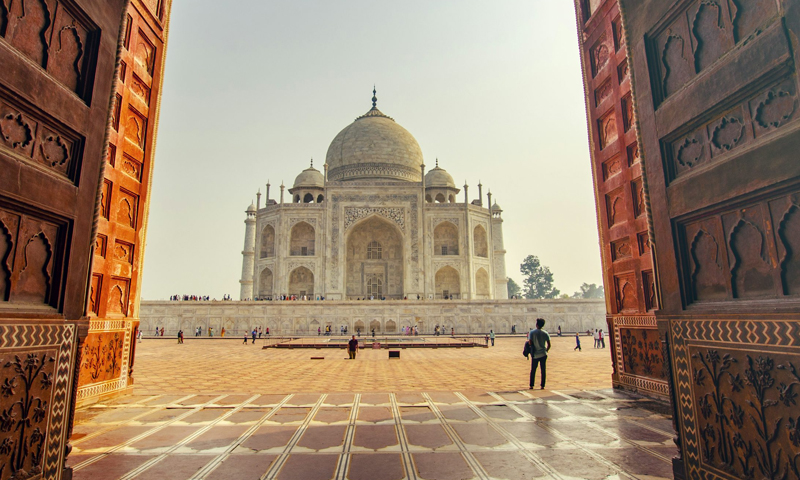
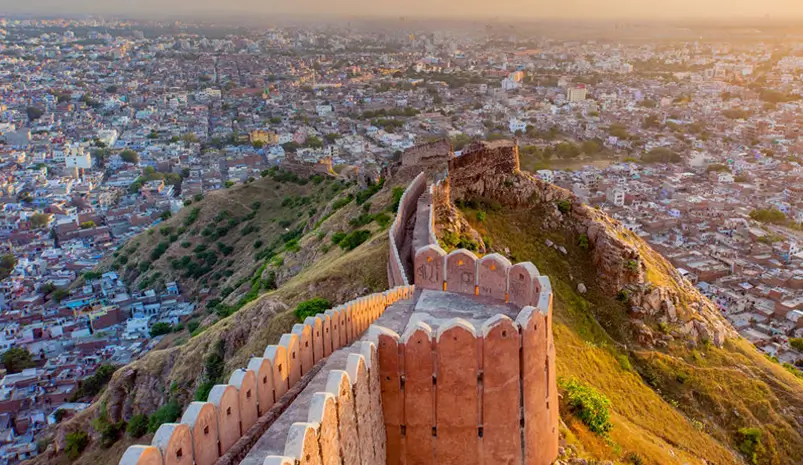
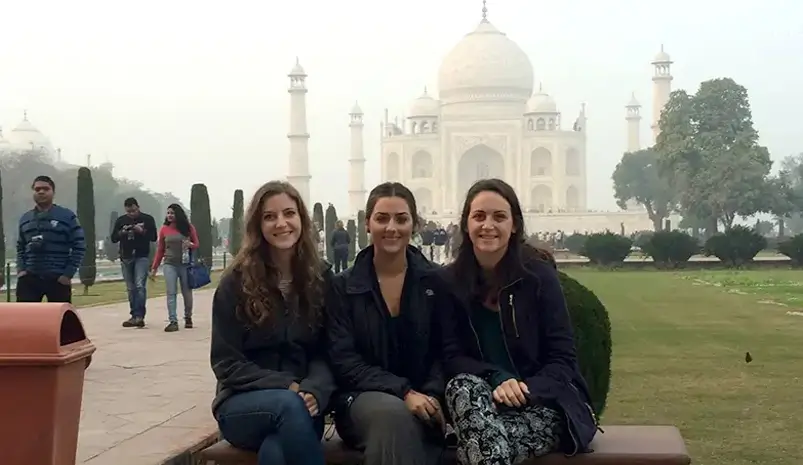
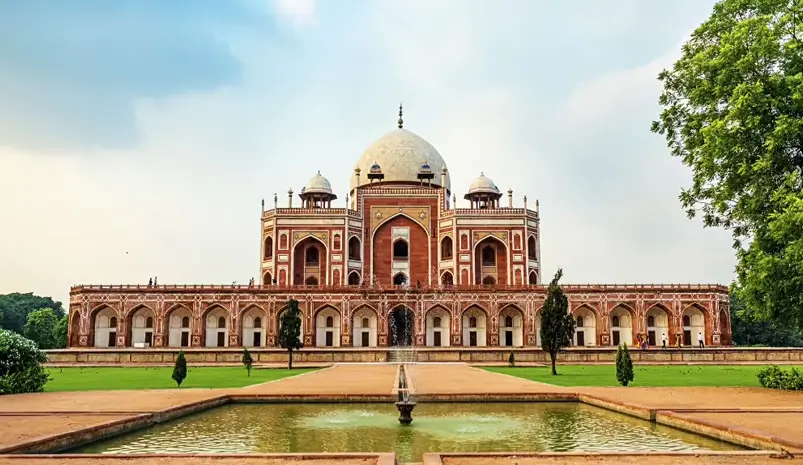
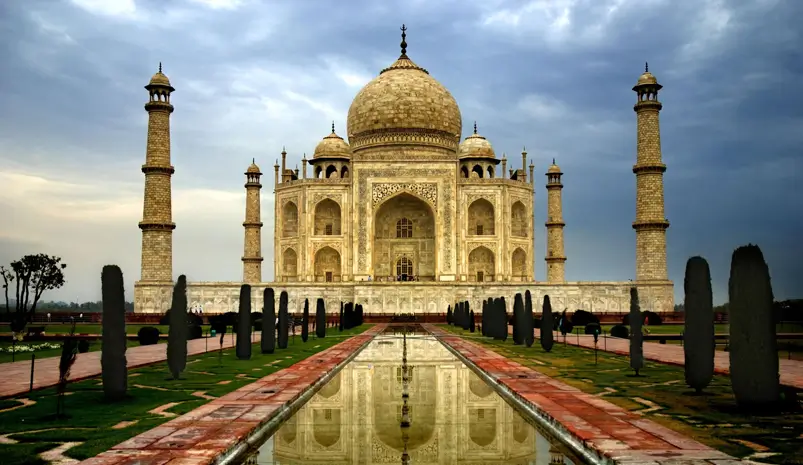
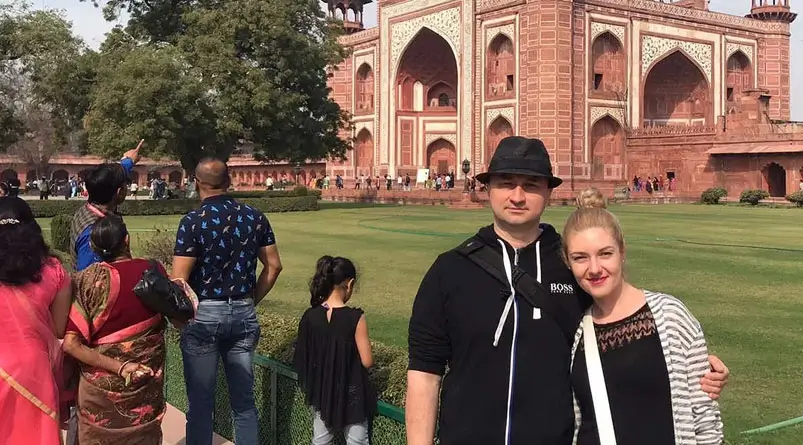
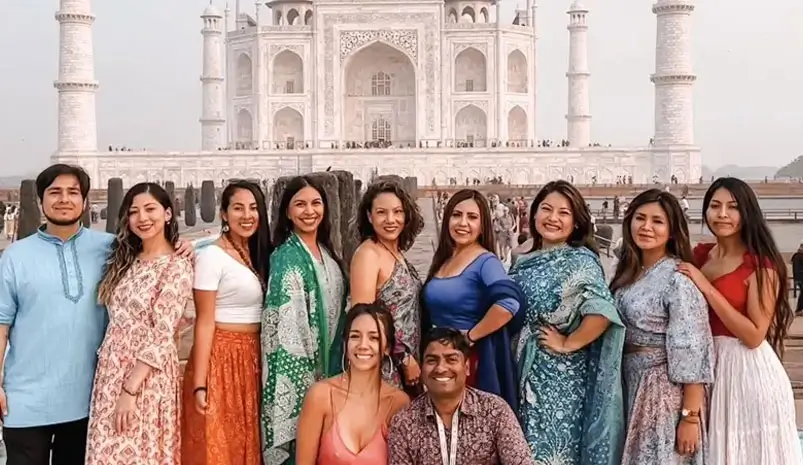
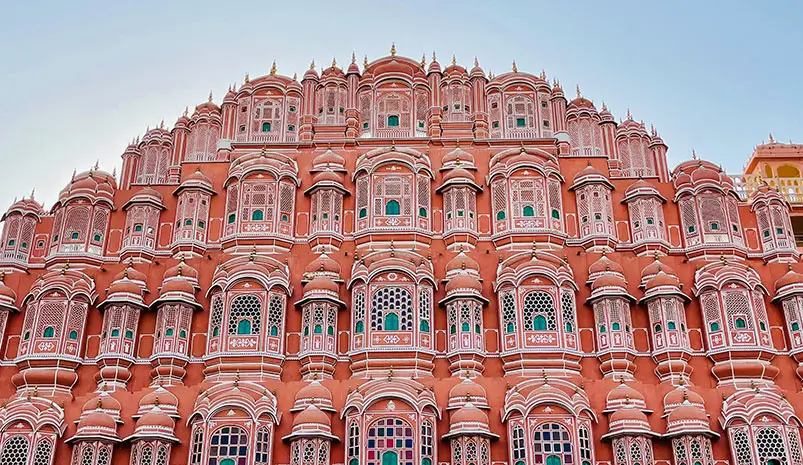
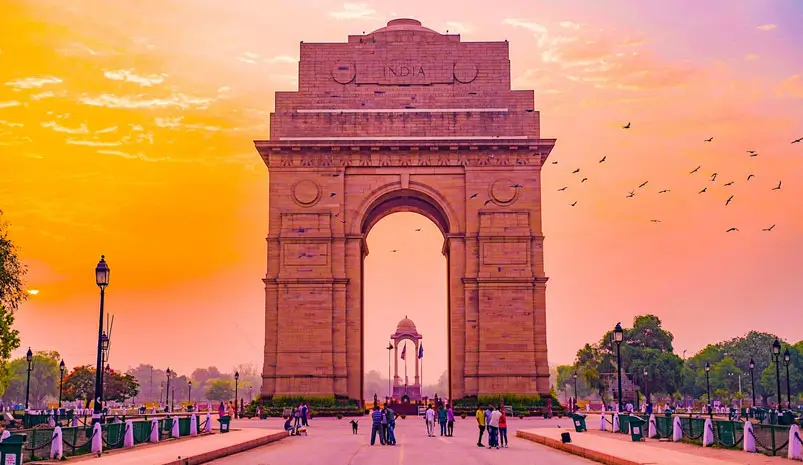
The Golden Triangle Tour remains one of the most popular routes. Delhi introduces travelers to India's historical and modern identity through monuments, museums, markets, and architectural landmarks. Agra provides the opportunity to witness the Taj Mahal, one of the most admired structures in the world. Jaipur showcases Rajasthan's royal heritage through magnificent forts, palaces, and vibrant cultural traditions.
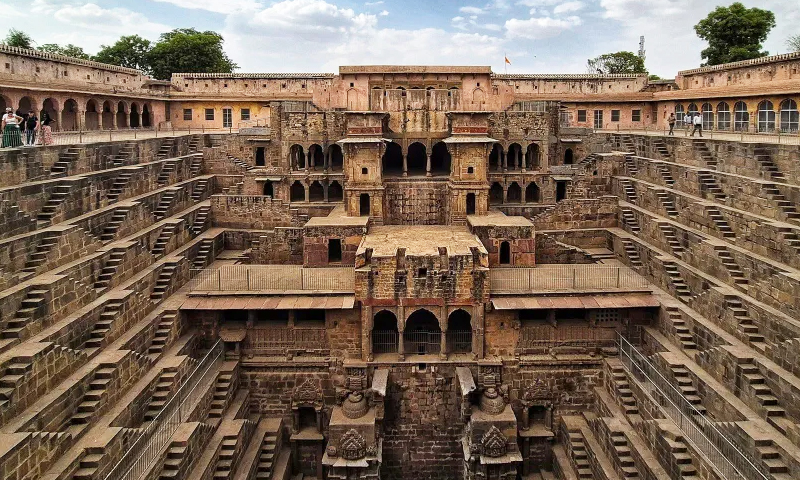
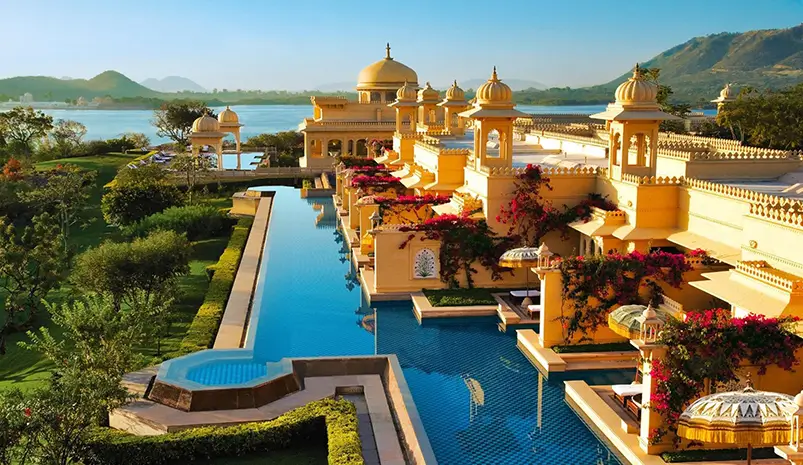
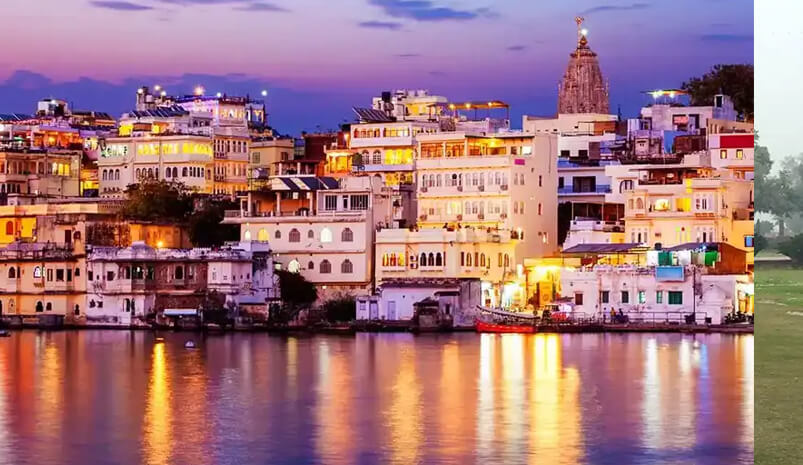
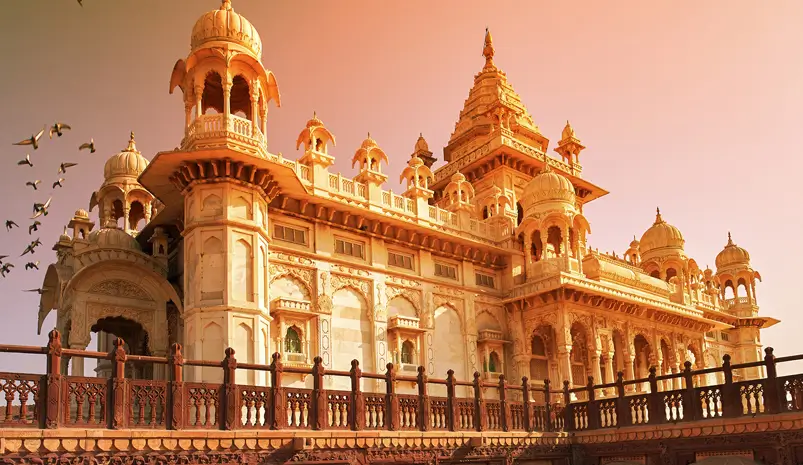
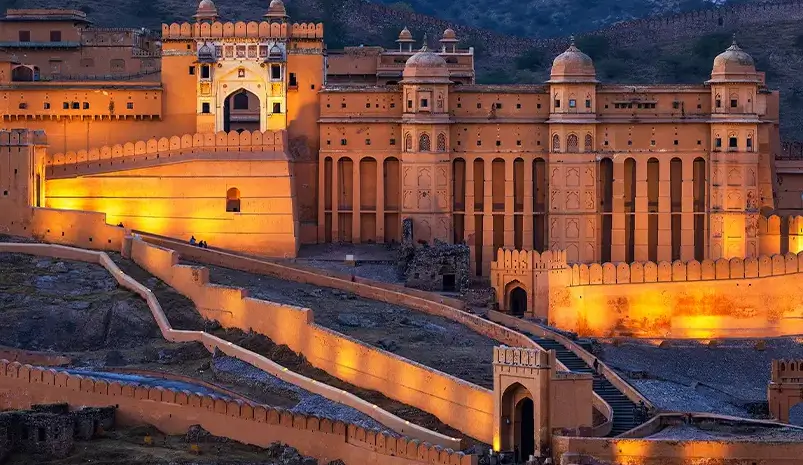
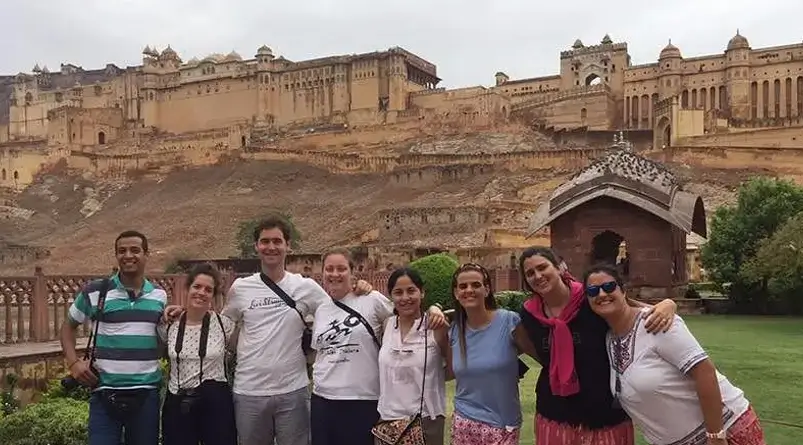
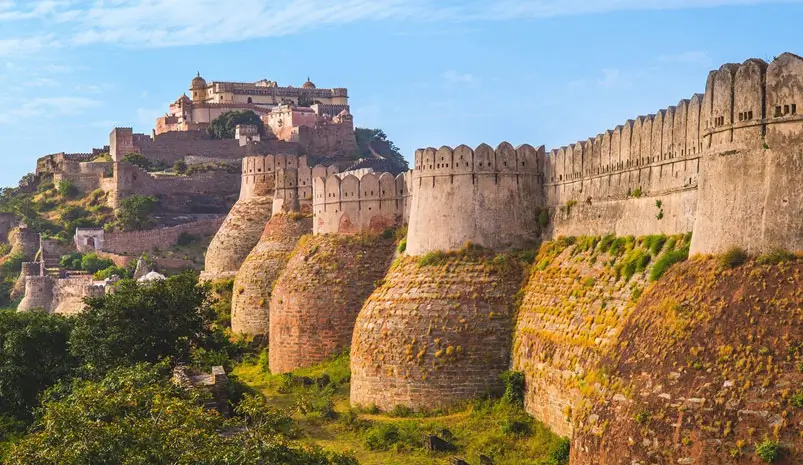
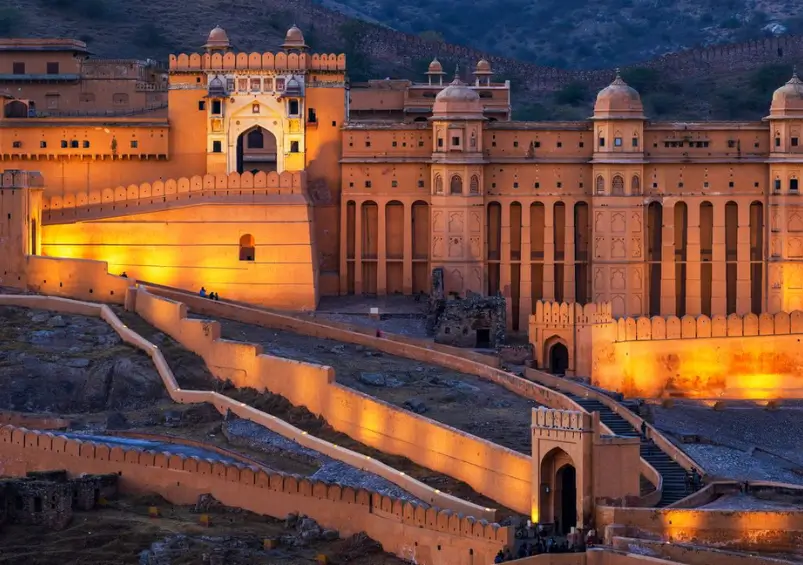
Rajasthan often becomes a favorite region among Japanese travelers because of its extraordinary architecture and visual beauty. Cities such as Udaipur, Jodhpur, and Jaisalmer offer impressive forts, palace hotels, lakes, desert landscapes, and traditional craftsmanship.
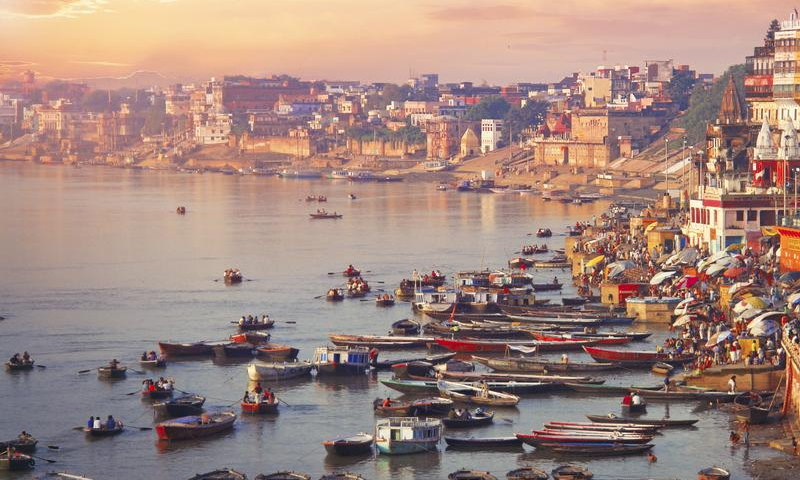
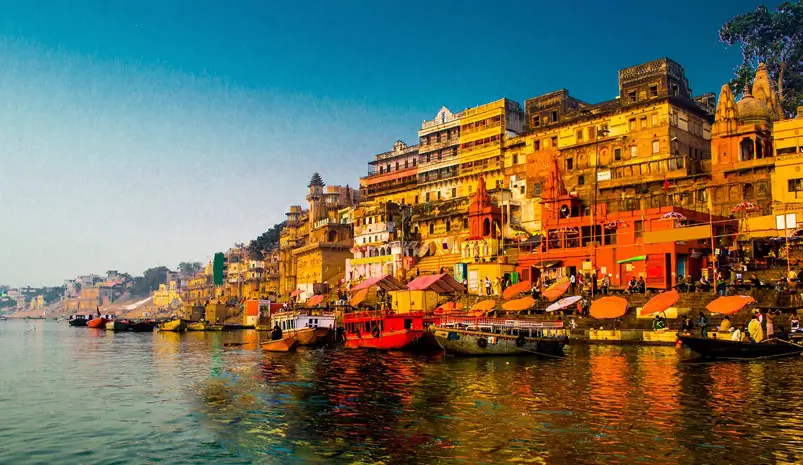
Varanasi attracts visitors interested in spirituality and cultural heritage. The city's sacred riverfront ceremonies, ancient temples, and unique atmosphere provide an experience unlike anywhere else in the world.
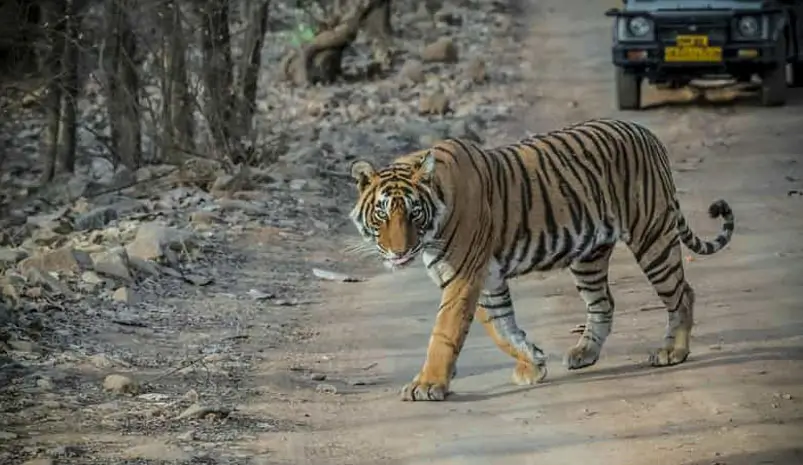
For travelers seeking nature and wildlife, Ranthambore National Park offers opportunities to observe Bengal tigers and other wildlife species in their natural environment. Wildlife photography enthusiasts often consider this destination one of the highlights of their journey.
Kerala provides a completely different perspective on India. Backwater cruises, tea plantations, tropical landscapes, wellness retreats, and coastal villages create a peaceful contrast to the historical cities of northern India.
Each destination contributes a different dimension to the travel experience, allowing visitors to create itineraries that reflect their individual interests and travel goals.
Luxury travel continues to grow among Japanese travelers visiting India. The country offers a remarkable selection of premium experiences that combine comfort, authenticity, and cultural immersion.
One of the most sought-after experiences is staying in heritage palace hotels. These properties allow guests to experience India's royal history while enjoying modern luxury amenities. Elegant architecture, personalized hospitality, fine dining, and cultural performances create unforgettable stays.
Private guided tours of historical monuments provide deeper insight into India's rich heritage. Expert guides help visitors understand architectural details, historical context, cultural significance, and local traditions.
Luxury train journeys, wellness retreats, fine dining experiences, private cultural performances, and curated shopping experiences further enhance the journey. Many travelers also appreciate opportunities to visit artisan workshops where traditional crafts such as textiles, jewelry, miniature paintings, and handwoven products are created.
Photography-focused itineraries have become particularly popular among Japanese visitors. Rajasthan's colorful markets, historical architecture, desert landscapes, and traditional lifestyles offer exceptional opportunities for photography enthusiasts.
Private chauffeur services remain central to these luxury experiences because they provide flexibility, comfort, and seamless transportation between destinations. Travelers can enjoy every aspect of the journey without logistical concerns while maintaining complete control over their schedules and preferences.
Post By :- Admin On | 22 Jul 2026
Yes. India offers a wide range of cultural, historical, and luxury experiences that can be comfortably enjoyed with proper planning and private transportation.
A private driver provides convenience, flexibility, comfort, local knowledge, and a stress-free travel experience.
Delhi, Agra, Jaipur, Udaipur, Jodhpur, Jaisalmer, Varanasi, Ranthambore, and Kerala are among the most popular destinations.
Yes. English is widely spoken in hotels, airports, tourist attractions, and tourism-related services.
Comfortable clothing is suitable for most situations, while modest attire is recommended when visiting religious sites.
Yes. Most tourist destinations are safe when visitors use reputable tour operators, professional drivers, and common travel precautions.
Yes. Private tours can be designed around culture, architecture, spirituality, photography, luxury travel, wildlife, or food experiences.
Major cities and luxury hotels often offer Japanese cuisine, although most travelers also enjoy trying regional Indian dishes.
Ten to fifteen days is a popular duration for combining the Golden Triangle and Rajasthan.
Its forts, palaces, architecture, craftsmanship, colors, photography opportunities, heritage hotels, and cultural traditions make Rajasthan especially appealing.