


Planning a trip to India involves understanding how weather conditions affect travel comfort, sightseeing, and overall experience. Among all seasons, winter stands out as the most suitable period for international travelers. A well-planned India tour in December and January offers a balance of comfortable temperatures, better travel conditions, and a smoother overall journey.
India experiences a wide range of climates, but northern regions such as Delhi, Agra, and Rajasthan are particularly influenced by seasonal changes. During winter, temperatures remain moderate during the day, making outdoor activities and sightseeing more comfortable. This is especially important for travelers who are not accustomed to high heat levels.
The pleasant weather allows visitors to explore historical monuments, markets, and cultural sites without physical discomfort. Walking tours, guided visits, and outdoor experiences become more enjoyable. A Golden Triangle tour in winter for foreign tourists benefits significantly from these conditions.
Another advantage is the clarity of the environment. Cooler temperatures often result in better visibility, which enhances the experience at major attractions. Photographs, sightseeing, and overall enjoyment improve during this period.
Winter also aligns with the travel preferences of international tourists. Many travelers plan their vacations during this time, making it a peak season. While this increases demand, it also ensures that services, hotels, and transport are well-prepared to handle tourists.
For those looking for a comfortable and structured travel experience, winter provides the ideal conditions. A carefully planned India winter travel itinerary ensures that every aspect of the journey is optimized for comfort and enjoyment.
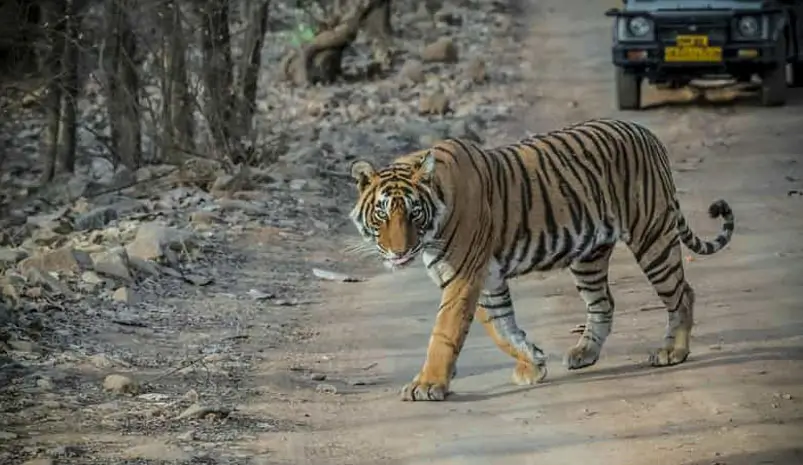
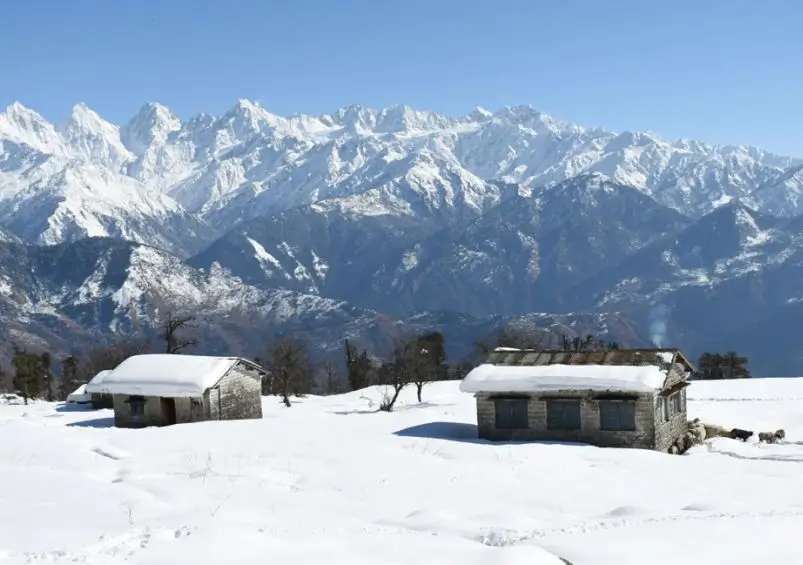
Experience India at its finest during the winter season. From royal cities and cultural festivals to wildlife adventures and scenic landscapes, December and January offer the perfect weather for an unforgettable journey.
Understanding weather conditions is essential for planning a successful trip. The India weather in December and January for tourists is generally pleasant, especially in the northern regions. This makes it one of the most preferred seasons for travel.
In Delhi, daytime temperatures usually range between 15 to 25 degrees Celsius, creating comfortable conditions for sightseeing. Early mornings and evenings can be cooler, so carrying light layers is recommended.
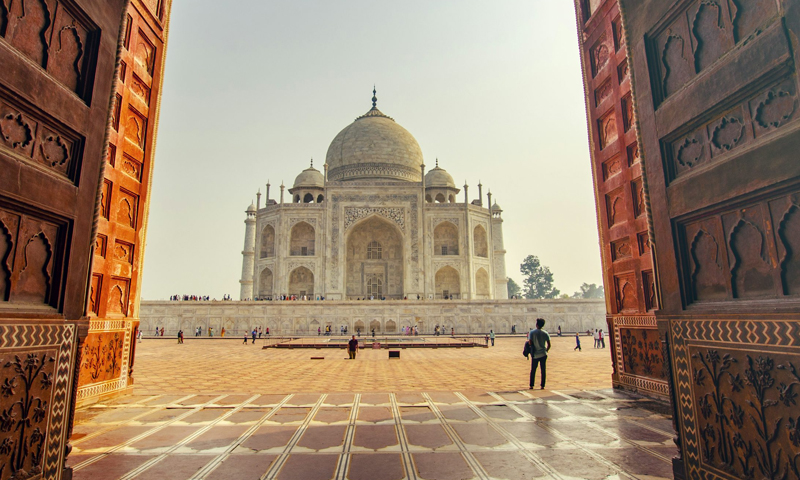
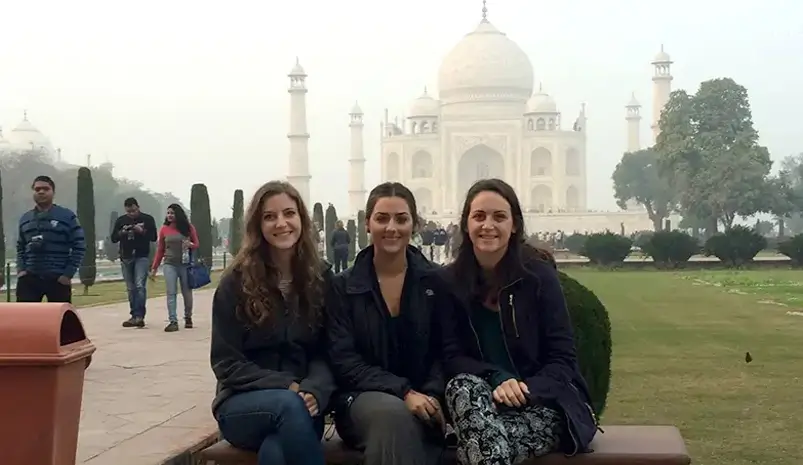
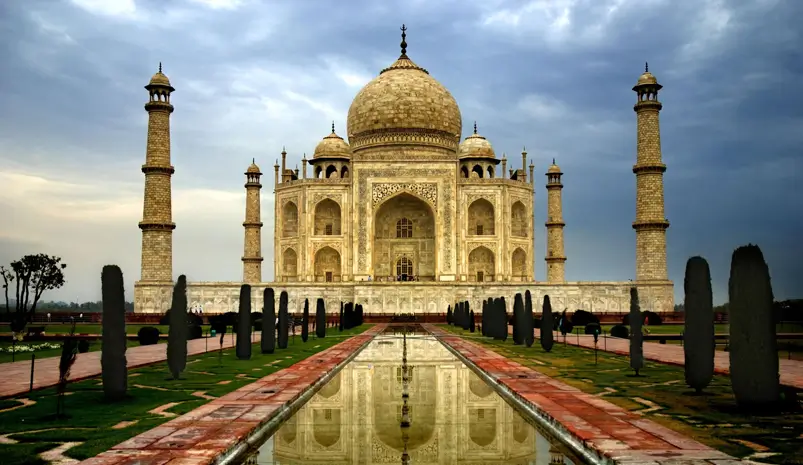
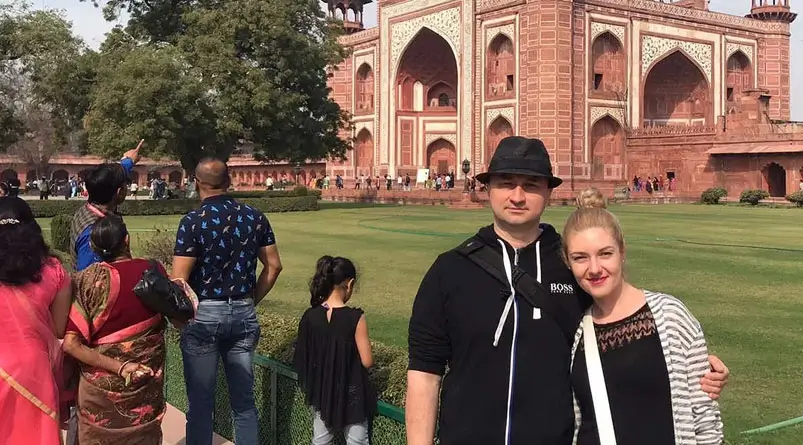
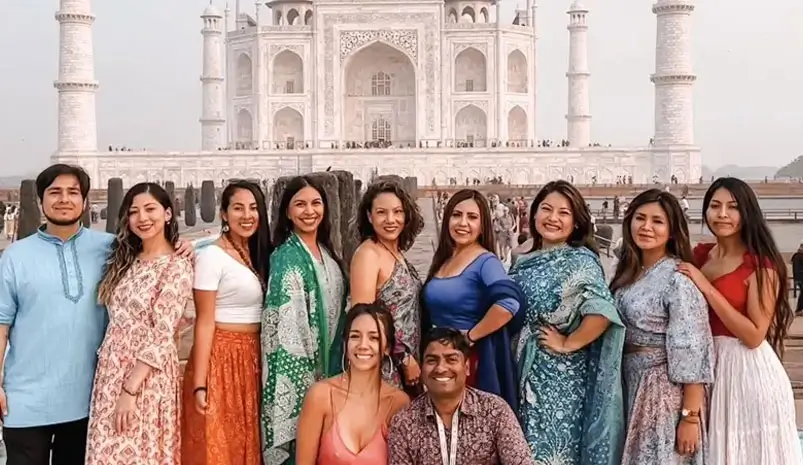
Agra experiences similar weather, making it ideal for visiting the Taj Mahal and other monuments. The cooler climate allows travelers to explore without feeling exhausted, which is often a challenge during warmer months.
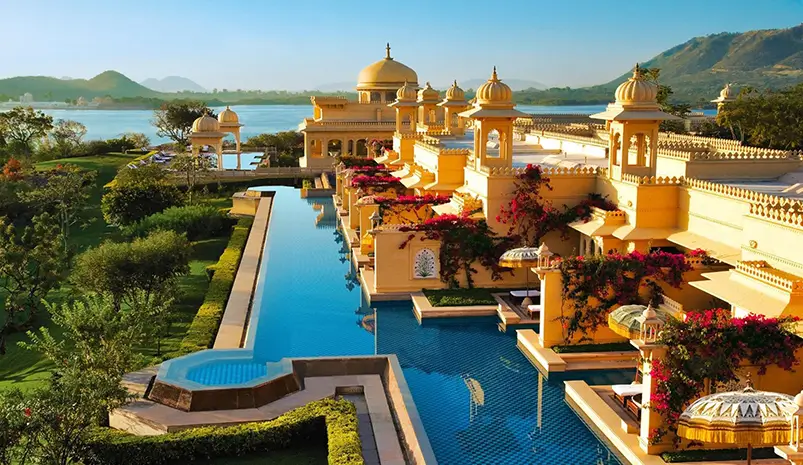
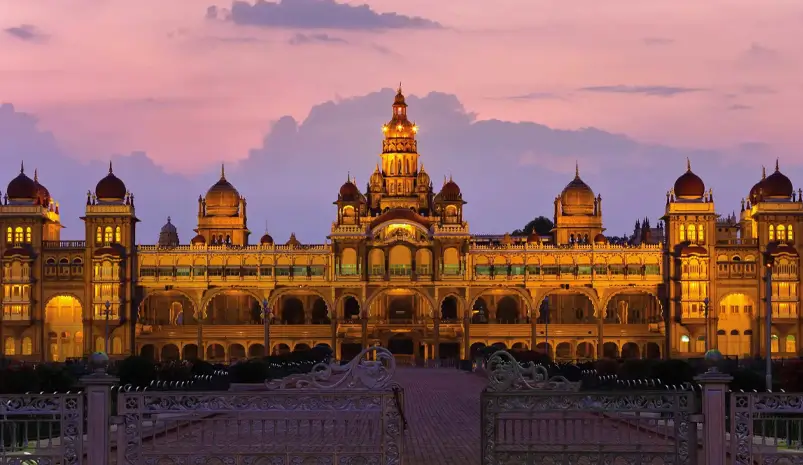
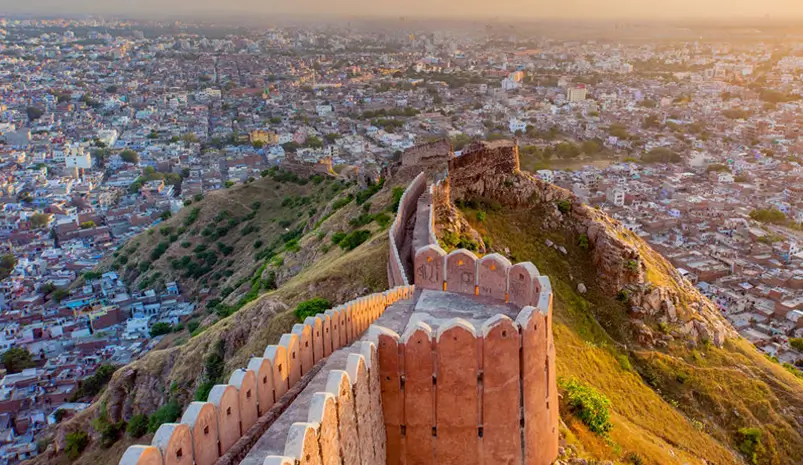
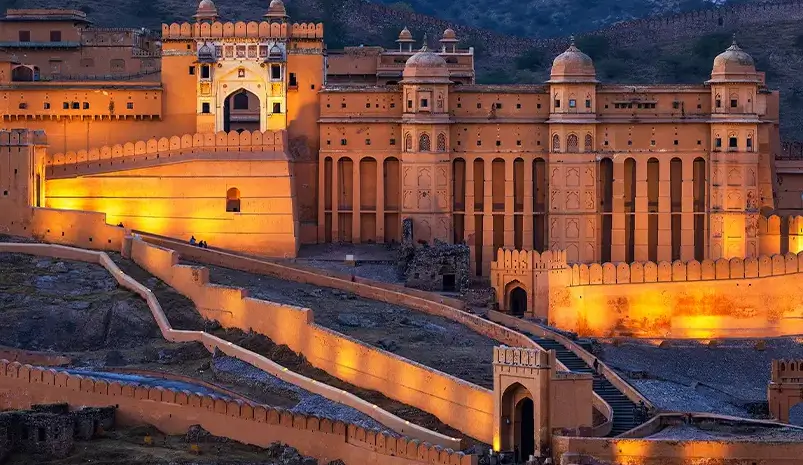
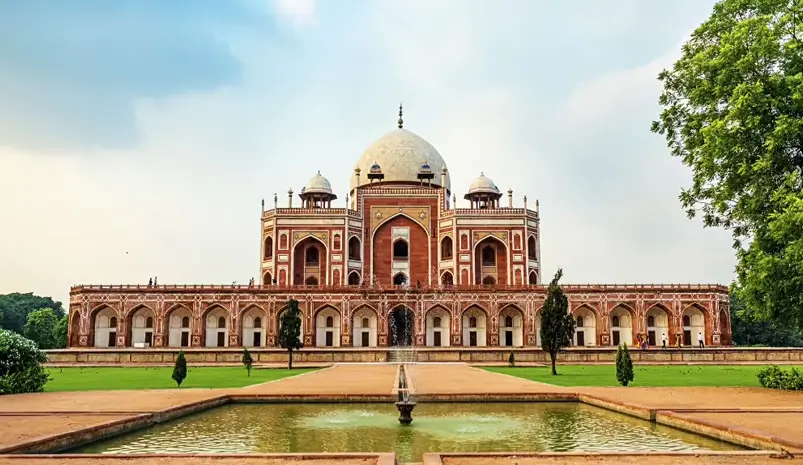
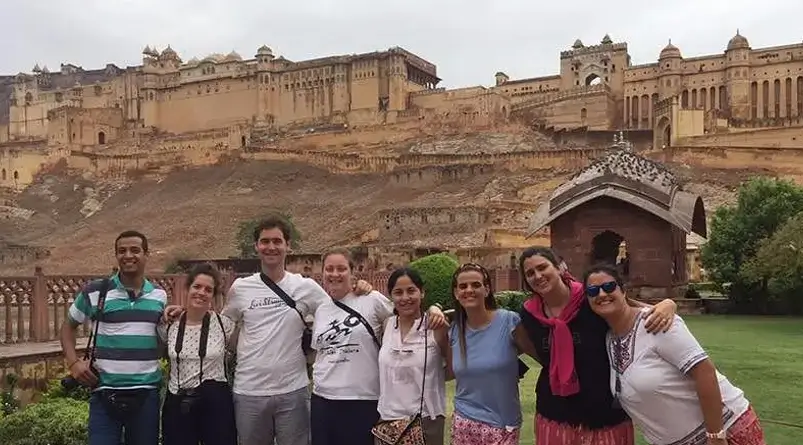
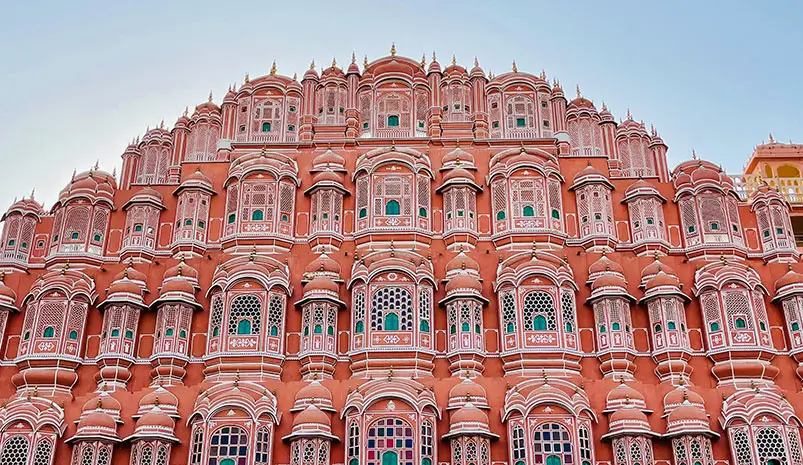
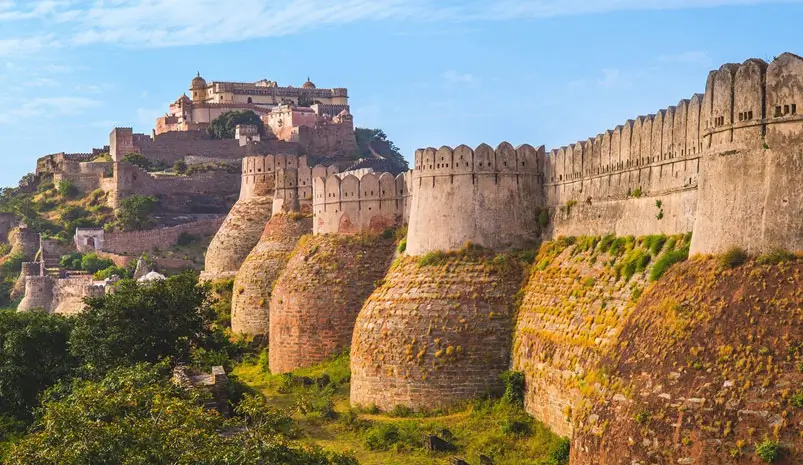
Jaipur and other parts of Rajasthan offer slightly warmer daytime temperatures compared to Delhi and Agra. This makes them particularly enjoyable for extended sightseeing. A Rajasthan winter travel experience allows visitors to explore forts, palaces, and markets comfortably.
Desert regions such as Jaisalmer experience cooler nights, adding a different dimension to the trip. Evening activities become more pleasant, creating a balanced experience.
One important aspect of winter travel is occasional fog, especially in early mornings in Delhi and Agra. While this may affect visibility for short periods, it is usually temporary and manageable with proper planning.
Overall, winter provides stable and comfortable weather conditions across the Golden Triangle and Rajasthan. A well-planned winter tour in India for foreign tourists ensures that travelers can explore without weather-related challenges.
Creating the right itinerary is crucial for maximizing the benefits of winter travel. The best India itinerary for December and January focuses on destinations that offer comfortable weather and manageable travel distances.
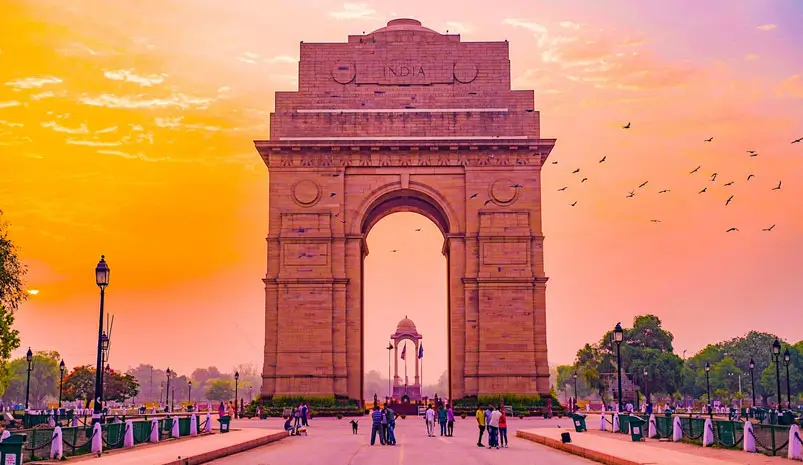
The Golden Triangle route remains the most popular choice. It includes Delhi, Agra, and Jaipur, providing a balanced introduction to India’s culture and history. This route works particularly well in winter due to favorable weather conditions.
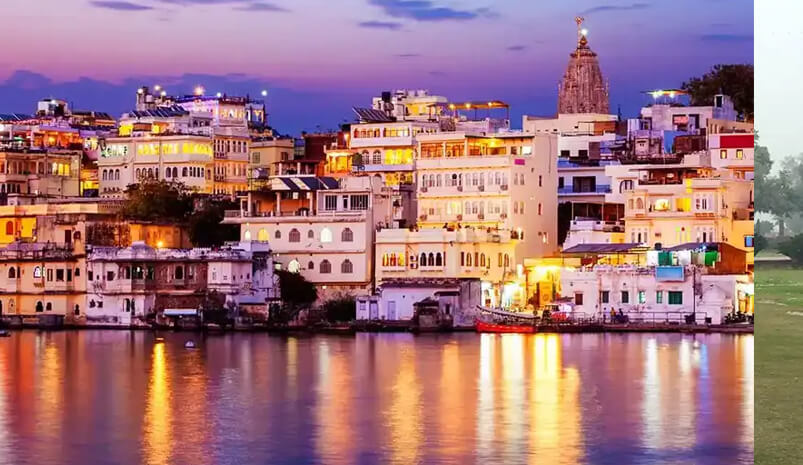
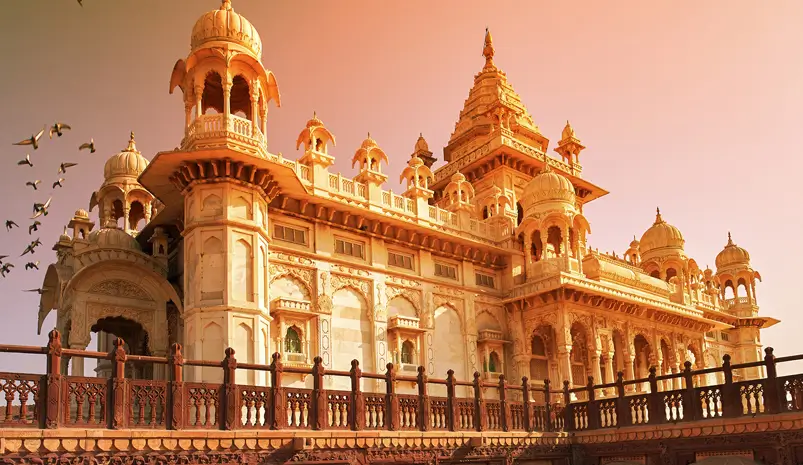
Extending the itinerary to include Rajasthan adds depth to the journey. Cities such as Udaipur and Jodhpur offer additional experiences, including lakes, palaces, and cultural activities. A Rajasthan tour in winter for foreign tourists enhances the overall trip.
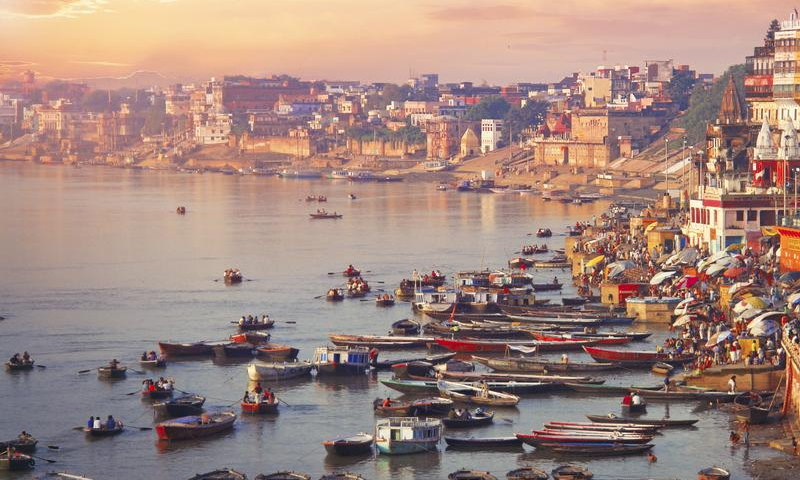
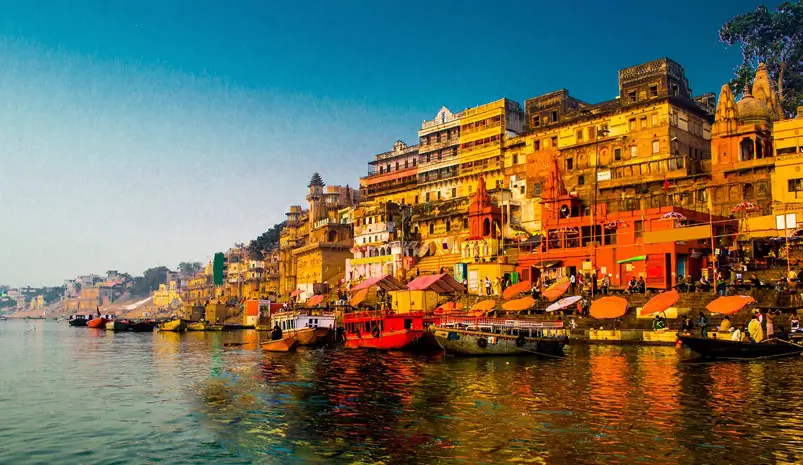
For travelers with more time, combining the Golden Triangle with destinations like Varanasi or Kerala creates a more diverse experience. However, this requires careful planning to manage travel distances.
A typical itinerary ranges between five to ten days, depending on the number of destinations included. Shorter trips focus on the Golden Triangle, while longer itineraries allow for additional cities.
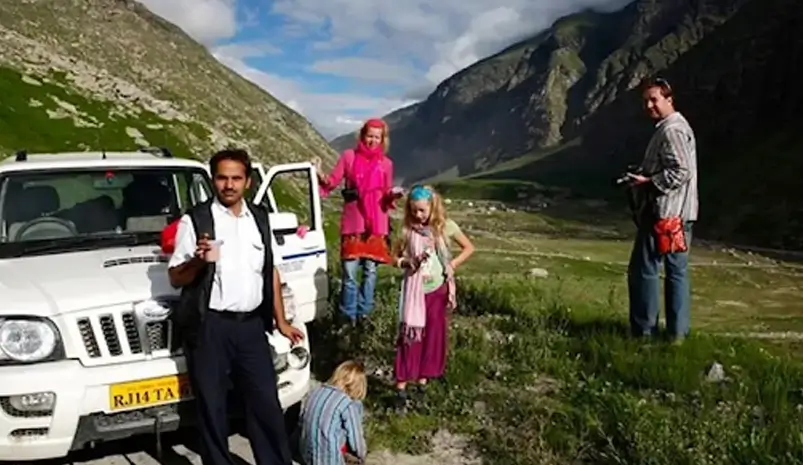
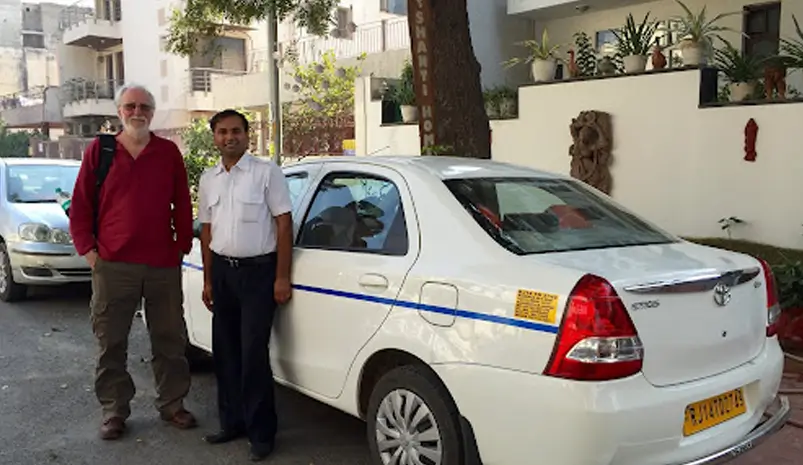
Private tours are often preferred during this season. A private India tour in winter provides flexibility, allowing travelers to adjust schedules based on personal preferences and weather conditions.
Selecting the right itinerary ensures that travelers can explore comfortably while making the most of winter conditions.
Winter is considered peak travel season in India, which affects pricing for hotels, transport, and services. Understanding the India tour cost in December and January helps travelers plan a realistic budget.
Accommodation costs are higher during this period due to increased demand. Mid-range hotels typically range between 100 to 200 USD per night, while luxury properties can exceed this range significantly. Early booking helps secure better rates.
Transportation costs also increase slightly. Flights and private car services are in high demand, leading to higher prices. A private car tour cost in India during winter reflects this demand but offers better comfort and convenience.
Food and daily expenses remain relatively stable, with costs ranging between 20 to 40 USD per day per person. Dining options are widely available, ensuring flexibility.
Sightseeing costs, including monument entry fees, remain consistent throughout the year. However, higher visitor numbers may require better time management.
A complete winter travel budget for India for mid-range travelers typically ranges between 150 to 300 USD per day per person. Luxury travel can go beyond this depending on choices.
Planning in advance is the key to managing costs. A structured approach ensures that travelers can enjoy peak season benefits without unnecessary expenses.
Trade the cold winter months for sunny landscapes, rich cultural experiences, and unforgettable adventures across India. Explore historic landmarks, vibrant markets, and breathtaking destinations with a journey tailored just for you.
For travelers visiting India for the first time, winter offers the most comfortable and predictable conditions. The best time to visit India for first-time foreign tourists often aligns with December and January due to multiple advantages.
Comfort is the primary factor. Moderate temperatures allow travelers to explore without physical strain. This is particularly important for those unfamiliar with India’s climate.
Another advantage is accessibility. Major destinations are fully operational, and travel infrastructure is well-prepared for tourists. This ensures a smoother experience compared to off-season travel.
The festive atmosphere during winter also adds to the experience. Cities are active, markets are lively, and cultural events are more frequent. This creates a vibrant environment for visitors.
Safety and convenience are enhanced during this period. Well-established travel routes and services ensure that travelers can navigate the country easily. A winter India travel experience for foreigners provides a structured and reliable environment.
Photography and sightseeing also improve due to better visibility and lighting conditions. This enhances the overall quality of the trip.
For first-time visitors, winter provides a balanced introduction to India. It allows travelers to experience the country comfortably while exploring its key highlights.
Post By :- Admin On | 12 Jun 2026
A duration of five to ten days is ideal depending on the itinerary.
Yes, increased demand often leads to higher flight prices.
Yes, these months offer comfortable weather, making them ideal for sightseeing and travel across major destinations.
Yes, winter is peak season, and hotel prices are generally higher compared to other periods.
Yes, it is one of the best routes during winter due to favorable weather conditions.
Light layers for daytime and warmer clothing for early mornings and evenings are recommended.
Yes, popular destinations can be busy, so planning and early bookings are important.
Yes, Rajasthan is one of the best regions to visit during this time.
Fog can occur in the early morning, especially in Delhi and Agra, but it is usually temporary.
Yes, it provides the most comfortable and structured travel experience.