


India is not a destination that can be understood in a few days. It is a vast country with an extraordinary mix of cultures, languages, landscapes, architectural wonders and living traditions. From the snow-covered Himalayan mountains to tropical coastlines, from centuries-old temples to grand Mughal monuments, every region offers a different travel experience. Because of this incredible diversity, international travelers often ask a very important question before planning their trip: how many days do you need to travel India?
The answer depends on several factors including the regions you wish to explore, the pace of travel you prefer, and the experiences you want to include in your itinerary. Some travelers visit India for a short cultural introduction focusing on a few iconic cities, while others spend weeks exploring multiple regions, wildlife parks, spiritual towns and coastal landscapes. Understanding how to structure the ideal India travel itinerary helps visitors make the most of their time while avoiding travel fatigue.
India’s geography is large and travel distances between major destinations can be significant. A carefully planned itinerary ensures that travelers have enough time to explore monuments, experience local culture, visit historic sites and enjoy regional cuisine without feeling rushed. This guide explains how to determine the best number of days to travel India, how different travel durations affect your experience, and how to design a journey that balances exploration, comfort and cultural immersion.
India’s immense size and cultural diversity are the primary reasons why trip duration matters when planning a visit. The country stretches across thousands of kilometers and contains numerous regions, each with its own architecture, traditions and landscapes. Traveling from one region to another can feel like entering an entirely new world.
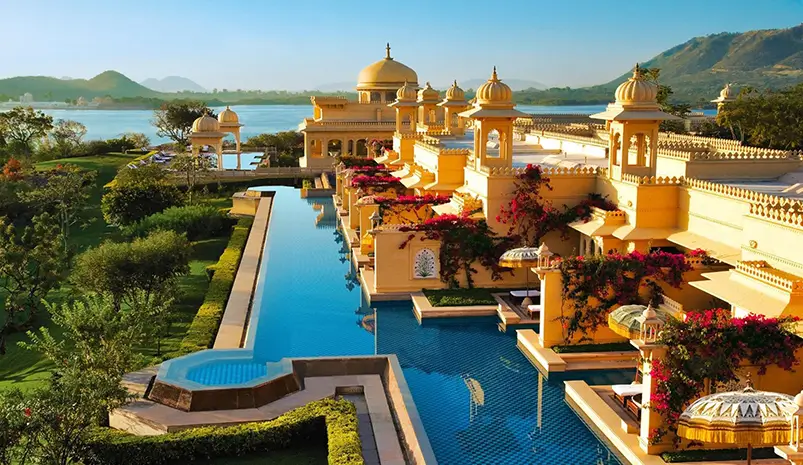
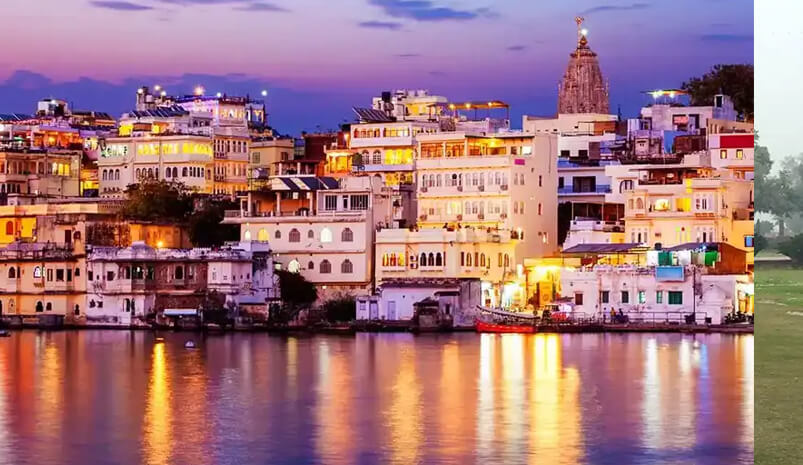
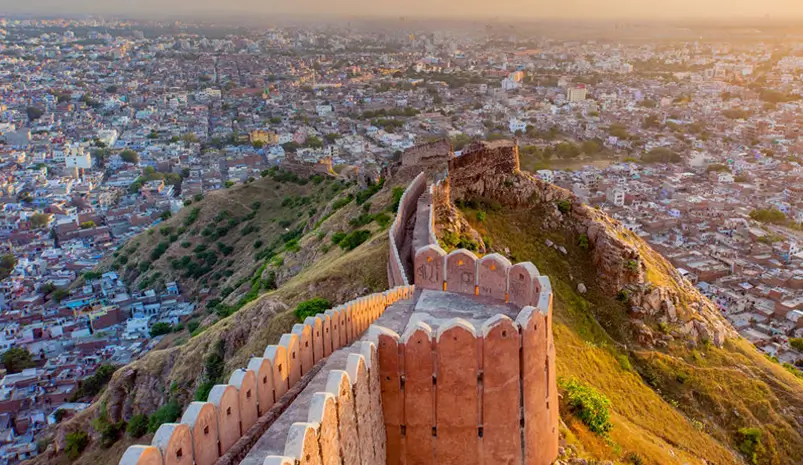
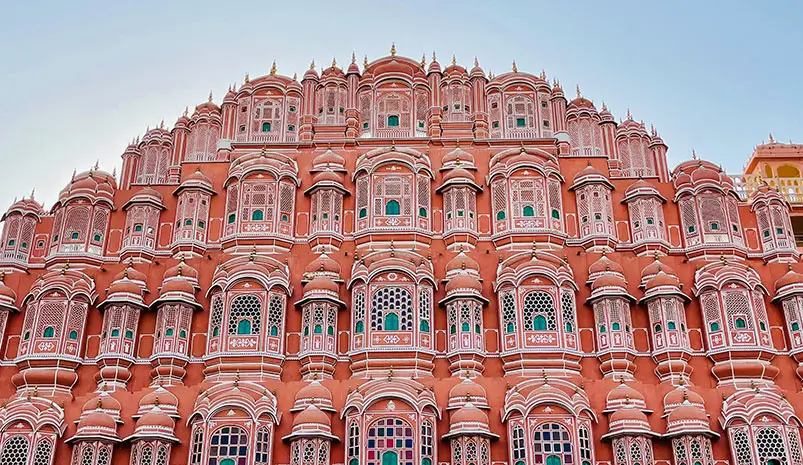
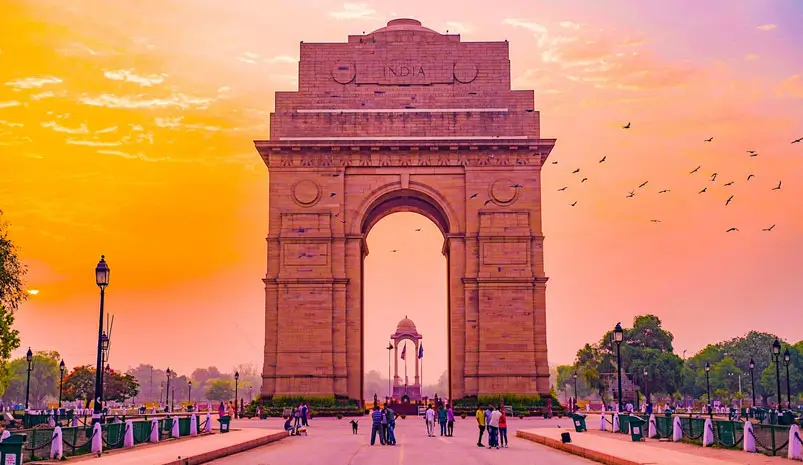
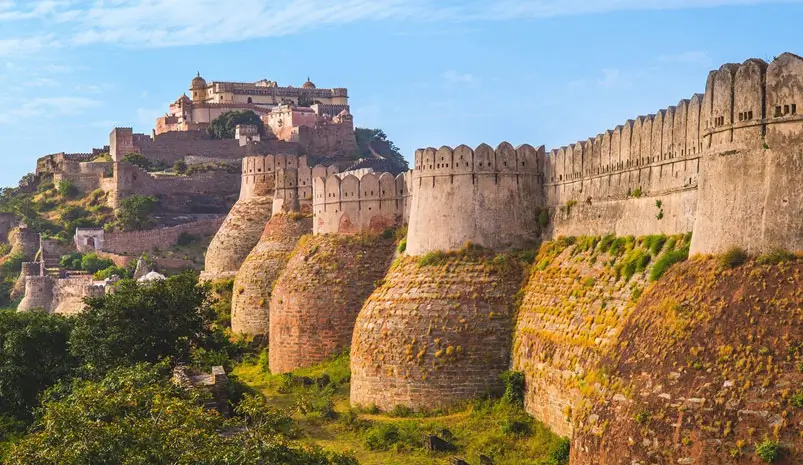
Northern India is known for its imperial monuments, royal palaces and historic cities. Travelers exploring this region often visit destinations such as Delhi, Agra and Jaipur, which together form the famous Golden Triangle India itinerary. Rajasthan offers desert landscapes, medieval forts and palace hotels that reflect the country’s royal heritage. Cities like Jodhpur and Udaipur reveal centuries of Rajput architecture and cultural traditions.
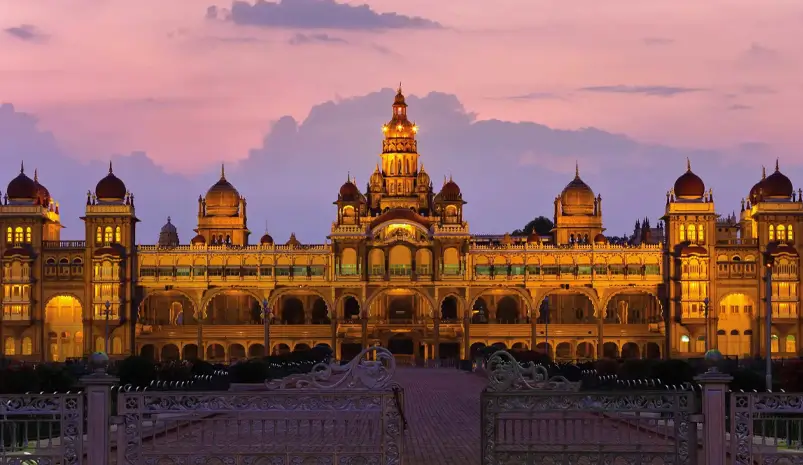
Southern India presents a completely different environment with lush green hills, tropical backwaters and coastal landscapes. Kerala’s serene waterways, Tamil Nadu’s ancient temple complexes and Karnataka’s heritage cities highlight the diversity of southern culture and history. Travelers exploring this region often choose a South India private tour with car and driver to experience its landscapes comfortably.
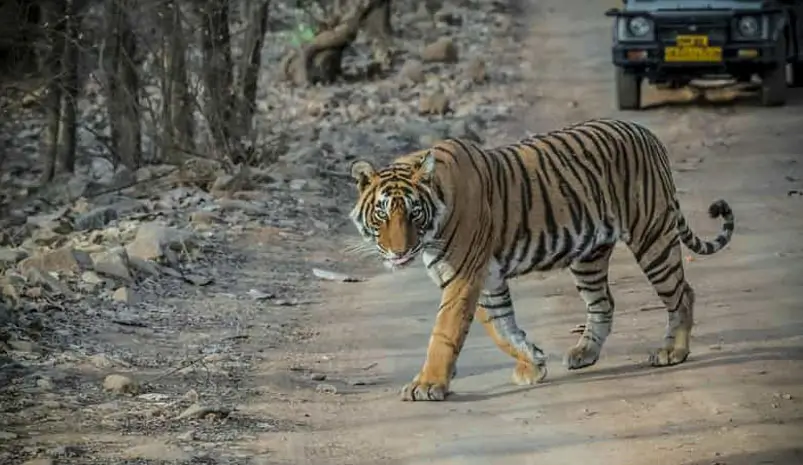
Eastern India is home to spiritual destinations such as Varanasi and Bodh Gaya, where centuries-old traditions continue to shape daily life. Meanwhile, central India offers wildlife reserves such as Ranthambore and Bandhavgarh, where travelers can experience thrilling India wildlife safaris in search of Bengal tigers.
Because of this enormous diversity, understanding how long to travel India becomes an important part of planning a successful journey. Trying to explore too many regions within a short timeframe can make travel exhausting. Instead, focusing on specific regions allows visitors to appreciate the depth of India’s history and culture.
Whether you have a week or a month, we help you create a balanced itinerary with the best destinations and experiences.
Chat On WhatsApp Contact UsMany international travelers begin their journey to India with a shorter visit focused on the country’s most iconic landmarks. Even a limited timeframe can provide a meaningful introduction to Indian culture if the itinerary is planned carefully.
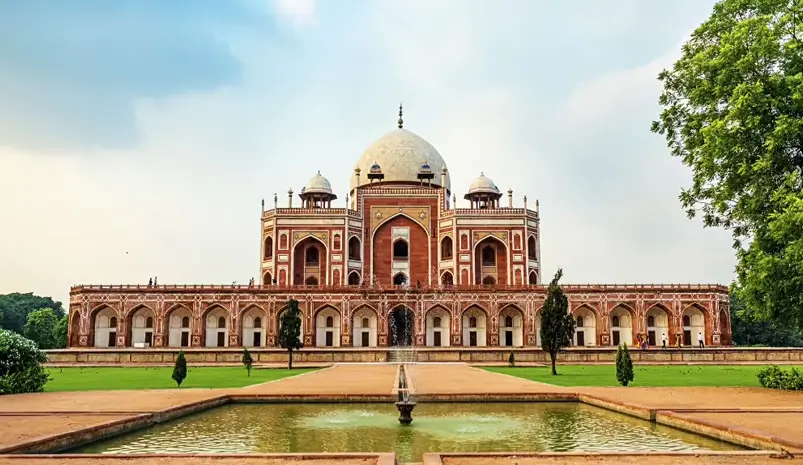
One of the most popular options for a shorter journey is the Golden Triangle tour in India, which connects the historic cities of Delhi, Agra and Jaipur. This route offers a remarkable overview of India’s architectural heritage and royal history. Delhi introduces travelers to both ancient and modern India, where Mughal monuments stand alongside bustling markets and contemporary city life.
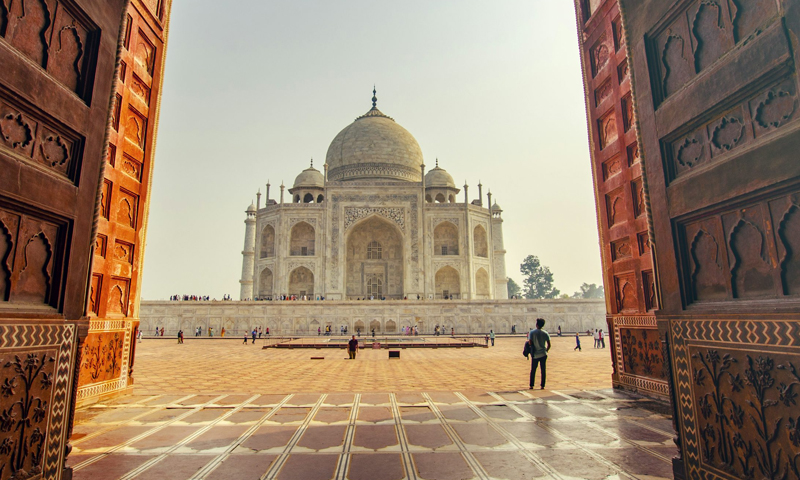
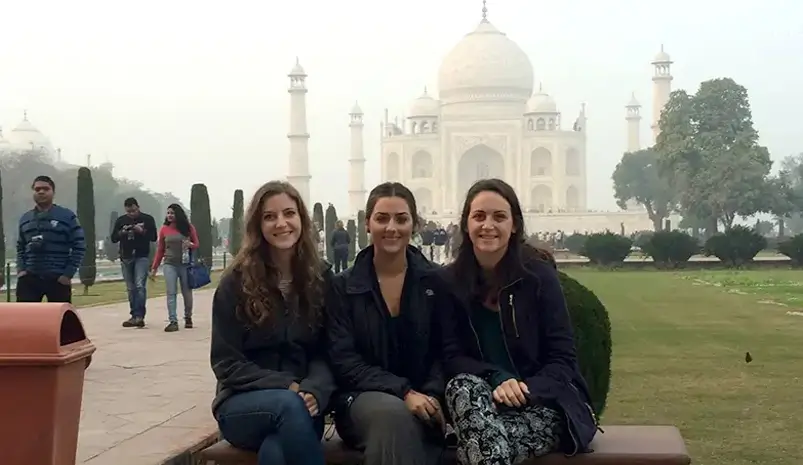
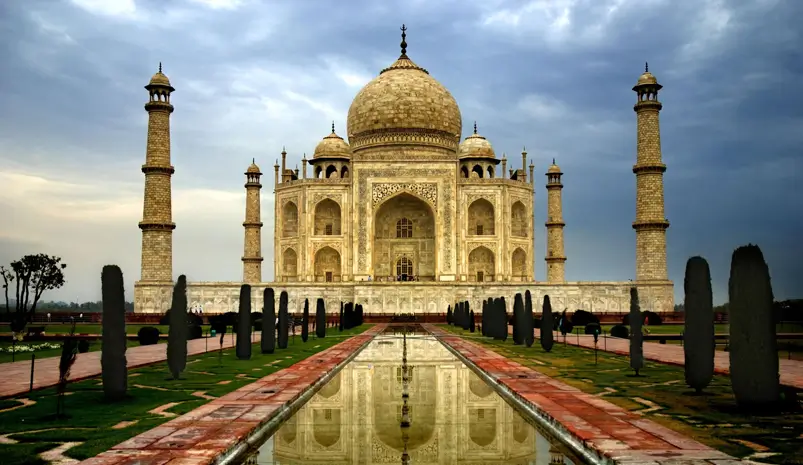
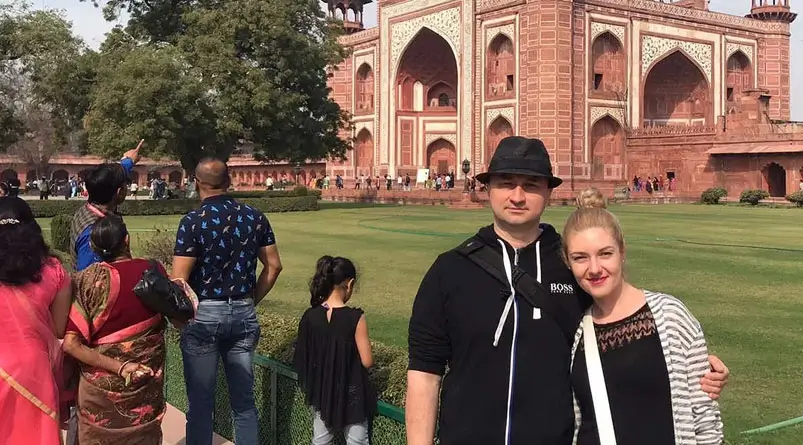
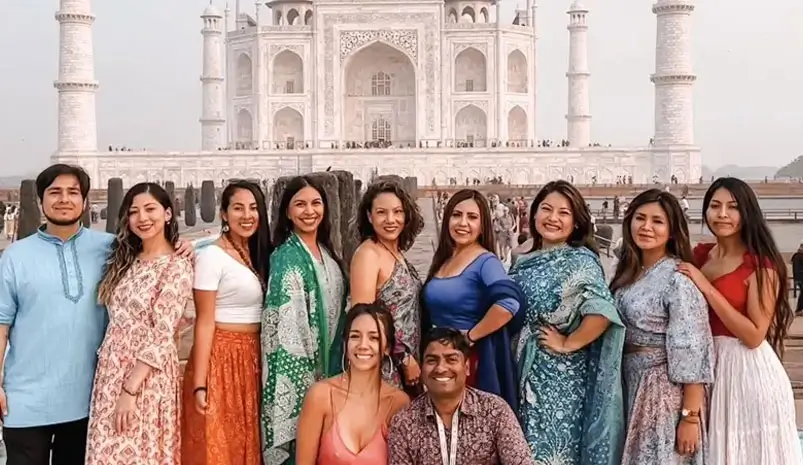
Agra is home to the world-famous Taj Mahal, a masterpiece of Mughal architecture that attracts visitors from around the globe. Watching the sunrise over the marble monument is considered one of the most memorable experiences in India. Jaipur, the capital of Rajasthan, adds a royal dimension to the journey with grand forts, ornate palaces and vibrant traditional bazaars.
Although a shorter itinerary focuses on fewer destinations, it still offers opportunities to experience Indian cuisine, explore local markets and learn about the country’s fascinating history. Travelers can visit historic sites, enjoy cultural performances and experience the atmosphere of traditional neighborhoods.
Short trips work particularly well for first-time visitors who want a structured introduction to India without covering long travel distances. By focusing on a specific region, travelers can enjoy a balanced schedule that combines sightseeing with cultural experiences.
Travelers who have more time often expand their itinerary beyond the classic Golden Triangle route. A medium-length journey allows visitors to explore additional destinations and experience greater cultural diversity across different regions.
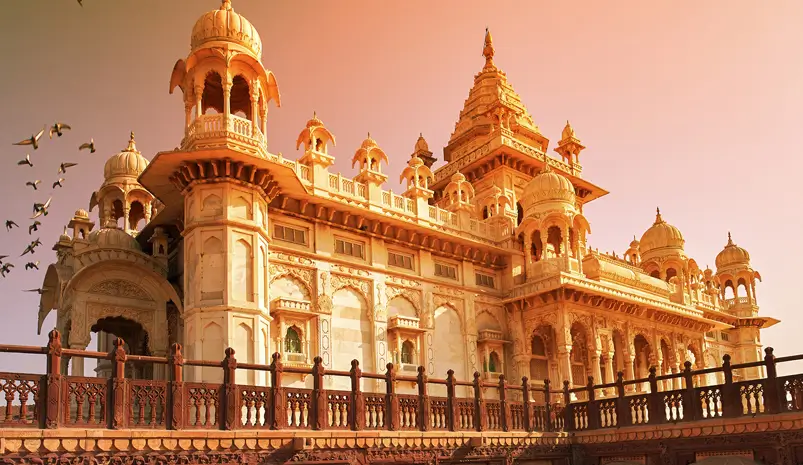
Adding cities such as Udaipur or Jodhpur to the itinerary introduces travelers to Rajasthan’s royal heritage in greater depth. Udaipur’s lakeside palaces create one of the most romantic landscapes in India, while Jodhpur’s towering Mehrangarh Fort offers spectacular views over the blue-painted houses of the old city.
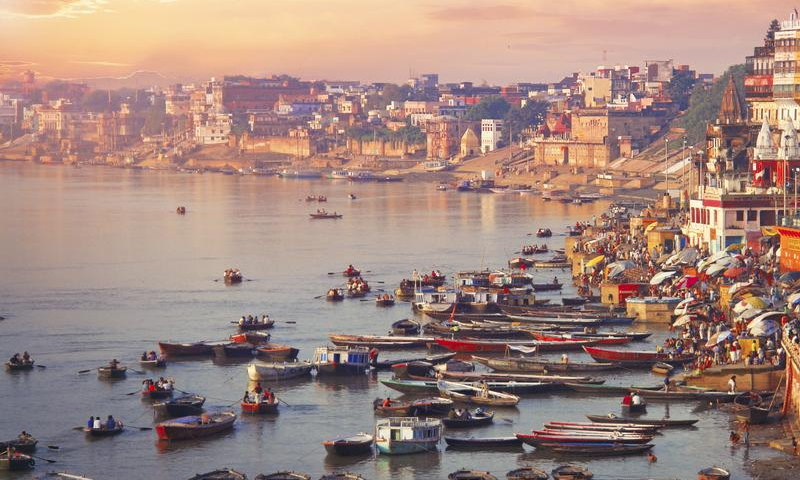
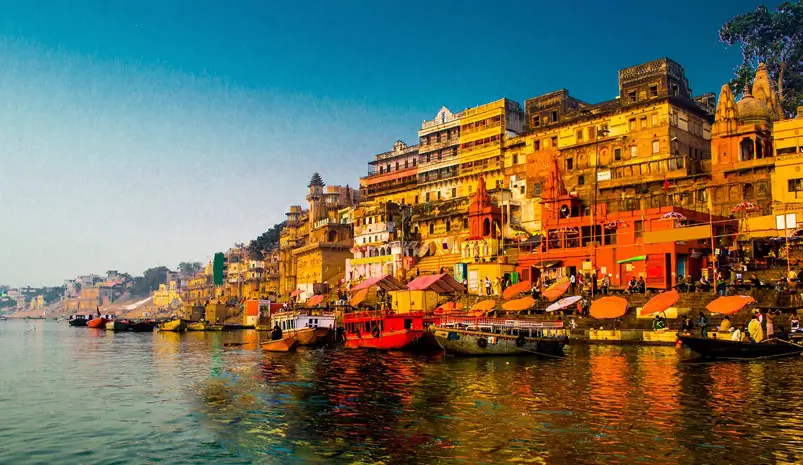
Spiritual destinations such as Varanasi provide a completely different perspective on India. The ancient city is known for its sacred ghats along the Ganges River, where pilgrims perform rituals that have continued for centuries. Witnessing the evening Ganga Aarti ceremony along the riverbanks is a profound cultural experience that many travelers remember long after their journey ends.
Medium-length trips also allow travelers to include wildlife experiences in their itinerary. Visiting national parks such as Ranthambore offers the chance to encounter Bengal tigers, leopards and other wildlife species in their natural habitat. These safaris add an adventurous dimension to a cultural journey across India.
By combining historic cities, spiritual destinations and wildlife experiences, travelers can create a rich and varied itinerary that reveals multiple aspects of Indian life.
who have the opportunity to spend a longer period exploring India often experience the country in much greater depth. Extended journeys allow visitors to move beyond famous landmarks and discover regional cultures, landscapes and traditions that are rarely experienced during shorter trips.
Some travelers combine northern India with southern destinations to create a diverse cross-country journey. After exploring the palaces and forts of Rajasthan, travelers may continue south to Kerala’s tranquil backwaters or the hill stations of Munnar and Ooty. These destinations offer cooler climates, scenic landscapes and a relaxed atmosphere compared to India’s bustling northern cities.
Extended travel also allows visitors to explore India’s spiritual and wellness traditions. Many travelers visit Rishikesh for yoga retreats or Kerala for Ayurveda therapies that focus on natural healing practices. These experiences provide a deeper understanding of India’s philosophical and cultural traditions.
Longer journeys offer the freedom to slow down and spend more time in each destination. Travelers can explore rural villages, interact with local communities and experience regional cuisine that varies from one state to another.
Exploring India at a relaxed pace often leads to more meaningful encounters and a stronger connection with the country’s cultural heritage.
Avoid travel fatigue and make the most of your journey. Let our experts design a well-paced itinerary tailored to your interests.
Chat On WhatsApp Contact UsThe pace of travel plays a crucial role in determining the ideal India trip duration. India is filled with incredible attractions, but trying to visit too many destinations within a short timeframe can lead to travel fatigue.
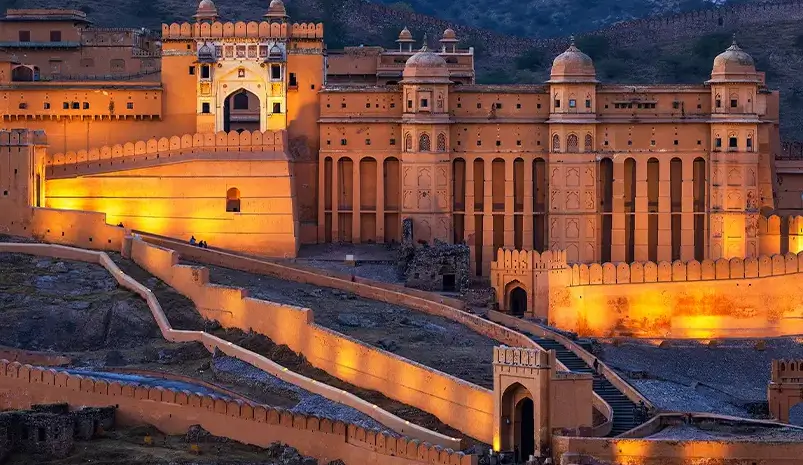
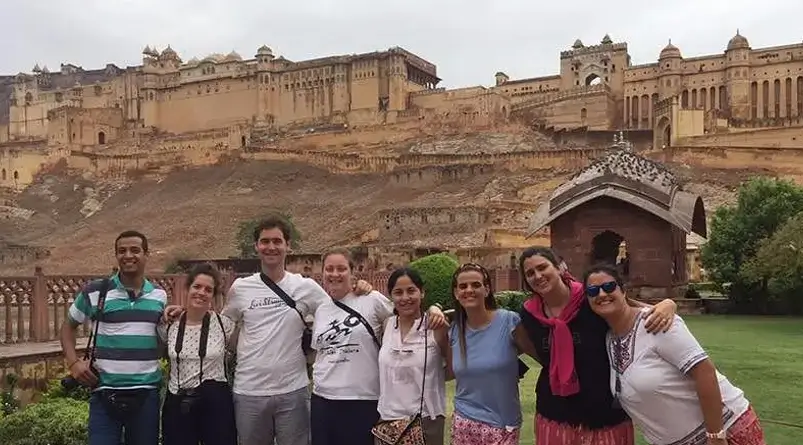
A well-designed itinerary balances sightseeing with time to relax and absorb the atmosphere of each place. Visiting monuments such as the Taj Mahal or Amber Fort becomes far more meaningful when travelers have time to explore surrounding neighborhoods and cultural sites.
Travelers who prefer a slower pace often spend additional time in each destination. This allows them to enjoy local markets, traditional performances and regional cuisine without rushing between attractions.
Including rest days within an itinerary is also beneficial. These moments provide opportunities to reflect on experiences, explore neighborhoods casually and interact with local residents.
By maintaining a comfortable travel pace, visitors can appreciate the richness of India’s culture while avoiding the exhaustion that sometimes accompanies long journeys.
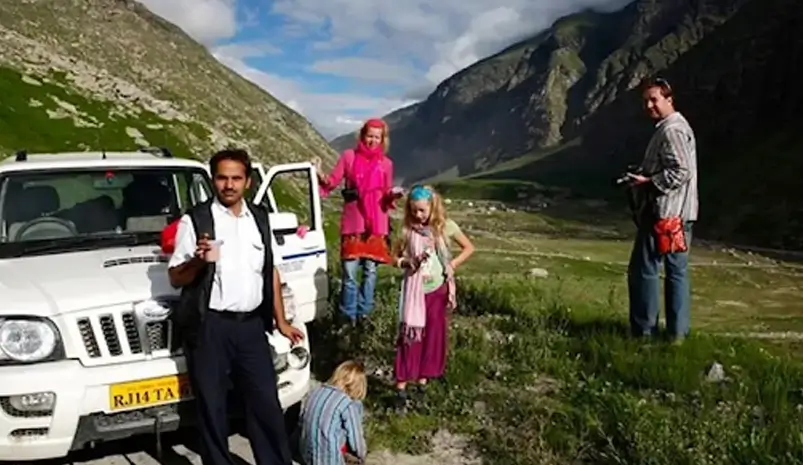
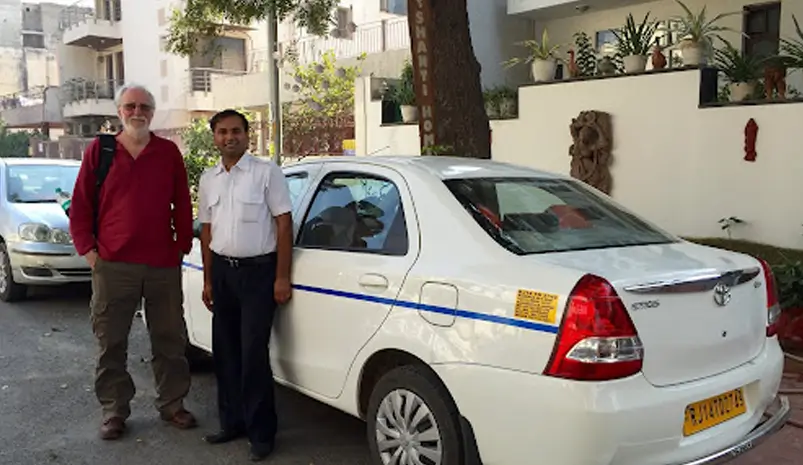
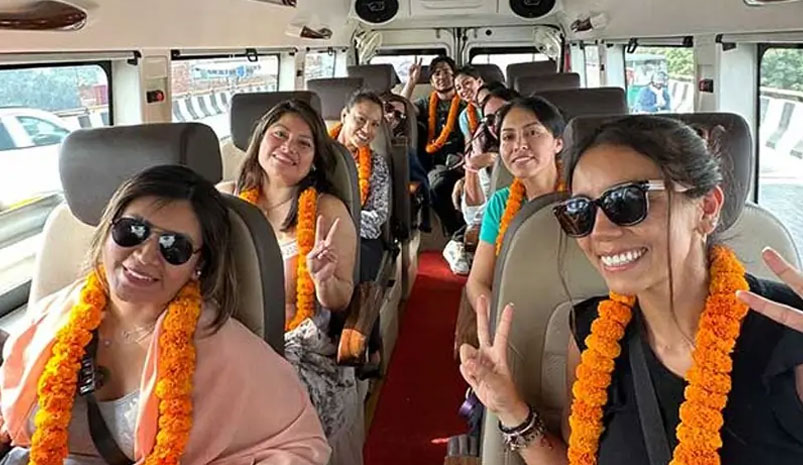
Transportation planning is another important factor when deciding how many days to spend traveling in India. Many international visitors prefer exploring the country with a private driver in India, which provides flexibility and convenience throughout the journey.
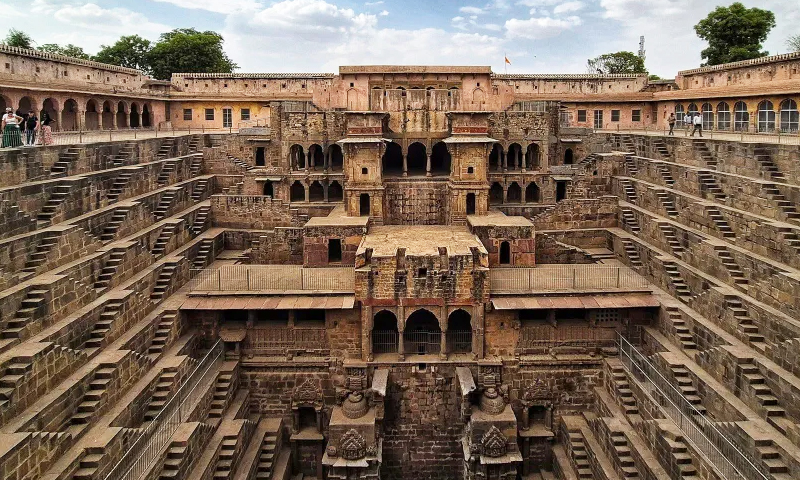
Traveling with a private vehicle allows visitors to move comfortably between cities while enjoying scenic landscapes along the way. Drivers familiar with regional routes can suggest interesting stops such as historic stepwells, rural villages or hidden temples that may not appear in typical travel guides.
A private car and driver tour in India also allows travelers to adjust their schedule according to personal interests. Instead of following rigid transport timetables, visitors can spend more time exploring places that capture their curiosity.
The number of days needed to travel India also depends on the traveler’s interests. India offers experiences that appeal to many different travel styles, and selecting destinations aligned with personal preferences helps create a more rewarding journey.
History enthusiasts often focus on exploring historic monuments, royal palaces and ancient temples. Cities such as Delhi, Jaipur and Khajuraho showcase architectural masterpieces that span several centuries.
Nature lovers may choose itineraries that include mountain landscapes, wildlife reserves and coastal destinations. National parks provide opportunities for wildlife photography and safari experiences, while hill stations offer cooler climates and scenic views.
Travelers interested in spiritual traditions often visit pilgrimage sites such as Varanasi, Bodh Gaya or Rishikesh. These destinations provide insight into India’s religious heritage and philosophical traditions.
By choosing destinations that match personal interests, travelers can design a journey that feels meaningful rather than rushed.
India rewards travelers who take the time to explore its cultural depth and regional diversity. A well-planned itinerary allows visitors to experience historic monuments, vibrant traditions and natural landscapes without feeling overwhelmed.
Whether exploring Mughal architecture in Agra, watching sunset over Udaipur’s lakes or witnessing sacred rituals along the Ganges River, each destination reveals a different dimension of India’s identity.
Planning the right duration for your journey ensures that these experiences can be enjoyed fully. Rather than trying to see everything in one trip, focusing on selected regions allows travelers to appreciate the richness and complexity of India’s heritage.
With thoughtful planning and a balanced itinerary, travelers can create an unforgettable journey across one of the world’s most captivating destinations.
Post By :- Admin On | 02 Apr 2026
Travelers can contact Mr. Bhagwan Soni at INDIA WORLD WIDE TRAVEL via +91-9413901196 or info@indiaworldwidetravel.com for personalized travel planning and private tours.
Yes, many travelers return to India several times to explore different regions in greater depth.
Many travelers prefer hiring a local tour guide in India to better understand historical monuments and cultural traditions.
Cities such as Jaipur, Varanasi and Udaipur offer strong cultural traditions and historic landmarks.
With proper planning and reliable transportation, India can be an extremely rewarding destination for international travelers.
Yes, longer itineraries often combine northern and southern destinations to experience India’s cultural diversity.
Many visitors prefer a private car and driver in India, which allows comfortable travel between cities while exploring local attractions along the way.
Yes, shorter trips work well when travelers focus on specific regions rather than attempting to explore the entire country.
Many international visitors choose itineraries focused on the Golden Triangle India route, which provides a cultural introduction to Delhi, Agra and Jaipur.
India attracts travelers interested in history, culture, spirituality, wildlife and diverse landscapes.