



Understanding the Golden Triangle tour cost for international tourists is not as simple as checking a single price online. The reality is that the cost varies based on travel style, comfort level, and how the itinerary is structured. Many travelers either underestimate the budget or get confused by unrealistic pricing shown on websites. A clear and practical breakdown helps in setting the right expectations before planning the journey.
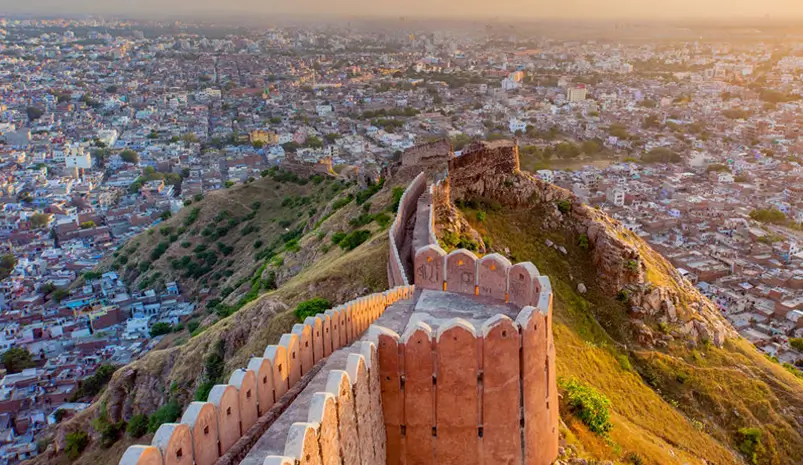
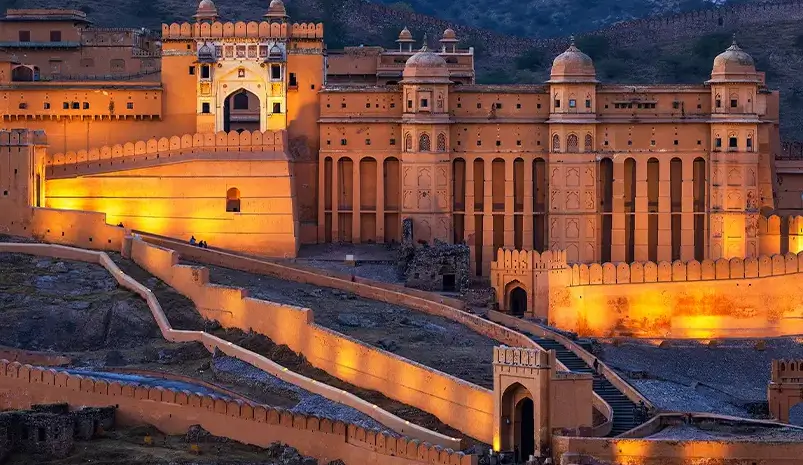
The Golden Triangle route, covering Delhi, Agra, and Jaipur, is one of the most structured travel circuits in India. It offers a combination of history, architecture, and cultural exposure, making it ideal for first-time visitors. However, the overall cost depends on how the trip is organized. A private Golden Triangle tour by car will naturally cost more than a shared group tour, but it provides significantly better comfort and flexibility.
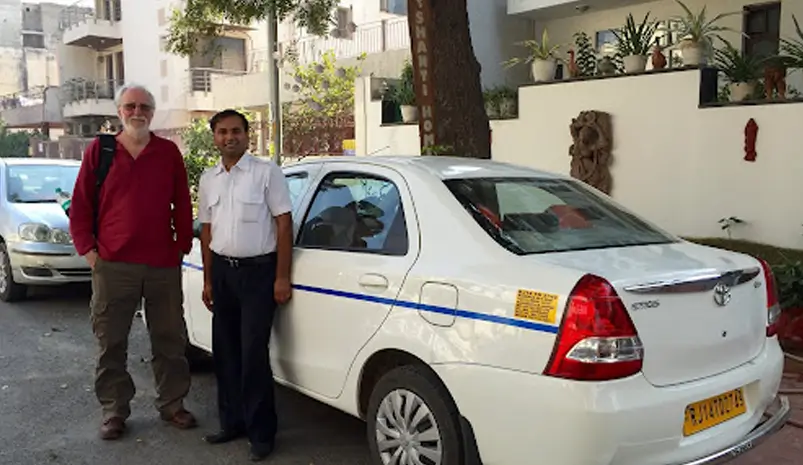
Accommodation plays a major role in defining the daily cost. Mid-range hotels offer a balance between comfort and affordability, while luxury hotels increase the overall budget considerably. Similarly, transportation choices influence pricing. Hiring a private driver for Golden Triangle tour ensures smooth travel but adds to the daily expense.
Another important factor is duration. A shorter itinerary may seem cheaper overall, but the daily cost can actually be higher because activities are compressed into fewer days. On the other hand, longer itineraries spread the cost more evenly and allow a more relaxed experience.
Food, entry tickets, and guide services are additional components that should not be ignored. These costs may appear small individually, but they contribute significantly to the total budget. A realistic Golden Triangle travel budget always includes these elements.
For international travelers, the key is not to look for the cheapest option but to focus on value. A well-planned tour ensures comfort, safety, and a better overall experience. Understanding where the money goes helps in making informed decisions and avoiding unnecessary compromises.
Explore the iconic cities of Delhi, Agra, and Jaipur with a customized Golden Triangle tour designed for international travelers. Enjoy private transportation, expert guides, and unforgettable cultural experiences across India's most famous destinations.
A 3-day Golden Triangle tour is designed for travelers with limited time. While it covers the key highlights, it is a fast-paced itinerary that requires efficient planning. The 3 day Golden Triangle tour cost for foreigners tends to be higher on a per-day basis because the schedule is compressed.
In a typical 3-day plan, Delhi, Agra, and Jaipur are covered with minimal downtime. This means longer travel hours and tightly packed sightseeing schedules. Private transportation becomes essential in this case, as it allows better control over timing. A Golden Triangle 3 day private tour cost usually includes a dedicated vehicle, driver, and basic sightseeing.
Accommodation for this duration is often limited to two nights, usually in Agra and Jaipur. Mid-range hotels for this category typically cost between 80 to 150 USD per night, while luxury options can go beyond 250 USD. Since the trip is short, travelers often prefer better hotels to maintain comfort.
Transportation costs remain a major component. A private car for three days generally costs between 180 to 300 USD, depending on the vehicle type. This includes fuel, driver allowance, and basic expenses. Dividing this cost among travelers makes it more manageable.
Sightseeing expenses include entry tickets for monuments such as the Taj Mahal and forts in Jaipur. For international tourists, these tickets are higher compared to local rates. On average, travelers may spend around 30 to 50 USD on entry fees during the trip.
Meals and personal expenses add another layer to the budget. A comfortable dining experience costs around 15 to 25 USD per day per person. While this is optional, it contributes to the overall Golden Triangle 3 day tour price.
When combined, the total cost for a 3-day tour typically ranges between 350 to 700 USD per person for a mid-range experience. Luxury options can go significantly higher depending on hotel selection and services included.
This itinerary works best for travelers who want a quick overview of India’s key highlights. However, it requires a willingness to maintain a faster pace throughout the journey.
A 5 to 7 day itinerary is considered the most practical and comfortable option for exploring the Golden Triangle. It allows travelers to experience each destination without rushing, making it the preferred choice for most international visitors. The Golden Triangle tour cost for 5 to 7 days offers better value compared to shorter itineraries.
With additional days, the pace becomes more relaxed. Travelers can spend more time in each city, explore attractions properly, and include optional experiences. This reduces fatigue and enhances the overall experience. A 5 day Golden Triangle tour cost typically spreads expenses more evenly, making it more cost-effective on a daily basis.
Accommodation for this duration includes multiple nights across Delhi, Agra, and Jaipur. Mid-range hotels continue to be the most popular choice, with prices ranging between 80 to 150 USD per night. Luxury travelers may opt for premium properties, increasing the overall budget.
Transportation remains similar to shorter itineraries but is spread across more days. A private car for 5 to 7 days generally costs between 300 to 600 USD, depending on the route and vehicle type. This cost becomes more economical when divided over a longer duration.
Sightseeing becomes more detailed in this itinerary. In addition to major attractions, travelers can include cultural experiences, local markets, and optional stops. Entry fees and guide services typically cost between 50 to 100 USD for the entire trip.
Meals and daily expenses remain consistent, averaging around 20 to 40 USD per day per person. This includes dining at good restaurants and occasional refreshments.
The total Golden Triangle 7 day tour cost for international tourists usually falls between 700 to 1300 USD per person for a mid-range experience. Luxury tours can exceed this range depending on hotel and service choices.
This duration offers the best balance between cost, comfort, and experience. It allows travelers to enjoy the journey without feeling rushed, making it the most recommended option.
An extended itinerary covering 8 to 10 days transforms the journey from a standard sightseeing trip into a more immersive and comfortable experience. This duration allows travelers to not only explore Delhi, Agra, and Jaipur in detail but also include nearby destinations such as Udaipur, Ranthambore, or Varanasi. The Golden Triangle tour cost for 8 to 10 days is higher overall, but the daily value improves significantly because the experience becomes more relaxed and well-paced.
One of the biggest advantages of a longer itinerary is flexibility. Travelers are not forced to move quickly between cities, which reduces fatigue and allows time for deeper exploration. A Golden Triangle extended tour cost includes more nights in each destination, better hotel options, and the ability to include cultural experiences that shorter trips often miss.
Accommodation becomes a defining factor at this stage. Many travelers upgrade to boutique or heritage properties when staying longer, especially in cities like Jaipur and Udaipur. Mid-range hotels for this duration typically cost between 90 to 160 USD per night, while luxury stays can easily range between 250 to 500 USD per night. This choice significantly impacts the Golden Triangle luxury tour cost.
Transportation costs increase slightly due to longer distances and additional destinations. A private car for 8 to 10 days generally costs between 500 to 900 USD depending on the vehicle type and route. However, the comfort of having a dedicated driver throughout the journey ensures that travel remains smooth and stress-free.
Sightseeing expenses also expand with a longer itinerary. Additional cities mean more entry tickets, guided tours, and optional experiences. Travelers can expect to spend around 80 to 150 USD on attractions and guides over the entire trip. This allows for a more comprehensive Golden Triangle travel experience for foreign tourists.
Meals and personal expenses remain consistent, averaging between 20 to 40 USD per day per person. With more time available, travelers often explore better dining options, adding to the overall experience.
The total Golden Triangle 10 day tour cost for international tourists typically ranges between 1100 to 2200 USD per person for a mid-range experience, while luxury itineraries can exceed this range. This duration is ideal for those who want to explore India in a more relaxed and immersive way without rushing through destinations.
To understand the Golden Triangle tour cost breakdown, it is important to look at each component individually. This helps travelers plan accurately and avoid unexpected expenses during the trip.
Accommodation is usually the largest expense. Mid-range hotels cost between 80 to 150 USD per night, while luxury properties can go significantly higher. The choice of hotel directly influences the overall budget and travel experience.
Transportation is the second major cost. A private car for Golden Triangle tour typically costs between 50 to 120 USD per day depending on the vehicle type. This includes driver charges, fuel, and basic expenses. For longer itineraries, the total cost increases but becomes more economical per day.
Guide services are optional but highly recommended. Professional guides usually charge between 20 to 50 USD per day. They enhance the experience by providing historical context and helping navigate attractions efficiently.
Entry tickets for monuments are fixed costs for international tourists. The Taj Mahal is the most expensive, followed by forts and palaces in Jaipur and Delhi. On average, travelers spend between 30 to 80 USD on entry fees depending on the number of sites visited.
Meals and daily expenses add another layer to the budget. A comfortable daily food cost ranges between 20 to 40 USD per person. This includes meals at good restaurants and basic refreshments.
There are also smaller expenses that travelers often overlook. These include tips, bottled water, local shopping, and optional activities. While individually small, they contribute to the overall Golden Triangle travel cost for foreigners.
A realistic approach to budgeting includes all these components. Transparency in pricing ensures that travelers are prepared and can enjoy the trip without financial surprises.
Experience India's rich history, magnificent architecture, and vibrant culture with a tailor-made travel itinerary. From iconic landmarks to authentic local experiences, enjoy a seamless and memorable adventure crafted just for you.
Many travelers look for ways to optimize their budget without affecting the quality of their trip. Reducing the Golden Triangle tour cost for international tourists does not mean choosing the cheapest options; it means making smarter decisions that maintain comfort while controlling expenses.
One effective approach is selecting mid-range hotels instead of luxury properties. These hotels offer good comfort, reliable service, and better value for money. They allow travelers to maintain quality without significantly increasing the budget.
Traveling in small groups is another way to reduce costs. Sharing a private car for Golden Triangle tour divides transportation expenses among travelers, making it more economical per person. This approach works well for couples or small groups.
Planning the itinerary efficiently also helps. Avoiding unnecessary long-distance travel and focusing on key destinations reduces fuel costs and travel time. A well-structured Golden Triangle itinerary ensures that resources are used effectively.
Booking services in advance often results in better pricing. Hotels, transport, and guided tours are usually more affordable when reserved early. This also ensures availability during peak travel periods.
Choosing the right duration is equally important. A slightly longer trip may appear more expensive overall, but it reduces daily costs and improves comfort. Balancing duration with budget creates a better travel experience.
Another factor is flexibility. Travelers who are open to adjusting travel dates or hotel choices often find better deals. A flexible Golden Triangle travel plan allows for cost optimization without compromising on key experiences.
Smart planning ensures that travelers get the best value for their money. The goal is not to minimize cost at the expense of comfort but to create a balanced journey that meets both budget and expectations.
Post By :- Admin On | 01 Jun 2026
Food is relatively affordable, with daily costs ranging between 20 to 40 USD per person. This includes meals at good quality restaurants and basic refreshments.
In most cases, entry tickets are not included and must be purchased separately. The cost varies depending on the monument, with the Taj Mahal being the most expensive. Travelers should budget around 30 to 80 USD for entry fees during the trip.
The average cost depends on the duration and level of comfort. A mid-range tour typically ranges between 700 to 1500 USD per person for a 5 to 7 day itinerary. Shorter trips may cost less overall but have a higher daily expense, while longer itineraries provide better value per day. Luxury tours can exceed this range depending on hotel choices and services included
A private tour is more expensive than a group tour, but it offers significantly better flexibility, comfort, and personalization. Travelers can control their schedule, choose preferred hotels, and travel at their own pace. This makes it a preferred option for those who value convenience and a more tailored experience.
A private car usually costs between 50 to 120 USD per day depending on the vehicle type. This includes driver charges, fuel, and basic expenses. For longer trips, the total cost increases but becomes more economical when spread over multiple days.
A 5 to 7 day itinerary is considered ideal as it balances travel time, sightseeing, and comfort. It allows enough time to explore each city without rushing while maintaining a reasonable budget.
Yes, choosing mid-range hotels, sharing transportation, and booking services in advance can help reduce costs. Planning the itinerary efficiently also ensures better use of resources without compromising the experience.
Food is relatively affordable, with daily costs ranging between 20 to 40 USD per person. This includes meals at good quality restaurants and basic refreshments.
Guides are not mandatory but highly recommended. They provide valuable insights into history and culture, making the experience more meaningful and easier to navigate.
Yes, prices for hotels and services can increase during peak travel periods. Booking in advance helps manage costs and ensures availability.