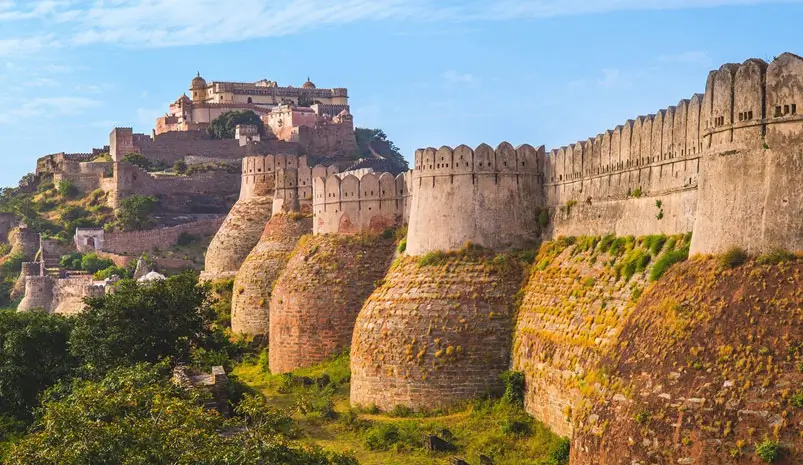



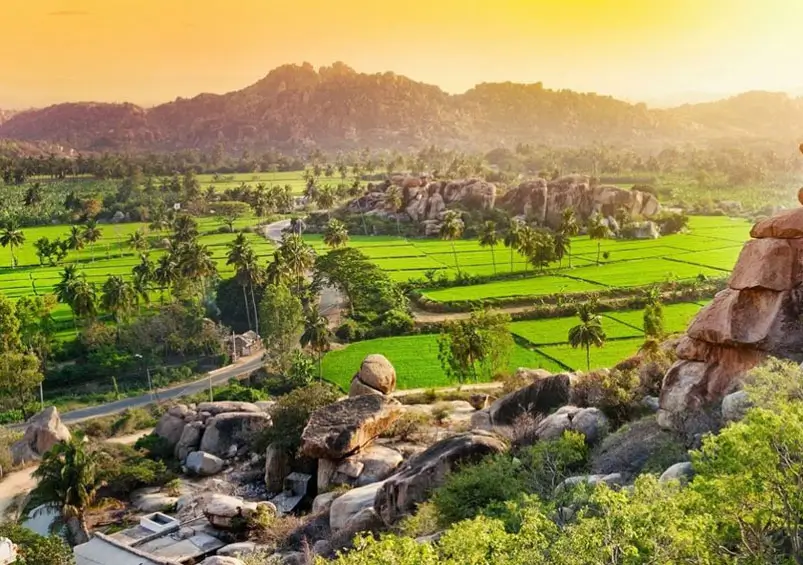
Eco-tourism in India has evolved into a meaningful way of traveling that focuses on preserving nature, supporting local communities, and creating responsible travel experiences. Unlike conventional tourism, which often prioritizes convenience and scale, eco-tourism emphasizes balance between exploration and conservation. Travelers who choose this approach are not only discovering destinations but also contributing to their sustainability. Exploring eco-tourism in India allows visitors to engage with landscapes, wildlife, and cultures in a way that is both respectful and enriching.
For international travelers from the USA, UK, and Europe, eco-tourism in India offers a unique opportunity to experience the country beyond its popular attractions. The diversity of ecosystems—from dense forests and wildlife reserves to coastal regions and rural villages—creates a wide range of sustainable travel experiences. These destinations are often less crowded, providing a more peaceful and immersive environment.
A well-planned sustainable travel experience in India ensures that travelers can explore responsibly while maintaining comfort and quality. Luxury eco-lodges, curated village experiences, and guided nature tours provide a balance between sustainability and convenience, making eco-tourism accessible to a broader audience.
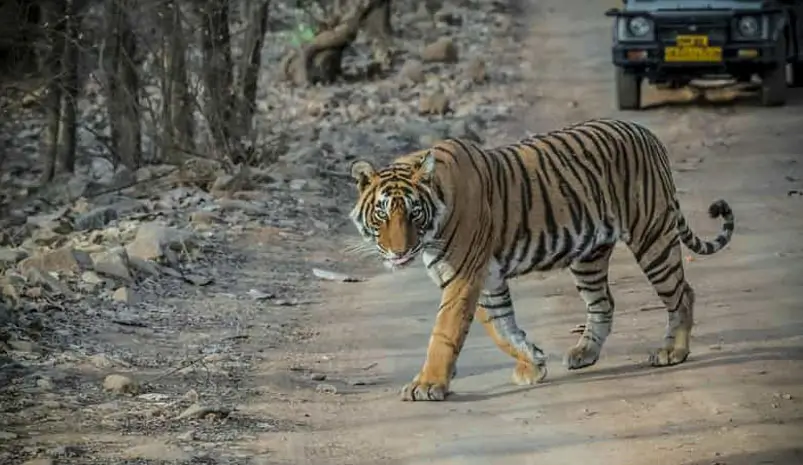
India is home to some of the most important wildlife reserves in the world, making it a key destination for eco-tourism focused on conservation. Exploring wildlife eco-tourism in India allows travelers to experience biodiversity while supporting efforts to protect endangered species and natural habitats.
National parks such as Ranthambore, Bandhavgarh, Kanha, and Jim Corbett offer structured safari experiences that are designed to minimize environmental impact. These parks follow strict regulations regarding vehicle movement, visitor numbers, and interaction with wildlife, ensuring that the ecosystem remains protected. Safaris are conducted by trained guides who provide insights into animal behavior, conservation efforts, and the importance of preserving these habitats.
The experience of observing wildlife in its natural environment is both exciting and educational. Spotting animals such as tigers, leopards, elephants, and various bird species creates a connection with nature that is difficult to replicate elsewhere. For families and individual travelers alike, these experiences offer a deeper understanding of ecological balance.
Luxury eco-lodges located near these parks provide accommodations that are designed to blend with the environment. Properties such as SUJÁN Sher Bagh, Aman-i-Khas, and Singinawa Jungle Lodge focus on sustainability while offering high levels of comfort. These lodges use local materials, support conservation initiatives, and provide curated experiences, making them ideal for a luxury eco-tourism experience in India.
Go beyond traditional travel and explore a more meaningful way to experience India — where sustainability, culture, and nature come together beautifully.
Chat On WhatsApp Contact UsEco-tourism in India is not limited to natural landscapes; it also includes rural and village experiences that highlight local culture and traditions. Exploring village tourism in India allows travelers to engage directly with communities and understand their way of life.
Village stays provide an opportunity to experience traditional practices such as farming, handicrafts, and local cuisine. These experiences are often interactive, allowing travelers to participate in daily activities rather than simply observing them. This creates a sense of connection and authenticity that is often missing in urban travel.
The economic benefits of village tourism are significant, as they provide income and opportunities for local communities. By choosing these experiences, travelers contribute to sustainable development while gaining unique insights into rural life.
Luxury options in this segment include curated village experiences with private accommodations and guided activities. These arrangements ensure that travelers can enjoy a cultural eco-tourism experience in India while maintaining comfort and privacy.
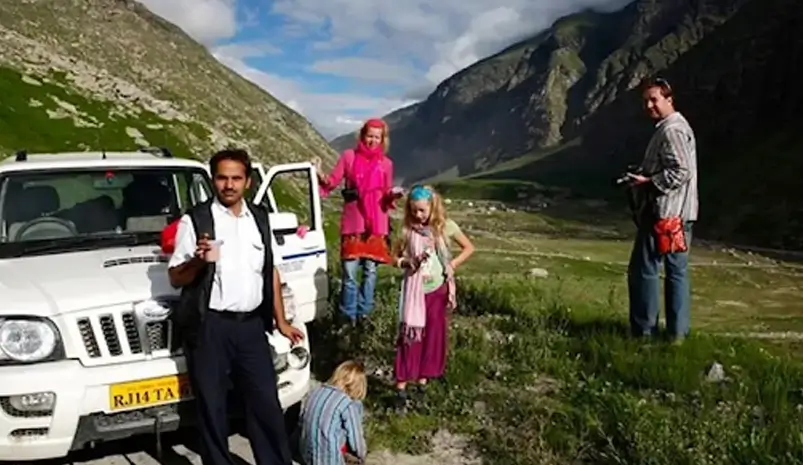
The Himalayan region offers some of the most pristine environments in India, making it an ideal destination for eco-tourism. Exploring Himalayan eco-tourism in India allows travelers to experience mountains, forests, and remote villages while supporting conservation efforts.
Destinations such as Ladakh, Spiti Valley, Uttarakhand, and Himachal Pradesh provide opportunities for trekking, nature walks, and cultural exploration. These activities are designed to minimize environmental impact and promote responsible travel practices.
Eco-lodges and boutique stays in the Himalayas focus on sustainability by using renewable energy, managing waste responsibly, and supporting local communities. Properties such as Shakti Himalaya, The Ultimate Travelling Camp (TUTC), and eco-homestays offer a combination of comfort and authenticity.
The emphasis on slow travel in these regions allows travelers to engage deeply with the environment. Spending time in one location, interacting with local communities, and exploring nature at a relaxed pace creates a responsible mountain travel experience in India.
India’s coastal regions provide a different dimension of eco-tourism, focusing on marine ecosystems, backwaters, and sustainable beach experiences. Exploring coastal eco-tourism in India allows travelers to experience nature while supporting conservation of fragile ecosystems.
Kerala’s backwaters offer a unique environment where travelers can stay on houseboats or eco-resorts that are designed to minimize environmental impact. These experiences provide a peaceful setting while showcasing the importance of water-based ecosystems.
In regions such as Goa and the Andaman Islands, eco-tourism focuses on preserving marine life and coastal habitats. Activities such as snorkeling, diving, and beach exploration are conducted with guidelines that ensure minimal impact on the environment.
Luxury eco-resorts in coastal areas combine sustainability with comfort, offering private villas, curated experiences, and responsible practices. These properties provide a luxury coastal eco-tourism experience in India that aligns with modern travel expectations.
Understanding responsible travel practices is essential for making eco-tourism meaningful. A responsible eco-tourism approach in India involves making conscious choices that reduce environmental impact and support local communities.
Travelers are encouraged to minimize waste, avoid single-use plastics, and respect local cultures and traditions. Choosing eco-friendly accommodations and guided tours ensures that the benefits of tourism are distributed sustainably.
Engaging with local communities in a respectful manner and supporting local businesses contributes to the long-term sustainability of destinations. These practices not only enhance the travel experience but also ensure that destinations remain preserved for future generations.
Accommodation plays a crucial role in eco-tourism, as it directly impacts the environment and local communities. Understanding eco-friendly hotels in India helps travelers make informed decisions.
Eco-lodges and sustainable resorts focus on reducing energy consumption, managing waste, and using local resources. These properties often incorporate traditional architecture and materials, creating a seamless connection with the environment.
Luxury eco-resorts take this concept further by combining sustainability with high-end amenities. These properties provide personalized services, curated experiences, and a strong commitment to conservation, making them ideal for a sustainable luxury travel experience in India.
Choose eco-tourism experiences that conserve the environment, support local communities, and promote responsible travel across India.
Chat On WhatsApp Contact UsDesigning a custom eco-tourism itinerary in India involves selecting destinations that offer diverse and sustainable experiences. Combining wildlife reserves, Himalayan regions, coastal areas, and village stays creates a well-rounded journey.
Planning should include guided tours, eco-friendly accommodations, and responsible travel practices. Private arrangements ensure comfort while maintaining sustainability.
Eco-tourism in India offers a meaningful way to explore the country while contributing to its preservation. By choosing responsible travel practices and engaging with sustainable experiences, travelers can create journeys that are both enjoyable and impactful.
With the right approach, eco-tourism becomes more than travel—it becomes a way of connecting with nature, culture, and community in a responsible and enriching manner.
Post By :- Admin On | 03 Apr 2026
It focuses on sustainable travel and conservation.
Wildlife parks, Himalayas, Kerala, and coastal regions.
Yes, with eco-lodges and sustainable resorts.
Safaris, trekking, village stays, and nature tours.
By minimizing waste and supporting local communities.
Yes, with structured and safe experiences.
Their natural beauty and sustainable travel options.
Yes, especially in Kerala and Andaman Islands.
Yes, through curated sustainable experiences.
A local expert can design a tailored journey.