


Backpacking in India is often imagined as budget travel, but in reality, it can be designed as a culturally immersive journey that combines flexibility with depth. Cultural backpacking is not defined by low cost but by the intent to explore local life, traditions, and everyday experiences at a more personal level. Exploring cultural backpacking routes across India allows travelers to move beyond surface-level tourism and engage with the country’s diverse identity in a meaningful way.
For international travelers from the USA, UK, and Europe, India offers a unique environment for cultural exploration. The country’s diversity in language, food, architecture, and traditions creates a constantly changing experience as travelers move from one region to another. Unlike fixed itineraries, backpacking routes allow for flexibility, enabling travelers to adapt their journey based on interests, pace, and discoveries along the way.
A well-planned cultural backpacking travel experience in India combines structured routes with the freedom to explore. By selecting key regions and connecting them through logical travel paths, travelers can create a journey that is both immersive and manageable. With private transport options, boutique stays, and curated experiences, backpacking in India can also include elements of comfort and convenience.
The Golden Triangle is one of the most accessible starting points for cultural backpacking in India. While it is often associated with standard itineraries, extending this route allows travelers to explore deeper cultural layers. Following the Golden Triangle backpacking route India provides a strong introduction to the country’s history and heritage.
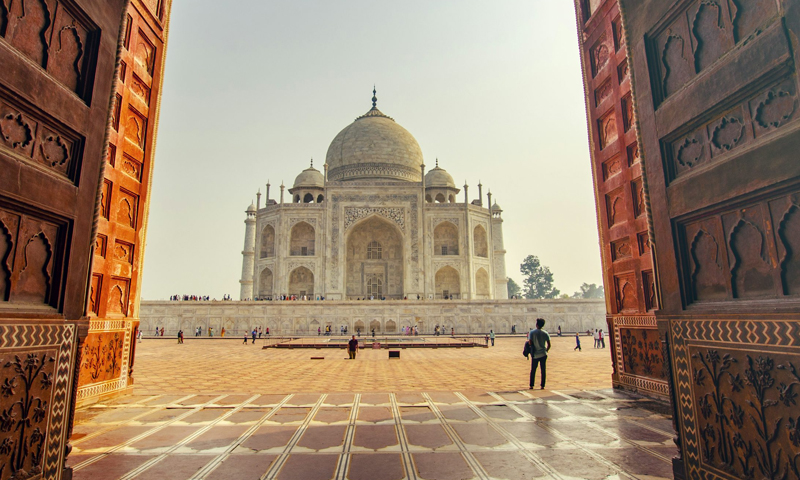
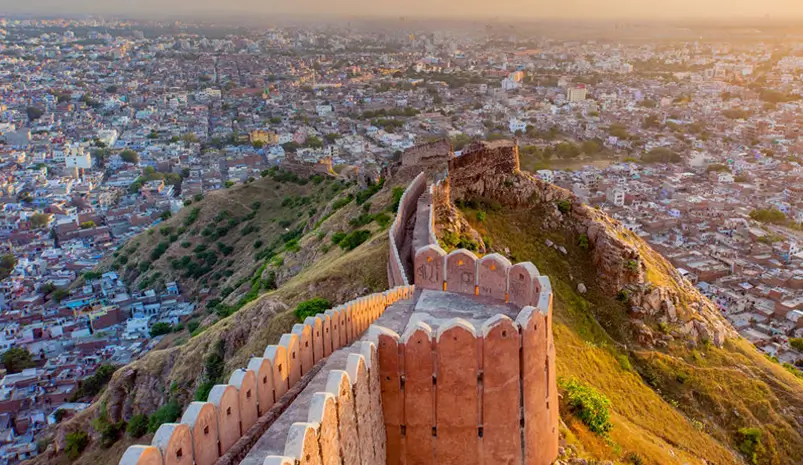
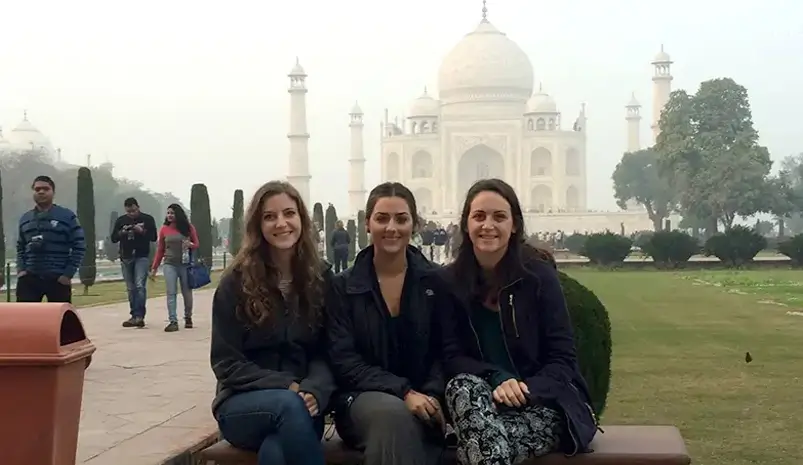
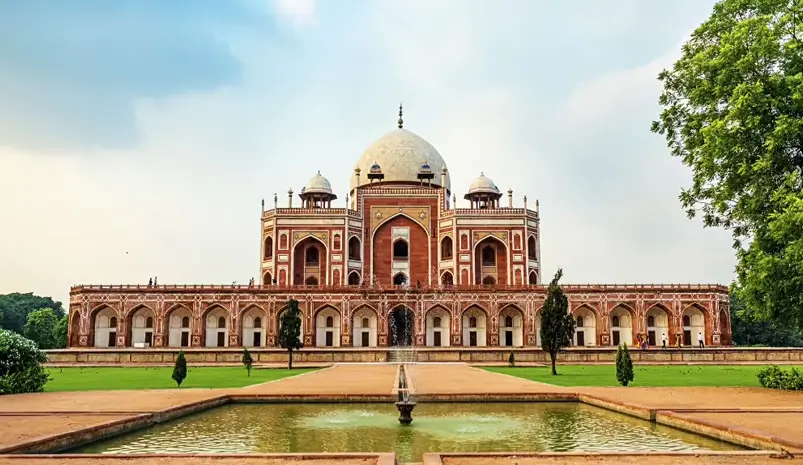
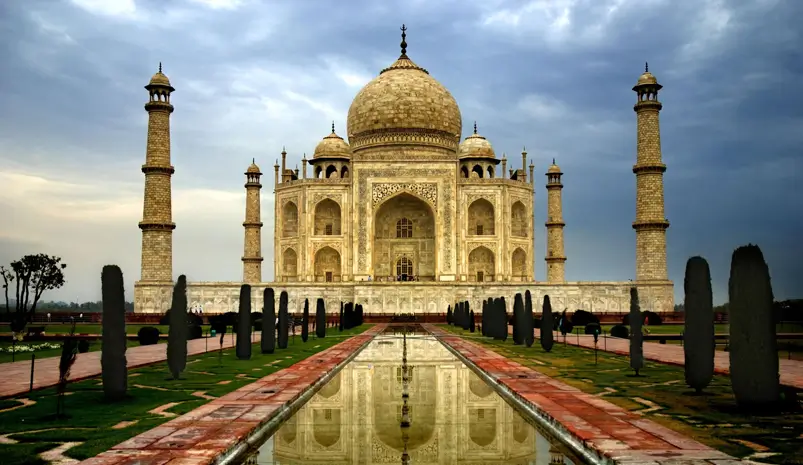
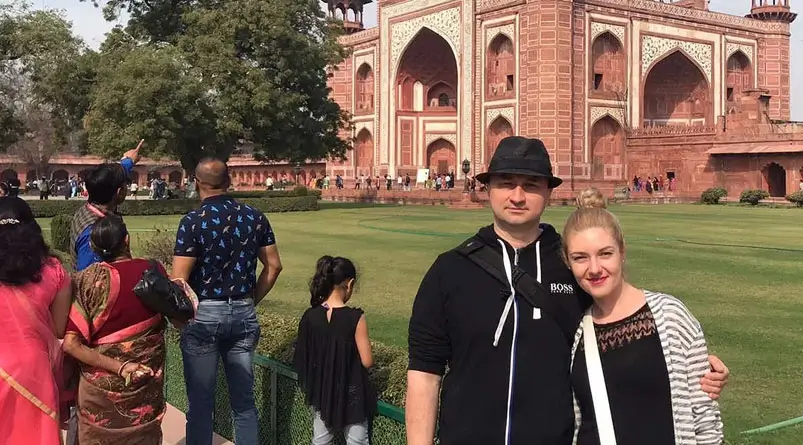
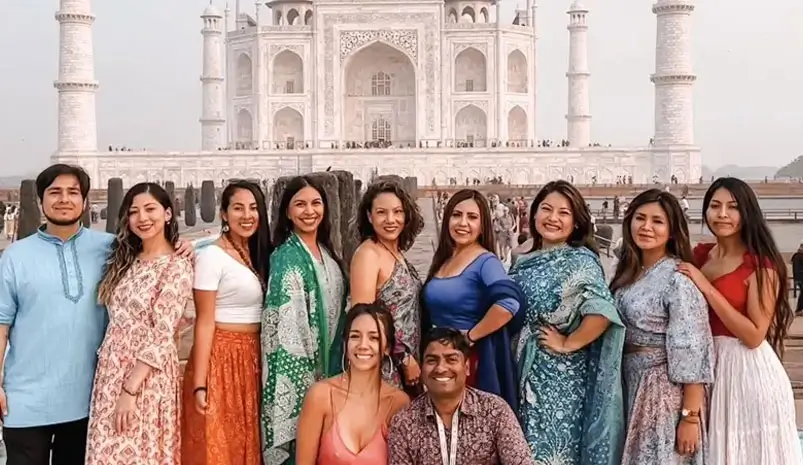
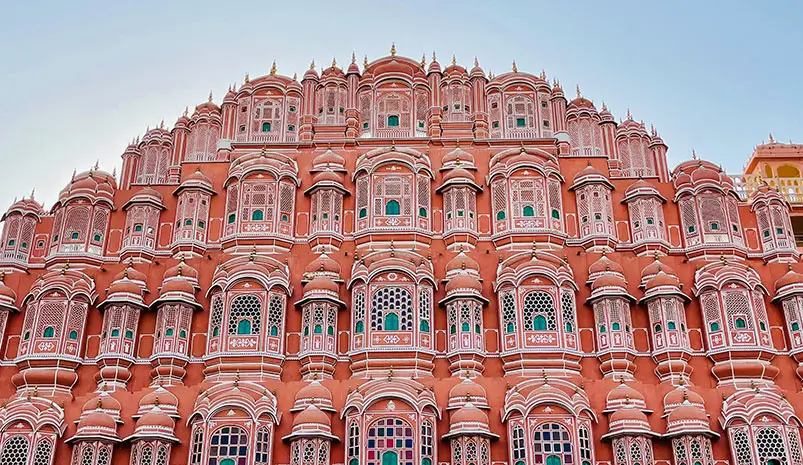
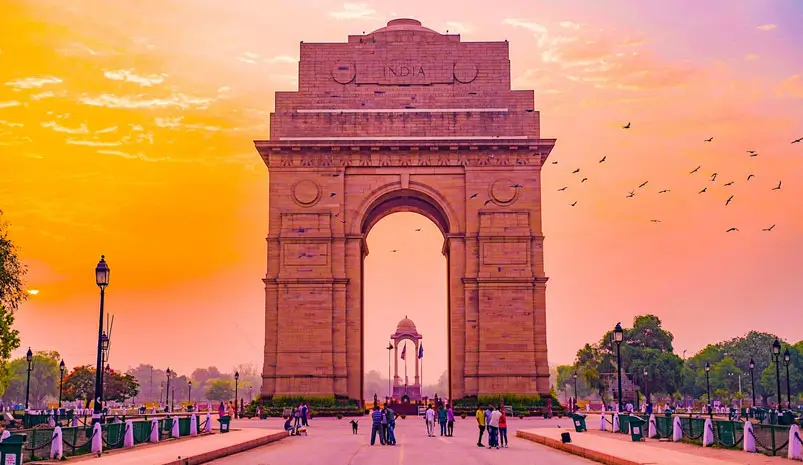
Delhi offers a mix of old and new, where historical monuments coexist with modern urban life. Exploring markets, street food areas, and cultural sites provides insight into the city’s complexity. Agra, known for the Taj Mahal, adds a layer of architectural beauty, while Jaipur introduces travelers to royal heritage and traditional crafts.
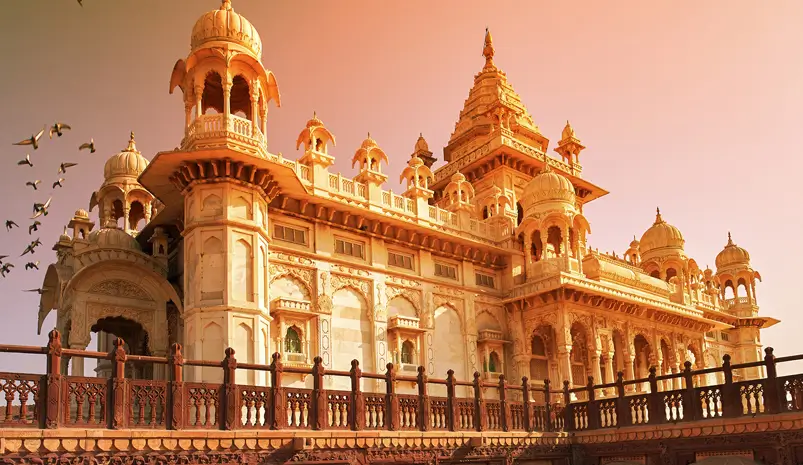
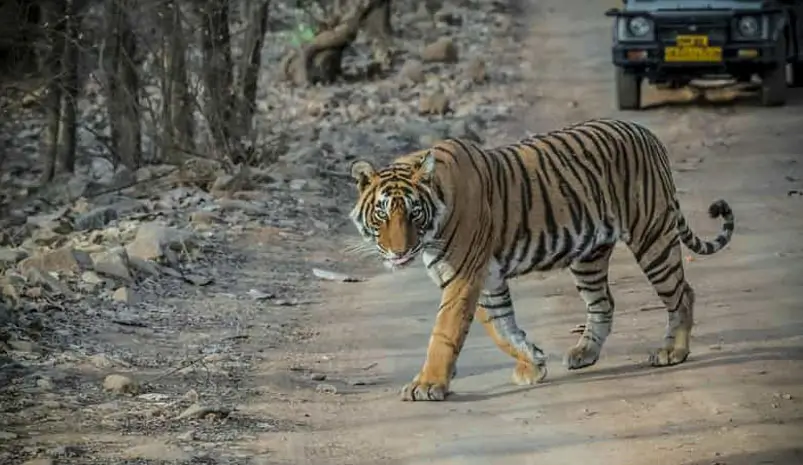
Extending the route to destinations such as Pushkar, Jodhpur, or Ranthambore creates a more immersive experience. Pushkar offers a relaxed atmosphere with spiritual significance, while Jodhpur provides a glimpse into desert culture and architecture. Ranthambore adds a wildlife element, creating a diverse journey.
This route is ideal for those seeking a cultural backpacking experience in North India, combining accessibility with depth and variety.
Enjoy the freedom of backpacking with the ease of curated routes, private transport, and boutique stays — designed for a seamless and enriching journey.
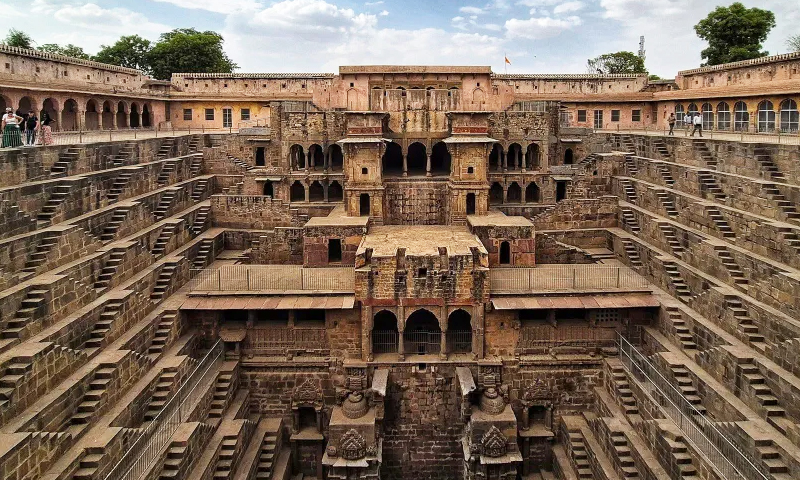
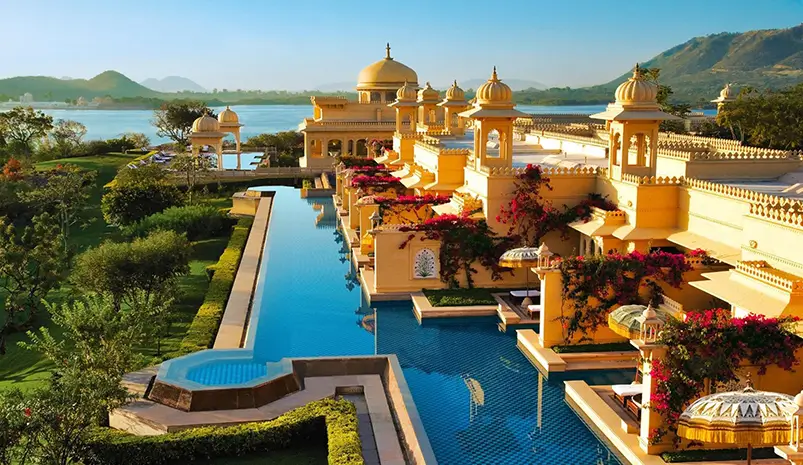
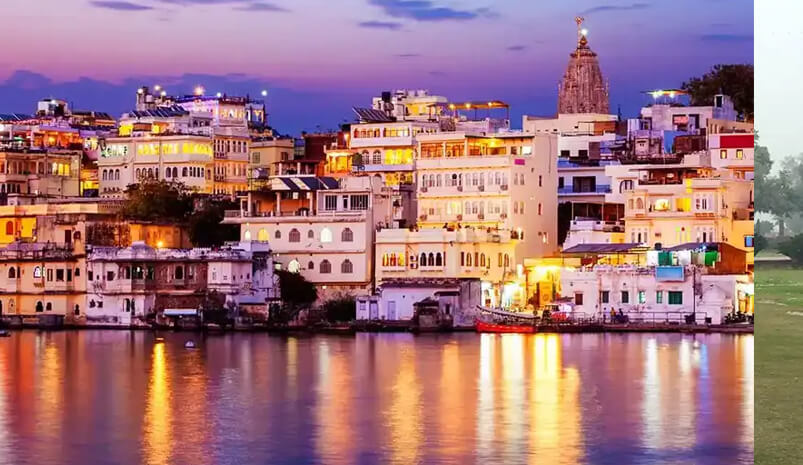
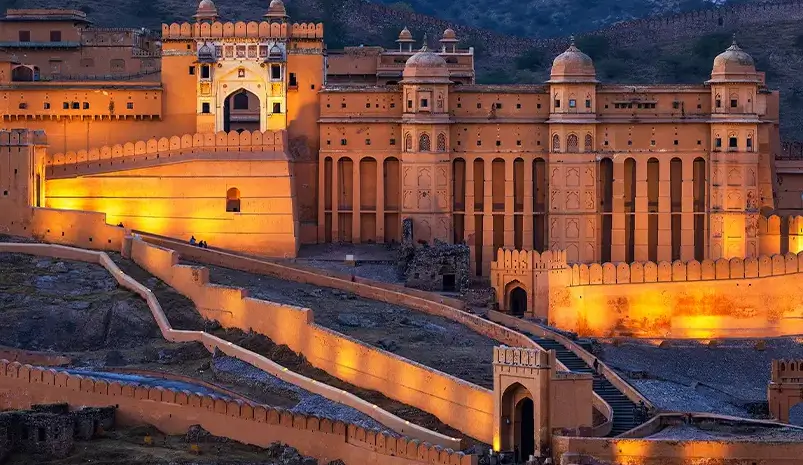
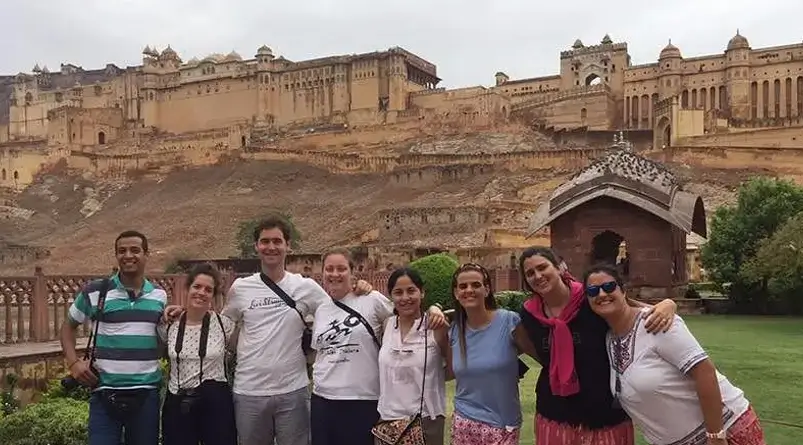
Chat On WhatsApp Contact UsRajasthan offers one of the richest cultural landscapes in India, making it a key destination for backpacking routes focused on heritage and local life. Exploring the Rajasthan backpacking route India allows travelers to experience forts, palaces, villages, and desert environments in a connected journey.
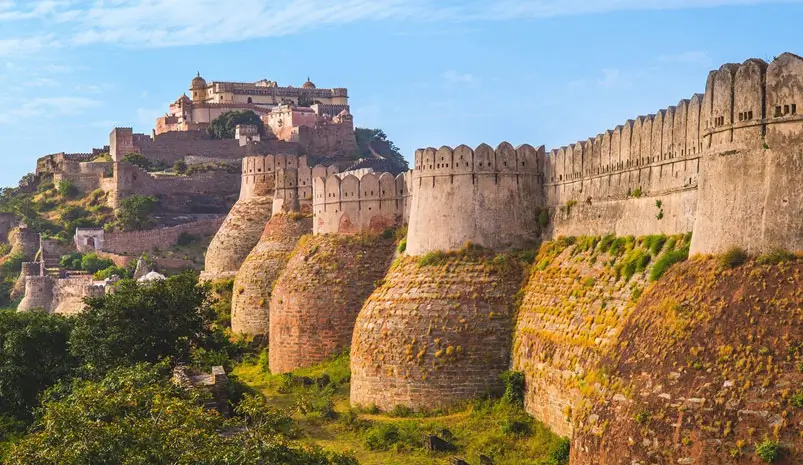
Cities such as Jaipur, Udaipur, Jodhpur, and Jaisalmer form the core of this route. Each city has its own character, from the lakes of Udaipur to the desert landscapes of Jaisalmer. Moving between these cities reveals changes in architecture, culture, and lifestyle.
Village experiences are an essential part of this route, providing insight into traditional living. Staying in rural areas, interacting with local communities, and observing daily activities create a deeper connection with the region. These experiences go beyond sightseeing, offering a personal perspective on culture.
Luxury backpacking options in Rajasthan include boutique heritage hotels, private desert camps, and curated experiences. This approach creates a premium cultural backpacking journey in India that balances immersion with comfort.
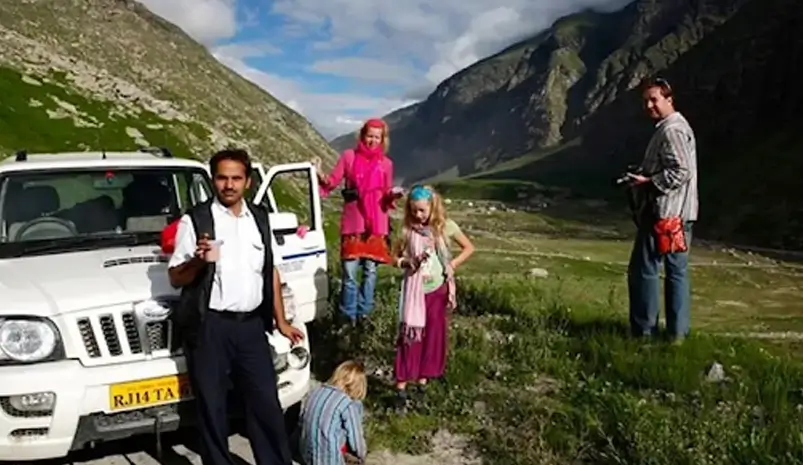
The Himalayan region offers a completely different backpacking experience, focused on nature, spirituality, and simplicity. Exploring the Himalayan backpacking route India allows travelers to experience a slower pace of life and connect with remote environments.
Destinations such as Dharamshala, Manali, Leh, and Spiti Valley provide a mix of cultural and natural experiences. Monasteries, mountain villages, and scenic landscapes create an environment that encourages reflection and exploration.
Traveling in the Himalayas often involves longer distances and varying conditions, making it important to plan carefully. However, the rewards are significant, as these regions offer some of the most authentic and untouched experiences in India.
Luxury options in the Himalayas include boutique lodges and curated travel experiences that provide comfort without losing the essence of the journey. This creates a high-end cultural backpacking experience in India that is both immersive and manageable.
South India offers a unique cultural backpacking route that combines temples, coastal regions, and traditional practices. Exploring the South India backpacking route provides a journey that is both structured and diverse.
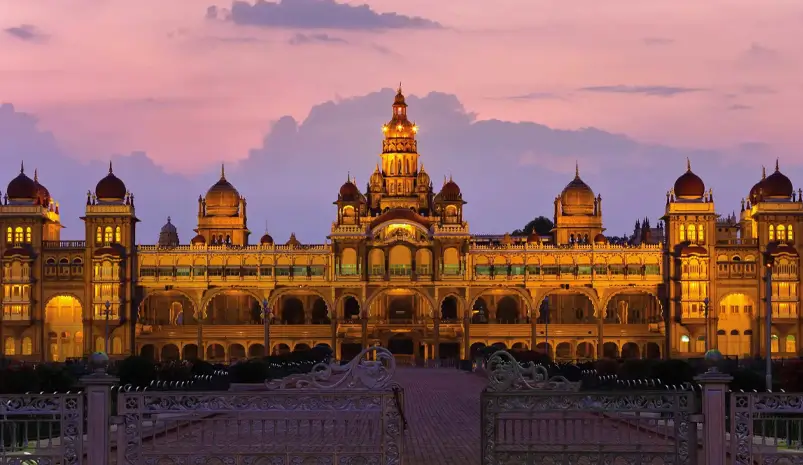
Cities such as Chennai, Madurai, Kochi, and Mysore form the backbone of this route. Each destination offers distinct experiences, from temple architecture to colonial influences and coastal lifestyles. Moving through these cities reveals the depth of South India’s cultural identity.
Kerala’s backwaters and coastal regions add a relaxing element to the journey, allowing travelers to balance exploration with downtime. Village visits, cultural performances, and local cuisine experiences enhance the overall journey.
This route is particularly suitable for those seeking a balanced cultural travel experience in India, combining history, nature, and relaxation.
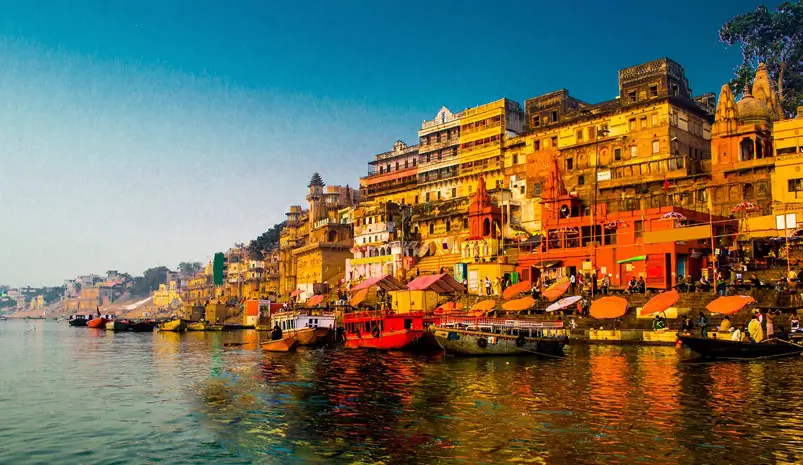
Eastern India offers a backpacking route that is deeply rooted in spirituality and local traditions. Exploring the Varanasi cultural backpacking route India allows travelers to experience a different perspective on Indian culture.
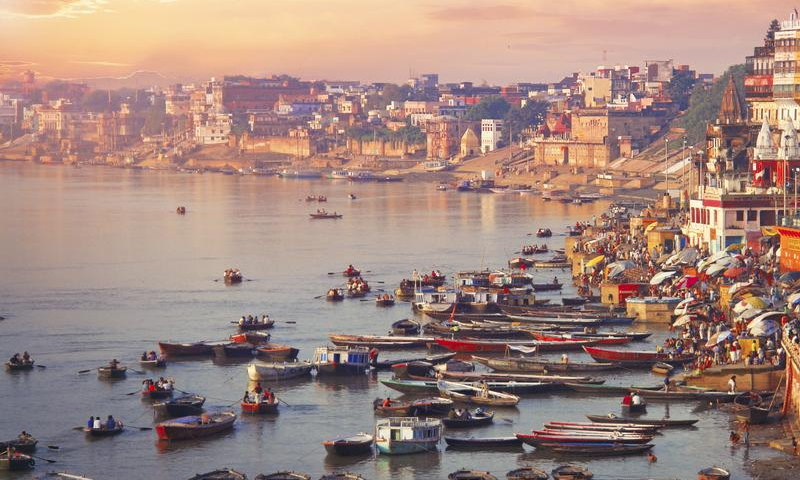
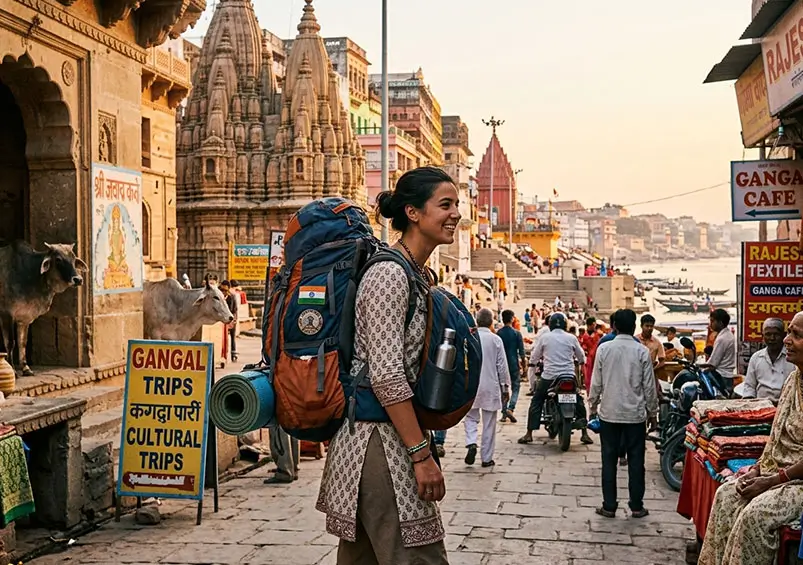
Varanasi serves as the central point of this route, where spirituality and daily life are closely connected. Observing rituals, exploring narrow streets, and interacting with local communities provide a deep and immersive experience.
Extending the route to destinations such as Kolkata and Bodh Gaya adds cultural and historical depth. Kolkata offers a blend of colonial architecture and artistic culture, while Bodh Gaya provides a peaceful environment focused on meditation and reflection.
This route is ideal for travelers seeking a deep cultural and spiritual backpacking experience in India.
Start your personalized backpacking adventure today with expertly designed routes covering heritage cities, mountains, and coastal regions.
Chat On WhatsApp Contact UsOne of the key aspects of backpacking is flexibility, but maintaining a level of comfort is equally important, especially for international travelers. A modern backpacking experience in India combines flexibility with curated arrangements to ensure a smooth journey.
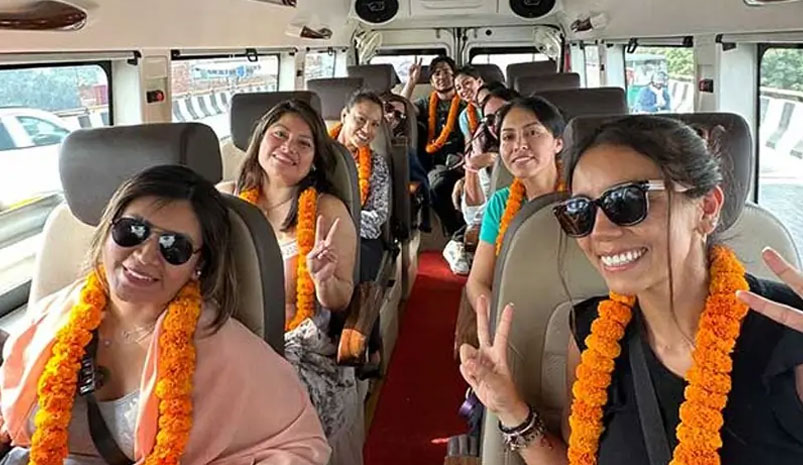
Private transport, pre-booked accommodations, and guided experiences provide structure while allowing for adjustments along the way. This approach ensures that travelers can explore freely without facing unnecessary challenges.
Designing a custom backpacking itinerary in India involves selecting routes that align with interests and available time. Combining different regions creates a diverse journey that covers multiple aspects of culture.
Planning should include transportation, accommodations, and key experiences while leaving room for flexibility. Working with a local expert helps in creating a balanced and well-organized plan.
Cultural backpacking in India offers a unique way to explore the country, combining freedom with depth. By following structured routes and engaging with local life, travelers can create journeys that are both meaningful and memorable.
With the right balance of planning and flexibility, backpacking in India becomes an enriching experience that goes beyond traditional travel.
Post By :- Admin On | 04 Apr 2026
Golden Triangle, Rajasthan, Himalayas, South India, and Varanasi routes.
Yes, it offers deep and immersive cultural exposure.
Yes, through boutique stays and curated travel.
The Golden Triangle and Rajasthan.
Yes, with monasteries and mountain villages.
By combining structured routes with adaptable schedules.
Yes, with temples and coastal regions.
Its deep spiritual and cultural significance.
Typically 10 to 20 days.
A local expert can design a tailored journey.