


North India offers some of the most unforgettable wildlife destinations in Asia, where dense forests, open grasslands, tranquil wetlands and dramatic landscapes create ideal habitats for tigers, elephants, deer, migratory birds and countless other species. Wildlife enthusiasts from around the world visit Ranthambore, Bharatpur and Jim Corbett to witness nature at its rawest form — from tiger sightings and bird migrations to atmospheric jungle dawns filled with calls of peacocks, parakeets and the rustling of wild animals. These sanctuaries combine adventure, biodiversity and emotional immersion, transforming each trip into a powerful memory.
Foreign and Indian travelers alike feel enchanted by the balance of serenity and intensity these parks offer. The anticipation before a jungle safari, the thrill of hearing a distant alarm call, the excitement of spotting fresh pugmarks or catching the brief golden flash of a tiger between trees — these moments shape the core of wildlife travel. What makes North India’s parks particularly appealing is their contrasting environments: Ranthambore’s rugged Aravalli forests, Bharatpur’s wetlands teeming with birds and Corbett’s Himalayan foothills filled with rivers, dense sal forests and elephants.
This comprehensive guide helps travelers understand what makes these destinations special, the best seasons to visit, safari tips, photography guidelines, wildlife behaviour insights and essential planning advice. Whether traveling as photographers, families, birders or nature lovers, these three wildlife destinations offer meaningful and transformative journeys into India’s natural heritage.
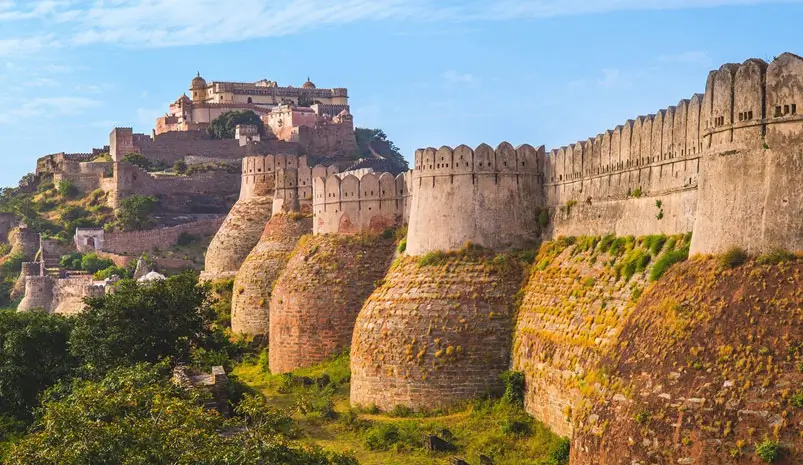
Ranthambore stands among the most celebrated tiger reserves in the world, admired for its dramatic landscapes, lakes, ancient fort ruins and high probability of tiger sightings. The park lies in Rajasthan’s Sawai Madhopur district and holds a unique blend of history and wilderness. Travelers encounter landscapes dotted with banyan trees, rocky outcrops, serene lakes and tall grasslands. The presence of Ranthambore Fort overlooking the park adds a regal backdrop to safaris, creating a cinematic experience.
Tiger Experience in Ranthambore
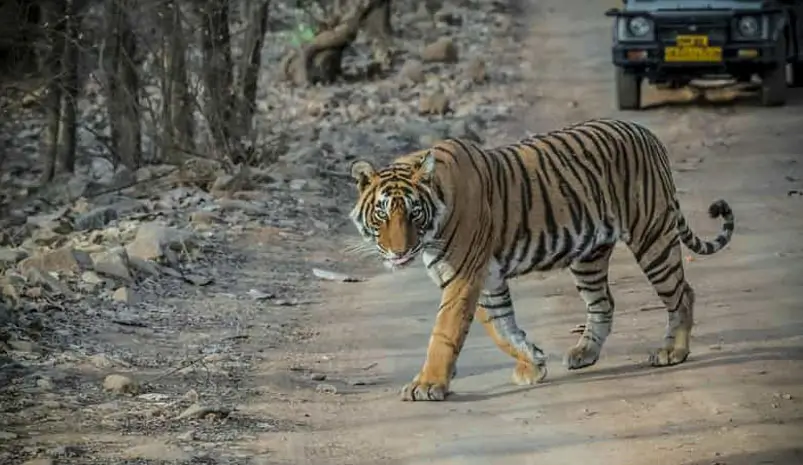
Foreign tourists often find Ranthambore to be the ideal introduction to Indian wildlife because the tigers here are known for their bold, visible behaviour. Many tigers move confidently across open zones, making sightings more common compared to dense forests elsewhere. Photographers appreciate the wide meadows, lake zones and open forest paths that provide clear shooting windows.
Visitors often look for:
The excitement grows when alarm calls by sambar deer or langurs echo across the forest, signalling a big cat’s presence.
Landscape and Zones
Ranthambore consists of multiple safari zones, each carrying its own visual identity. Lakes such as Padam Talao and Rajbagh Talao remain iconic for reflection photography. Grassland areas host deer herds and birdlife, while rocky cliffs provide ideal terrain for leopards.
The combination of historic ruins and dense jungle creates an atmosphere unmatched by any other tiger park in India.
Best Time for Tiger Safaris
The prime season runs between October and June. Winter offers cool temperatures and atmospheric landscapes, while summer increases tiger sightings around water bodies. Dry forests in May and June allow clearer visibility, making photography exceptional for experienced travelers.
Explore the best wildlife destinations in North India with expert planning and comfortable travel.
Officially known as Keoladeo National Park, Bharatpur is one of the world’s most important wetland ecosystems and a UNESCO World Heritage Site. Travelers visit Bharatpur to witness an extraordinary diversity of migratory and resident birds. Photographers, researchers and foreign tourists consider it a dream destination because of the sheer number of species visible within a small geographic area.
Birdlife and Migratory Species
During peak migration, wetlands fill with thousands of birds arriving from Central Asia, Siberia, Europe and the Himalayas. The presence of water channels, marshlands and thick vegetation creates ideal habitats.
Popular sightings include:
Migratory species arrive in large flocks, offering breathtaking visuals for photographers.
Safari Style in Bharatpur
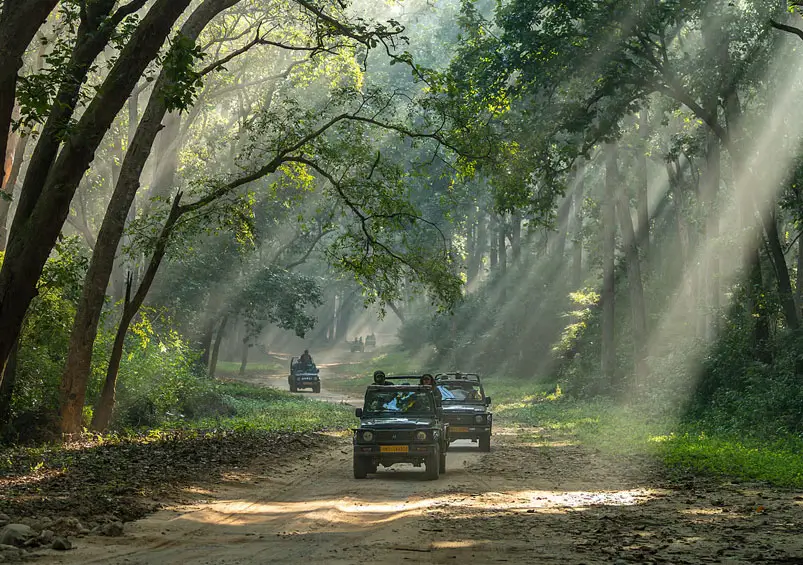
Unlike tiger reserves, Bharatpur is explored peacefully through cycle rickshaws, bicycles or slow walks. This gentle pace allows travelers to observe birds closely without disturbing them. Rickshaw guides often double as experienced bird spotters, enhancing the experience.
This unique style of exploration makes Bharatpur particularly suitable for:
Wetland Landscape
The wetlands change colour, water levels and ambience throughout the season. Early mornings bring mist and golden sunlight, while evenings offer soft, warm hues across water bodies. The reflection of birds in still waters adds artistic value to photography.
Best Time for Birding
Peak birding occurs between November and February, when migratory species dominate the landscape. Even outside this window, Bharatpur remains home to hundreds of resident birds.
Located in Uttarakhand, Jim Corbett National Park offers a stunning mix of dense sal forests, river belts, grasslands and Himalayan foothill landscapes. It stands as India’s oldest national park and a pioneer in tiger conservation. Travelers admire Corbett for its dramatic scenery, rich biodiversity and thrilling safaris.
Wildlife Diversity
Although tigers remain a major attraction, Corbett hosts a wider range of species compared to many parks. Wildlife enthusiasts often spot:
Corbett’s diverse terrain increases the possibility of encountering varied wildlife across different zones.
Tiger Sightings in Corbett
Tiger sightings depend on zone selection and season. Corbett’s deep forests make sightings more unpredictable compared to Ranthambore, but the experience feels more intense and authentic. The excitement of tracking fresh pugmarks or listening to alarm calls while driving along riverbeds creates a thrilling emotional journey.
Landscape and Safari Zones
Each Corbett zone has a unique character:
Dhikala is often considered the most visually striking zone in North India’s wildlife circuit.
Accommodation Inside Corbett
Forest rest houses inside Dhikala offer an atmospheric wilderness experience. Staying inside the park increases the chances of wildlife encounters and provides peaceful night ambience filled with jungle sounds.
Best Season for Corbett Safaris
The best period spans from November to June, with summer offering the highest visibility near water sources.
Together, Ranthambore, Bharatpur and Corbett create a powerful wildlife triangle, each offering a distinct environment. Foreign travelers seeking diverse experiences appreciate this combination because it offers:
This diversity makes North India one of the world’s most rewarding wildlife travel regions.
Foreign travelers benefit significantly from understanding safari etiquette, animal behaviour patterns and best photography practices. Safaris become more enjoyable when approached with patience and quiet observation.
Helpful tips include:
Wildlife sightings depend on tracking skills, luck and environmental conditions. Patience enhances the experience and deepens emotional connection to the forest.
Wildlife photography requires thoughtful planning, especially in dynamic environments like forests and wetlands. Light conditions change rapidly, and animals may appear suddenly.
Photography essentials include:
Foreign photographers appreciate the natural drama offered by North India’s wildlife — from tigers walking across forest tracks to elephants crossing rivers at dawn.
Wildlife lodges in Ranthambore, Bharatpur and Corbett range from luxury resorts to mid-range eco-lodges. Travelers enjoy staying close to nature without compromising comfort.
Accommodation styles include:
Evenings at these lodges often include bonfires, nature talks and peaceful outdoor dining experiences.
Explore the best wildlife destinations in North India with expert planning and comfortable travel.
A private car and driver ensures smooth transfers between cities, wildlife gates, hotels and rail or airport stations. Many wildlife parks are located in remote areas, making chauffeur support invaluable.
Foreign tourists benefit from private drivers because:
Emotional comfort plays a central role — travelers feel secure, supported and unhurried while exploring India’s wilderness.
The ideal season depends on the goals of the traveler:
Each month carries its own advantages, making North India a year-round wildlife destination.
Post By :- Admin On | 22 Dec 2025
Ranthambore offers high visibility, especially in summer.
Bharatpur remains the top site for migratory and resident birds.
Yes, safaris are well regulated and guided by trained naturalists.
Early mornings and late afternoons offer ideal light and higher activity.
Yes, forest rest houses are available with prior booking.
Neutral-coloured outfits help blend into natural surroundings.
Yes, they ensure timely transport and smoother logistics.
Yes, parks offer safe and enriching experiences for all age groups.
Five to seven days covering two or three parks provide a balanced journey.
Yes, naturalists interpret animal behaviour and enhance the experience.