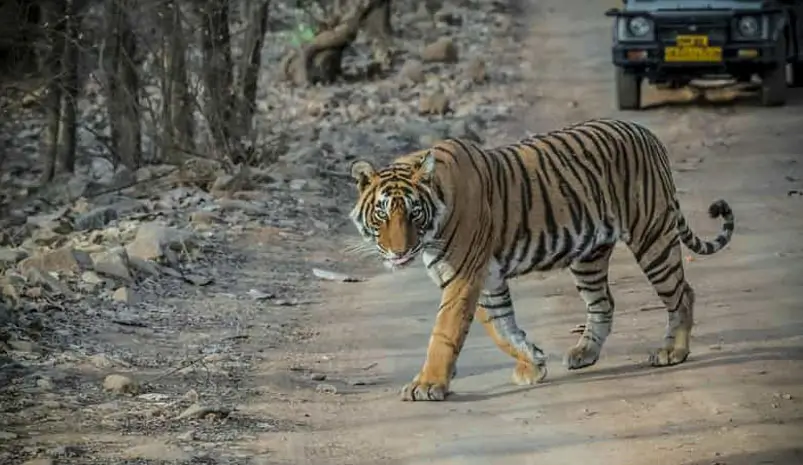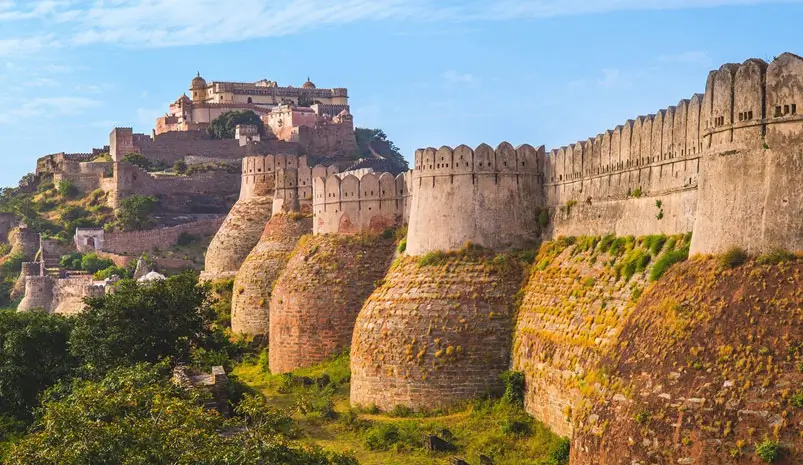



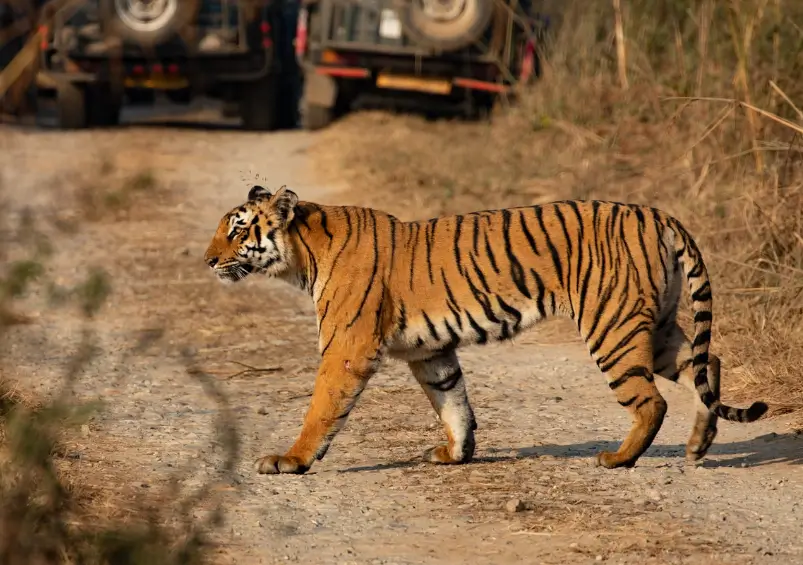
India is one of the most exciting wildlife destinations on the planet. While many travelers associate the country with historic monuments, royal palaces, spiritual cities, and mountain landscapes, India's extraordinary biodiversity often becomes one of the most memorable parts of any journey. From dense jungles and vast grasslands to wetlands, river systems, and mountain forests, the country supports an incredible variety of wildlife habitats that attract nature lovers from around the world.
Home to Bengal tigers, Asiatic lions, Indian elephants, one-horned rhinoceroses, leopards, sloth bears, crocodiles, and more than a thousand bird species, India offers safari experiences that rival some of the best wildlife destinations in Africa and Asia. The country's network of protected national parks and wildlife reserves plays a critical role in conservation while providing visitors with opportunities to experience nature in its most authentic form.
One of the reasons why wildlife tourism in India continues growing every year is the diversity of experiences available. Some parks are famous for tiger sightings, while others are known for birdwatching, elephant encounters, unique ecosystems, or rare animal species found nowhere else on Earth. Luxury jungle lodges, expert naturalists, private safaris, and eco-tourism initiatives further enhance the experience.
For travelers interested in nature, photography, adventure, and conservation, the following destinations represent the finest national parks in India and offer unforgettable safari experiences.
Beyond the cities lies a world of ancient forests, winding rivers, and extraordinary biodiversity. Explore India's most spectacular national parks where every trail, every sunrise, and every safari reveals nature at its most breathtaking.
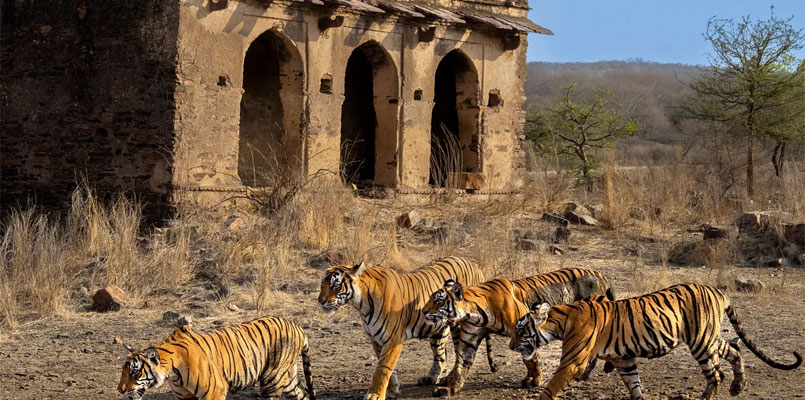
When discussing wildlife safaris in India, Ranthambore National Park is often the first destination that comes to mind. Located in Rajasthan, the park has achieved international recognition for its Bengal tiger population and dramatic landscapes.
Unlike many forest reserves where wildlife remains difficult to observe, Ranthambore's combination of open terrain, lakes, grasslands, and ancient ruins creates excellent opportunities for sightings. Tigers are frequently seen moving through the park's valleys, resting near water bodies, or patrolling territories around the historic Ranthambore Fort.
The fort itself adds a unique dimension to the safari experience. Towering above the reserve, it creates one of the most iconic wildlife landscapes in India. Few places in the world allow visitors to observe tigers roaming beneath the walls of a centuries-old fortress.
Beyond tigers, the park supports leopards, sloth bears, crocodiles, jackals, deer, langurs, and hundreds of bird species. Each safari offers a different experience, as animal movements vary according to season, weather, and habitat conditions.
Luxury safari lodges surrounding the park provide world-class accommodations while maintaining strong commitments to conservation and sustainable tourism. Professional naturalists help visitors understand animal behavior, ecosystem dynamics, and conservation challenges.
For many travelers, Ranthambore represents the ultimate tiger safari in India.
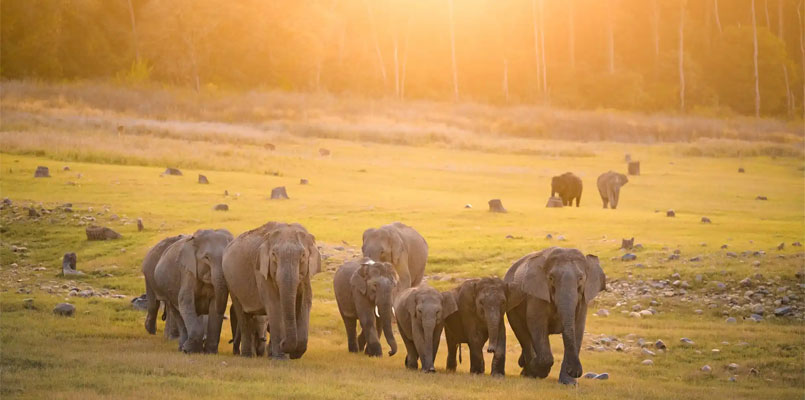
Established in 1936, Jim Corbett National Park holds the distinction of being India's oldest national park. Located in Uttarakhand, the reserve remains one of the country's most significant wildlife conservation areas.
The landscape is remarkably diverse. Dense forests, open grasslands, rivers, wetlands, and foothills create a rich ecosystem capable of supporting an impressive variety of wildlife. This diversity contributes significantly to the park's popularity among nature enthusiasts and wildlife photographers.
The Bengal tiger remains the star attraction, but Corbett offers far more than tiger sightings alone. Visitors frequently encounter elephants, leopards, deer, crocodiles, wild boar, and numerous bird species. The park's river systems also support aquatic wildlife and attract migratory birds during certain seasons.
One of Corbett's greatest strengths is its variety of safari zones. Each area offers unique landscapes and wildlife viewing opportunities, encouraging repeat visits and longer stays.
For travelers seeking a comprehensive wildlife holiday in India, Jim Corbett remains one of the country's premier destinations.
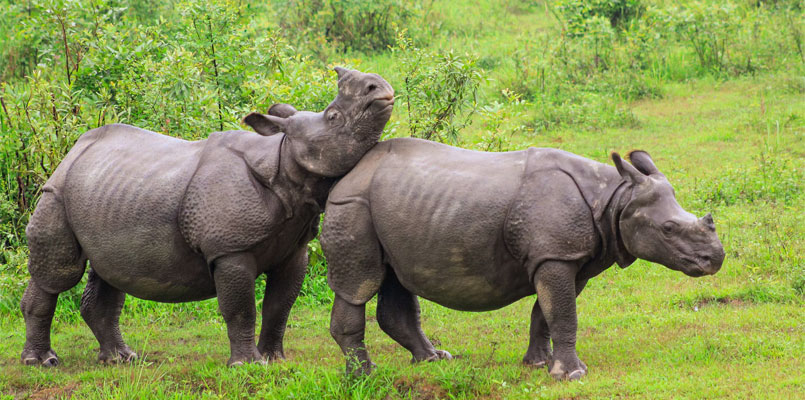
Kaziranga National Park in Assam stands as one of the world's greatest conservation success stories. Recognized as a UNESCO World Heritage Site, the park protects the largest population of the endangered one-horned rhinoceros.
The landscape consists primarily of floodplain grasslands, wetlands, and forested areas shaped by the mighty Brahmaputra River. These habitats support extraordinary biodiversity and create excellent conditions for wildlife viewing.
Rhinoceroses are often seen grazing in open grasslands, making sightings relatively common compared to many other rare species around the world. However, Kaziranga's appeal extends far beyond rhinos. Wild water buffalo, elephants, tigers, swamp deer, and numerous bird species also inhabit the reserve.
Birdwatchers consider Kaziranga particularly rewarding due to the diversity of resident and migratory species found throughout the year.
The park offers one of the most distinctive safari experiences in India and remains a highlight of northeastern tourism.
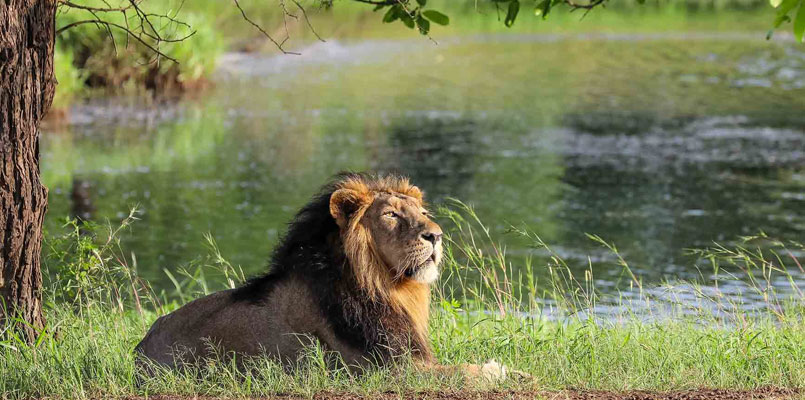
Few wildlife destinations possess the global significance of Gir National Park in Gujarat. The reserve serves as the only remaining natural habitat of the Asiatic lion, making it one of the most important conservation landscapes in the world.
Years of dedicated conservation efforts have helped the lion population recover, transforming Gir into one of India's greatest wildlife success stories. Visitors arriving on safari have realistic opportunities to observe these magnificent predators in their natural environment.
The dry forests and grasslands of Gir create landscapes very different from the tiger reserves found elsewhere in India. This ecological diversity adds further value to the safari experience.
In addition to lions, Gir supports leopards, hyenas, deer, crocodiles, jackals, and numerous bird species. The park's biodiversity continues attracting researchers, photographers, and wildlife enthusiasts from around the globe.
For travelers interested in rare wildlife, Gir remains one of the most important national parks for safari in India.
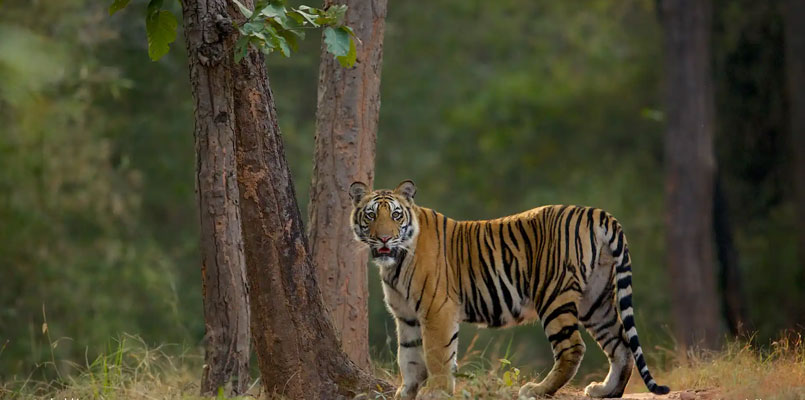
Bandhavgarh National Park in Madhya Pradesh has earned a reputation for offering some of the highest tiger sighting probabilities in India. The reserve's compact size and healthy tiger population create excellent opportunities for wildlife observation.
Ancient ruins scattered throughout the forest add historical interest to the landscape. The dramatic Bandhavgarh Fort overlooks much of the reserve, creating a visually striking backdrop for safari adventures.
Visitors frequently encounter deer, langurs, wild boar, leopards, and numerous bird species alongside the park's famous tigers.
For photographers hoping to capture iconic tiger images, Bandhavgarh remains among the leading tiger reserves in India.
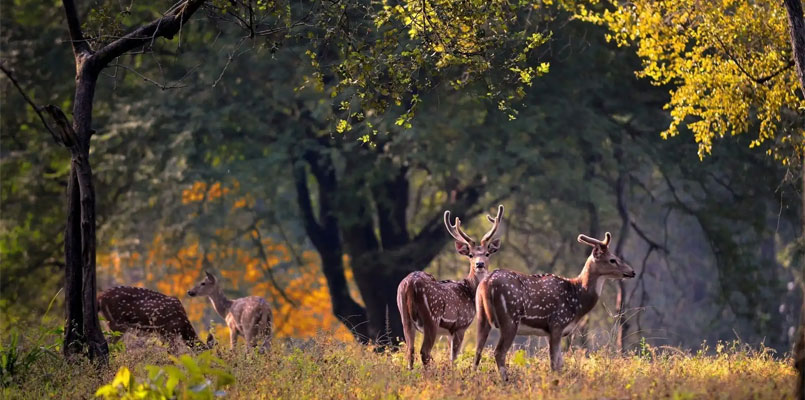
Kanha National Park is often considered one of India's most beautiful wildlife reserves. Located in Madhya Pradesh, the park features vast grasslands, dense forests, meadows, and streams that create an extraordinary safari environment.
Many wildlife experts believe the landscapes of Kanha inspired Rudyard Kipling's famous work, The Jungle Book. Whether or not this connection is historically precise, the scenery certainly feels worthy of literary inspiration.
The park supports a healthy tiger population along with leopards, wild dogs, deer, gaur, and numerous bird species. Its conservation programs have also played a vital role in protecting the rare barasingha deer.
Kanha combines wildlife, scenery, and conservation in a way few reserves can match.
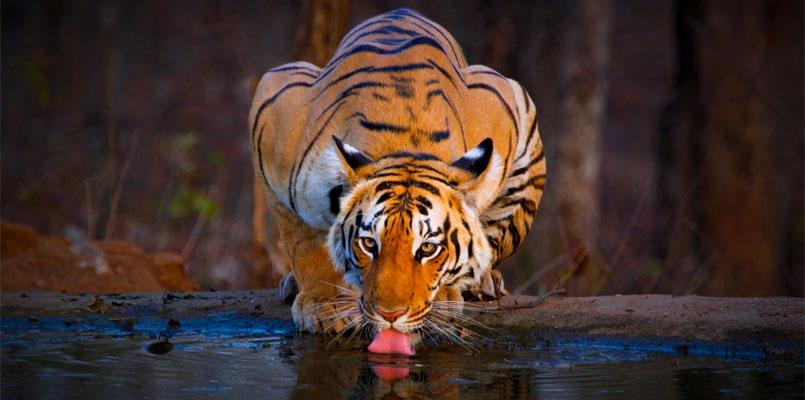
Pench National Park, spread across Madhya Pradesh and Maharashtra, is one of India's most scenic wildlife reserves and is frequently associated with the landscapes that inspired The Jungle Book. Dense teak forests, rolling hills, grasslands, and seasonal rivers create an ecosystem rich in biodiversity and visual appeal.
One of the reasons why Pench has become increasingly popular among wildlife enthusiasts is the quality of the safari experience. The park's relatively open terrain often allows excellent visibility, making it easier to spot animals compared to some denser forest reserves. Bengal tigers remain the primary attraction, but Pench also supports healthy populations of leopards, wild dogs, jackals, sloth bears, gaur, and several species of deer.
Birdwatchers particularly appreciate Pench because of its impressive avian diversity. More than two hundred species of birds can be found within the reserve, making it one of the most rewarding wildlife photography destinations in India.
Luxury safari lodges and boutique jungle camps have further enhanced Pench's appeal. Visitors can enjoy guided nature walks, birdwatching excursions, and conservation-focused experiences alongside traditional jeep safaris.
The combination of wildlife, scenic landscapes, and relatively lower tourist pressure compared to some larger reserves makes Pench one of the most rewarding national parks in India for safari lovers.
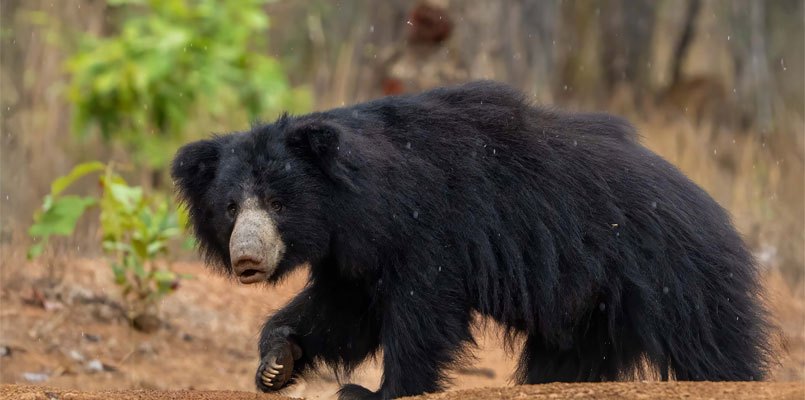
Tadoba Andhari Tiger Reserve has emerged as one of India's most exciting wildlife destinations. Located in Maharashtra, the reserve has developed a reputation for exceptional tiger sightings and high-quality safari experiences.
Unlike some parks where wildlife encounters require considerable luck, Tadoba often rewards patient visitors with remarkable sightings. Tigers are frequently observed near water bodies, forest tracks, and open clearings, providing extraordinary opportunities for photographers and wildlife enthusiasts.
The reserve's diverse ecosystem includes bamboo forests, grasslands, lakes, and wetlands that support a wide range of wildlife species. Leopards, sloth bears, wild dogs, crocodiles, deer, and numerous bird species contribute to the park's ecological richness.
One of Tadoba's greatest strengths is its relatively wild atmosphere. While tourism infrastructure continues improving, the reserve still feels less commercialized than some of India's older safari destinations.
Luxury jungle resorts surrounding the park offer comfortable accommodations while maintaining strong connections to conservation and local communities.
For travelers seeking memorable tiger safari holidays in India, Tadoba deserves a place among the country's finest wildlife destinations.
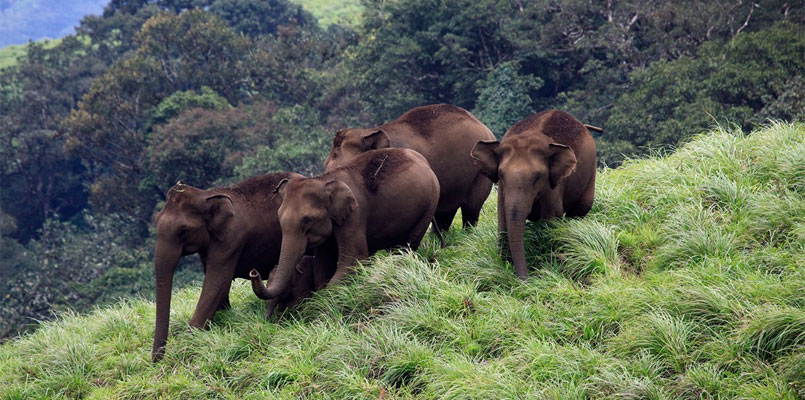
Periyar National Park offers a safari experience unlike any other in India. Located in Kerala's Western Ghats, the reserve combines wildlife conservation with eco-tourism, scenic beauty, and sustainable travel initiatives.
The centerpiece of the park is Periyar Lake, where boat safaris allow visitors to observe wildlife from the water. Elephants frequently gather along the shoreline, while deer, birds, and other animals can often be seen near the lake's edge.
The surrounding forests support a wide variety of wildlife including leopards, gaur, wild boar, and numerous bird species. The landscape itself is equally impressive, featuring dense evergreen forests, hills, and waterways that create a peaceful and visually stunning environment.
One of Periyar's unique strengths is its focus on responsible tourism. Guided nature walks, bamboo rafting, trekking programs, and community-based tourism initiatives provide opportunities for deeper engagement with the ecosystem.
Travelers interested in eco-tourism in India frequently rank Periyar among the country's most rewarding wildlife destinations.
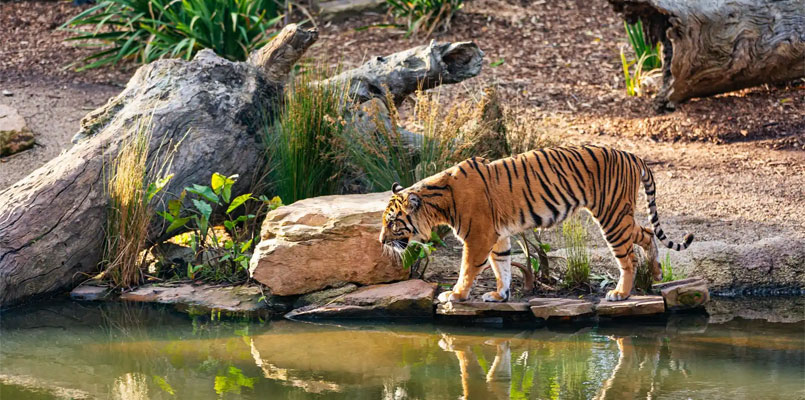
The Sundarbans represent one of the most unique ecosystems on Earth. Located in West Bengal, this UNESCO World Heritage Site forms part of the world's largest mangrove forest and supports an extraordinary variety of wildlife.
The reserve is most famous for its population of Bengal tigers, which have adapted to the challenging conditions of the mangrove environment. Unlike tiger reserves where safaris take place primarily by vehicle, exploration in the Sundarbans often involves boats navigating complex networks of waterways.
The landscape itself becomes a major attraction. Mangrove forests, tidal rivers, mudflats, and remote islands create an atmosphere unlike any other national park in India.
Wildlife sightings may include crocodiles, spotted deer, fishing cats, monitor lizards, dolphins, and numerous bird species. Every journey through the Sundarbans feels like an expedition into one of the planet's most remarkable wilderness areas.
For travelers seeking unusual and adventurous wildlife experiences in India, the Sundarbans remain unmatched.
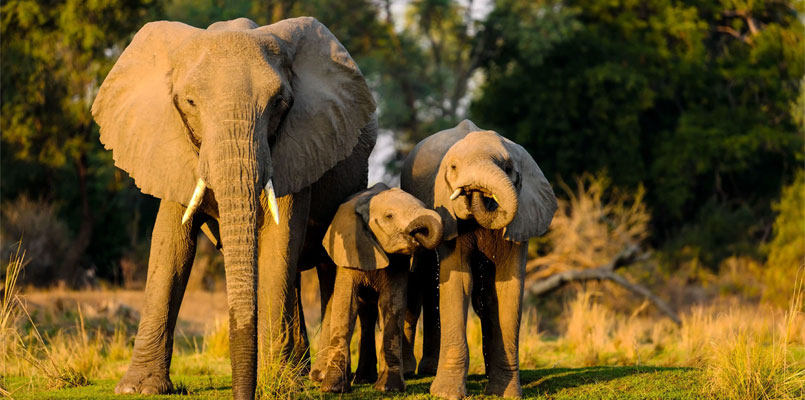
Part of the larger Nilgiri Biosphere Reserve, Nagarhole National Park ranks among southern India's premier wildlife destinations. The reserve's forests, rivers, grasslands, and wetlands create ideal habitats for a wide range of animal species.
Elephants are particularly abundant, and visitors frequently encounter large herds moving through the forest. Tigers, leopards, gaur, deer, wild dogs, and numerous bird species further contribute to the reserve's ecological importance.
The scenic beauty of Nagarhole enhances every safari experience. Forest roads wind through landscapes that feel remarkably untouched, while rivers and water bodies attract wildlife throughout the year.
Luxury wildlife lodges provide comfortable access to the reserve while offering excellent opportunities to learn about conservation and local ecosystems.
Nagarhole consistently ranks among the finest wildlife safari destinations in South India.
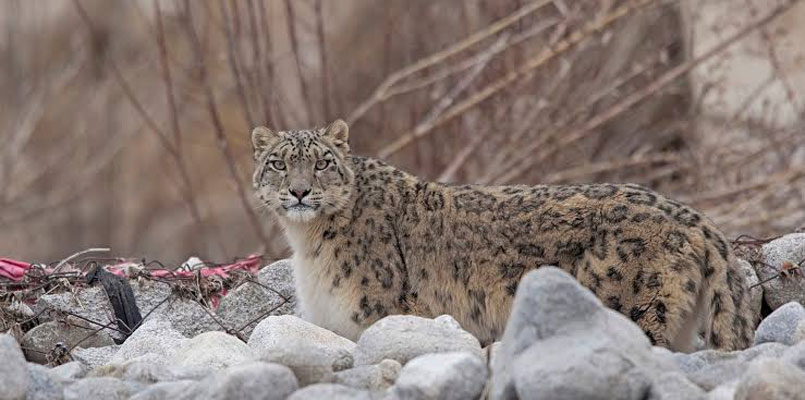
Located in Ladakh, Hemis National Park offers a completely different wildlife experience compared to India's tropical and subtropical reserves. The park protects a high-altitude cold desert ecosystem and is globally famous for its snow leopard population.
The rugged mountains, dramatic valleys, and remote landscapes create one of the most spectacular wilderness environments in Asia. Spotting a snow leopard requires patience, expertise, and favorable conditions, but the possibility attracts wildlife enthusiasts from around the world.
In addition to snow leopards, the park supports Himalayan wolves, blue sheep, ibex, foxes, and a variety of high-altitude bird species.
The experience of exploring Hemis extends beyond wildlife viewing. The scenery itself is extraordinary, offering visitors opportunities to experience one of the world's most remote and beautiful mountain environments.
For serious wildlife enthusiasts, Hemis represents one of the ultimate wildlife adventures in India.
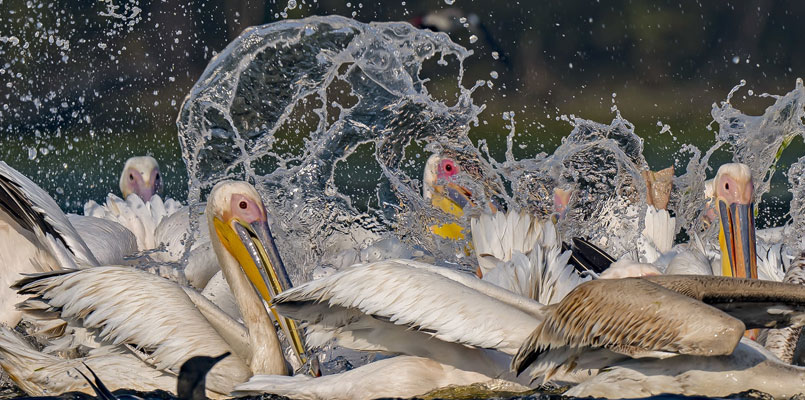
Keoladeo National Park in Rajasthan is internationally recognized as one of the world's most important bird sanctuaries. Formerly known as Bharatpur Bird Sanctuary, the reserve attracts birdwatchers, photographers, and nature enthusiasts from across the globe.
The park's wetlands support hundreds of resident and migratory bird species. During migration seasons, visitors can observe an astonishing variety of waterfowl, raptors, storks, cranes, herons, and other species.
Unlike many national parks that focus primarily on large mammals, Keoladeo demonstrates the incredible richness of avian biodiversity. Walking trails, bicycle routes, and guided tours allow visitors to explore the reserve at a relaxed pace.
The peaceful atmosphere and exceptional birdlife make Keoladeo one of the most rewarding birdwatching destinations in India.
From the Asiatic lions of Gir and rhinos of Kaziranga to the tigers of Ranthambore and elephants of Periyar, every national park offers a completely different wildlife experience.
Few countries offer the wildlife diversity found in India. Travelers can search for tigers in central forests, observe lions in Gujarat, track snow leopards in the Himalayas, cruise through mangrove forests in the Sundarbans, and watch elephants gather beside lakes in Kerala.
This incredible variety ensures that every wildlife enthusiast can find experiences suited to their interests. Conservation efforts have helped many species recover while creating sustainable tourism opportunities that benefit local communities and ecosystems.
For photographers, birdwatchers, conservationists, families, and adventure travelers, India's national parks provide some of the most rewarding wildlife experiences available anywhere in the world.
If you would like a customized India wildlife tour package, tiger safari itinerary, luxury jungle holiday, birdwatching tour, photography expedition, or private nature journey, contact Mr. Bhagwan Soni and the team at India World Wide Travel.
With more than three decades of experience in Indian travel, they provide personalized safari itineraries, professional naturalist-guided experiences, handpicked wildlife lodges, and seamless travel planning across India's leading national parks.
Phone: +91-9413901196
Email: info@indiaworldwidetravel.com
Post By :- Admin On | 15 Jul 2026
Ranthambore, Bandhavgarh, Kanha, Tadoba, and Pench are among the top choices.
Gir National Park in Gujarat is the only natural habitat of the Asiatic lion.
Kaziranga National Park in Assam is globally renowned for its one-horned rhinoceros population.
Periyar and Nagarhole are among the most popular wildlife destinations in South India.
Yes, Hemis National Park in Ladakh is one of the world's leading snow leopard habitats.
Keoladeo National Park in Rajasthan is one of India's finest bird sanctuaries.
Yes, most major wildlife destinations offer luxury lodges and premium safari experiences.
A wildlife-focused itinerary generally requires five to ten days depending on the parks included.
Different parks have different peak seasons, but cooler months are generally preferred for safaris.
Yes, personalized safari itineraries can be created based on wildlife interests, travel style, duration, and budget.