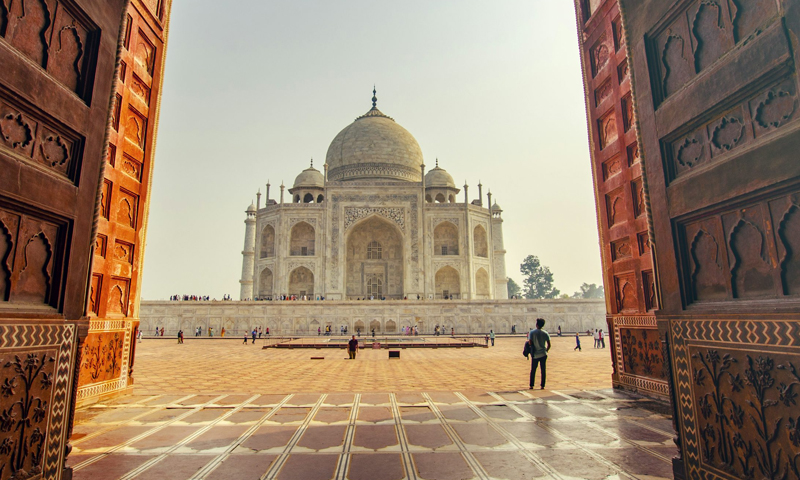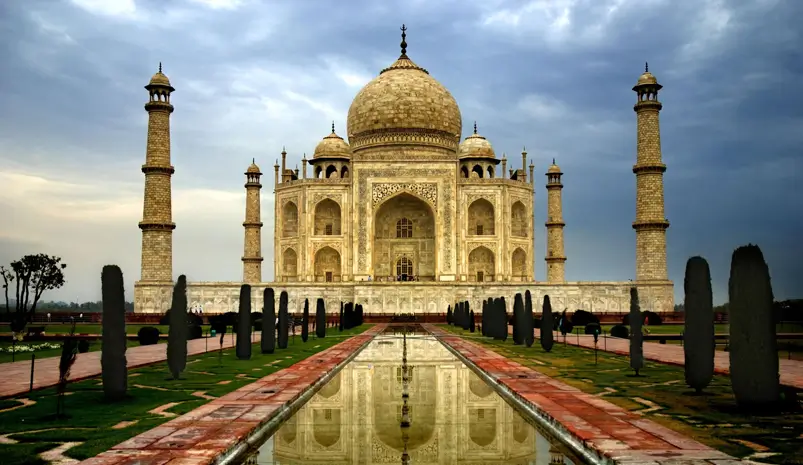



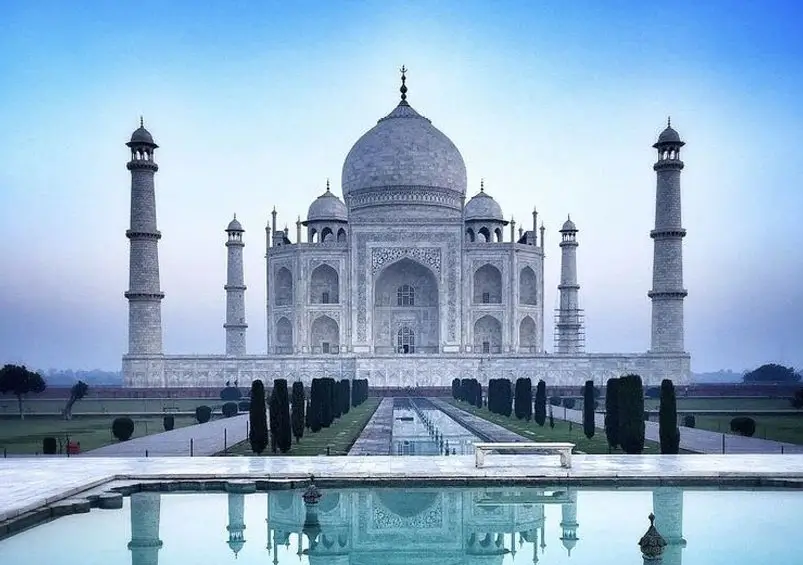
A visit to the Taj Mahal rarely ends with just one monument. Agra is a city layered with imperial history, architectural brilliance, riverfront views, and cultural depth that extends far beyond the white marble mausoleum. For travelers with limited time, especially international visitors on a tight itinerary, the areas surrounding the Taj Mahal offer a remarkable concentration of heritage sites that can comfortably be covered in a single day.
What makes Agra unique is how closely its most significant attractions are located. Within short driving distances, visitors can experience Mughal fortresses, riverside gardens, tombs, old markets, and panoramic viewpoints that together provide a complete historical and cultural narrative. Planning these nearby places properly transforms a Taj Mahal visit into a full, immersive Agra experience without rushing.
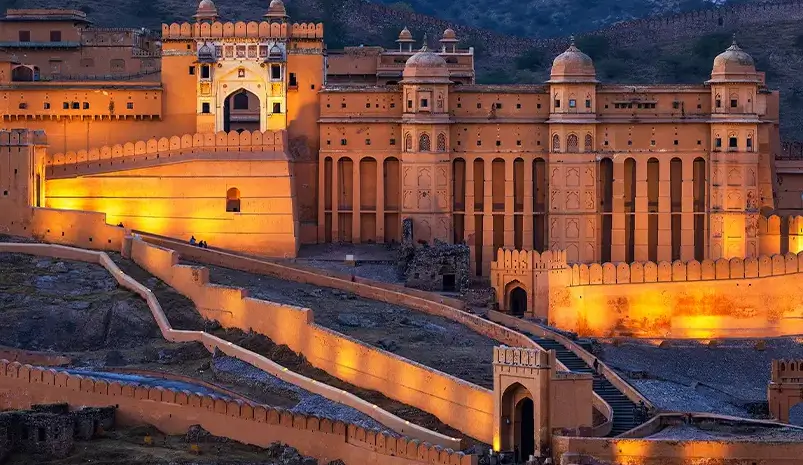
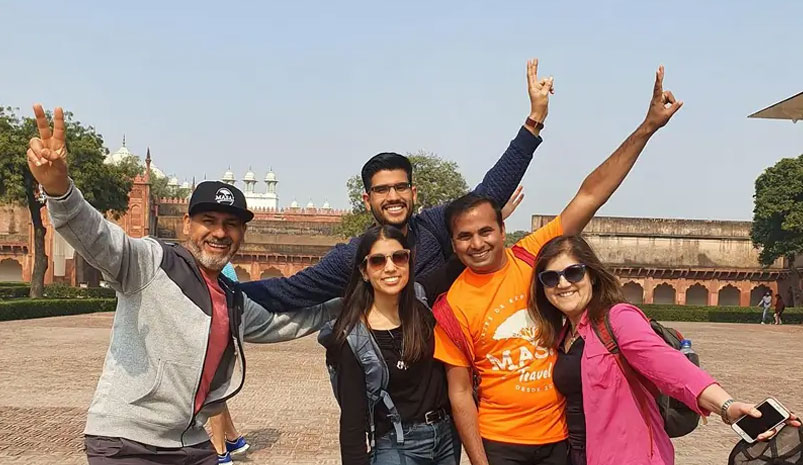
Located just a few kilometers from the Taj Mahal, Agra Fort stands as one of the most important Mughal structures in India. While the Taj Mahal symbolizes love and remembrance, Agra Fort represents power, governance, and imperial life.
Built with red sandstone and white marble, the fort served as the main residence of Mughal emperors for generations. Inside, visitors walk through royal courtyards, audience halls, palaces, and mosques that reveal how emperors ruled the subcontinent. One of the most emotionally powerful moments comes from viewing the Taj Mahal from inside the fort, through marble pavilions once used by Shah Jahan himself.
Agra Fort provides essential historical context and is widely regarded as a must-visit attraction alongside the Taj Mahal.
Visit Taj Mahal plus Agra Fort, Mehtab Bagh, Itmad-ud-Daulah (Baby Taj) & local bazaars. Enjoy customized sightseeing with private car and expert guide.
Situated directly across the Yamuna River, Mehtab Bagh offers one of the most peaceful and visually striking views of the Taj Mahal. This riverside garden was originally designed as part of the larger Mughal garden network and aligns perfectly with the Taj Mahal complex.
Unlike crowded areas near the main entrance, Mehtab Bagh allows visitors to enjoy uninterrupted views, especially during late afternoon and sunset. The symmetry between the garden and the Taj Mahal reveals how landscape planning played a critical role in Mughal architecture.
For photographers, couples, and travelers seeking a calm experience, Mehtab Bagh is often considered one of the most rewarding places near the Taj Mahal.
Often referred to as the Baby Taj, Itimad-ud-Daulah’s Tomb is a jewel-like monument located along the Yamuna River. Built before the Taj Mahal, it is believed to have inspired many of the design elements later perfected in the larger mausoleum.
This tomb is notable for its intricate marble lattice screens, delicate stone inlay, and refined proportions. Unlike the grand scale of the Taj Mahal, the Baby Taj offers an intimate viewing experience, allowing visitors to observe craftsmanship up close.
Many travelers find this monument surprisingly charming and less crowded, making it an excellent addition to a one-day Agra itinerary.
Near Agra Fort lies Jama Masjid, one of the largest mosques built during the Mughal period. Constructed by Shah Jahan’s daughter, it reflects the religious and social life of imperial Agra.
The mosque’s spacious courtyard, red sandstone façade, and white marble detailing create a strong visual contrast. Visiting Jama Masjid also provides insight into daily life in Old Agra, where markets, bazaars, and traditional shops still operate much as they did centuries ago.
This stop adds a spiritual and cultural layer to the Taj Mahal visit.
For travelers interested in local culture, Kinari Bazaar offers a lively glimpse into Agra’s traditional commerce. Located near Jama Masjid, this market is known for handicrafts, marble souvenirs, jewelry, textiles, and local sweets.
Walking through the narrow lanes introduces visitors to everyday life, artisanal skills, and regional flavors. While shopping is optional, the sensory experience of colors, sounds, and aromas provides a valuable cultural contrast to monument sightseeing.
A short visit here fits easily into a one-day plan and enriches the overall experience.
Get a customized Agra sightseeing plan, private car, and certified tour guide for a hassle-free journey.
Close to the eastern gate of the Taj Mahal, the Taj Nature Walk offers a refreshing natural environment with walking trails and viewpoints. This ecological park allows visitors to see the Taj Mahal framed by greenery rather than crowds.
Birdlife, quiet paths, and river views create a relaxed atmosphere, ideal for travelers who appreciate nature alongside heritage. The park also provides alternative angles of the monument that many visitors miss.
This stop is especially appealing for those seeking balance between sightseeing and relaxation.
The Mughal Heritage Walk connects several lesser-known sites near the Taj Mahal through village paths and riverbanks. This guided walk introduces travelers to traditional homes, local stories, and views of Mughal-era structures rarely included in standard itineraries.
The walk reveals how local communities coexist with world heritage sites and offers meaningful interactions beyond monument gates. It provides historical depth while supporting responsible tourism.
For culturally curious travelers, this experience adds authenticity to a one-day visit.
Located slightly outside central Agra, Akbar’s Tomb at Sikandra is an optional stop for travelers with extra time. The monument reflects a blend of Islamic, Hindu, and Persian architectural styles, symbolizing Akbar’s inclusive philosophy.
Set within large gardens, the tomb complex offers a tranquil environment and architectural diversity distinct from the Taj Mahal. While not essential for a short visit, it complements the Mughal narrative for those interested in broader history.
A well-planned route allows visitors to cover the Taj Mahal and nearby attractions comfortably without fatigue. Starting early in the morning helps avoid crowds and heat, especially at the Taj Mahal and Agra Fort. Midday visits can focus on indoor or shaded sites, followed by riverfront views and gardens in the evening.
Travel time between sites is short, making it feasible to experience multiple landmarks while still allowing moments of rest and reflection.
The Taj Mahal represents only one chapter of Agra’s history. The nearby attractions reveal the political, spiritual, artistic, and social context that shaped the monument. Together, they form a complete story of the Mughal era and its enduring influence.
By exploring these places, visitors gain a deeper understanding of why the Taj Mahal exists, how it was supported, and what life around it looked like.
Post By :- Admin On | 27 Dec 2025
Yes, with proper planning and efficient transport, they can be covered comfortably.
Mehtab Bagh and Taj Nature Walk are located very close to the monument.
Yes, it provides essential historical context and stunning views.
Most sites are accessible, though some walking is required.
Local markets offer authentic crafts but visitors should shop carefully.
Yes, most monuments have individual entry tickets.
Photography is generally permitted, with some restrictions indoors.
Most attractions are within short driving distances.
Yes, local guides cover combined Agra sightseeing tours.
One day is sufficient for major highlights near the Taj Mahal.