


India’s spiritual landscape is not confined to one religion, philosophy, or ritual. It is layered, ancient, and deeply experiential. A thoughtfully curated Spiritual India Group Tour offers more than sightseeing; it invites reflection, connection, and understanding. From the rhythmic chants along the Ganges in Varanasi to the serene marble corridors of the Golden Temple in Amritsar and the meditative stillness of Bodh Gaya, each destination carries profound emotional resonance.
Traveling as a group enhances this journey. Shared silence during an evening prayer, collective awe witnessing sacred rituals, and thoughtful conversations after temple visits create bonds that extend beyond tourism. For international travelers especially, India’s spiritual traditions can feel overwhelming without structured guidance. A well-designed group itinerary ensures that sacred spaces are approached respectfully and comfortably.
Understanding context is crucial. Each of these destinations represents different faith traditions—Hinduism, Sikhism, and Buddhism—yet together they form a unified narrative of spiritual India. Planning such a journey requires careful pacing, cultural orientation, and seamless logistics. When done correctly, it becomes transformative rather than merely observational.
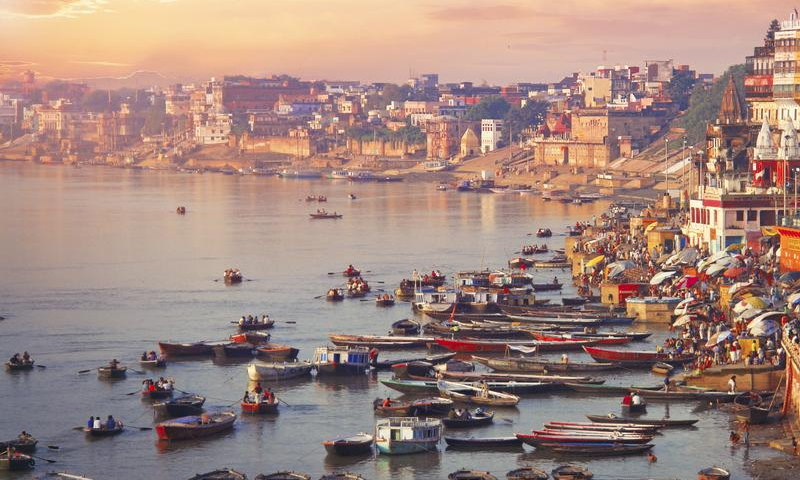
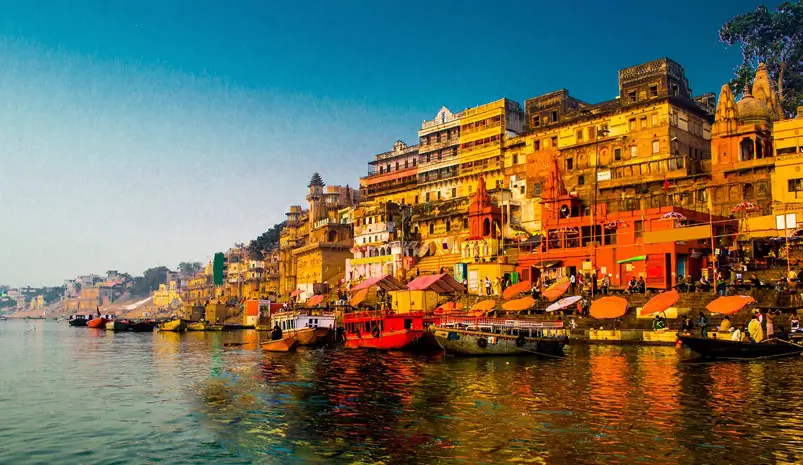
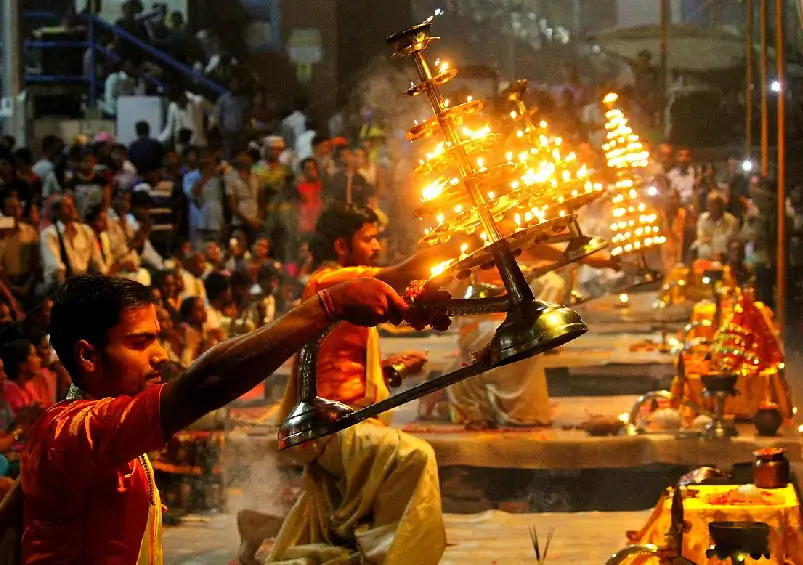
Varanasi is often described as the spiritual heart of India. Situated along the banks of the River Ganges, it is one of the oldest continuously inhabited cities in the world. A Varanasi Ganga Aarti experience forms the emotional centerpiece of many spiritual journeys. As evening descends, priests in saffron robes gather on the ghats, performing synchronized rituals with oil lamps, incense, and rhythmic chanting.
For group travelers, witnessing this ceremony from a private boat on the Ganges offers both comfort and immersion. The flickering flames reflected on water, combined with temple bells and devotional songs, create a multisensory atmosphere that feels both intimate and grand.
Morning boat rides reveal a different dimension. Pilgrims perform rituals at sunrise, and life unfolds along the ghats in a way that feels timeless. Guided walks through narrow lanes introduce participants to ancient temples and local artisans crafting ritual items.
Varanasi can be intense for first-time visitors due to its dense lanes and sensory energy. Traveling as part of a guided spiritual tour in India ensures contextual understanding and logistical ease. The city’s spiritual vibrancy leaves lasting impressions, often prompting personal introspection among travelers.
Experience the true essence of India through a deeply enriching spiritual journey across its most sacred destinations. From ancient temples and holy rivers to peaceful ashrams and meditation centers.
The Golden Temple Amritsar, also known as Harmandir Sahib, represents the spiritual center of Sikhism. Surrounded by a sacred pool, the temple’s golden façade radiates tranquility. Visitors from all faiths are welcomed, reflecting Sikhism’s inclusive philosophy.
Group visits are best arranged early in the morning or late evening when the atmosphere feels serene. Walking barefoot along marble pathways, covering one’s head respectfully, and participating in the communal meal known as langar create immersive experiences.
The langar tradition embodies equality and service. Volunteers prepare and serve meals to thousands daily, regardless of background. For group travelers, sitting together on the floor sharing this meal often becomes a humbling highlight.
Professional guides provide historical insight into Sikh history and the temple’s significance. Understanding the resilience and values embedded in this sacred space enriches the visit beyond visual admiration.
Amritsar’s spiritual calm contrasts beautifully with Varanasi’s intensity, offering balance within the broader India pilgrimage tour.
Bodh Gaya holds immense significance in Buddhism as the site where Siddhartha Gautama attained enlightenment under the Bodhi Tree. The Mahabodhi Temple complex stands as a UNESCO-recognized spiritual landmark attracting pilgrims worldwide.
The atmosphere in Bodh Gaya differs from other Indian spiritual cities. Meditation centers, prayer flags, and international monasteries create a global yet peaceful ambiance. Group travelers often participate in guided meditation sessions within temple grounds.
Walking through the complex, observing monks in prayer, and sitting quietly near the Bodhi Tree foster reflective moments. Unlike crowded urban spaces, Bodh Gaya encourages stillness.
Incorporating Bodh Gaya into a Buddhist pilgrimage India tour allows travelers to explore philosophical teachings alongside architectural heritage. The town’s calmness complements the more dynamic energy of Varanasi and Amritsar.
A successful spiritual group tour India balances intensity and rest. Varanasi’s emotional depth may require reflective downtime before moving onward. Amritsar offers structured calm, while Bodh Gaya provides meditative quiet.
Intercity travel should be planned carefully, using short domestic flights where possible to reduce fatigue. Hotel selection near temple complexes minimizes unnecessary transportation.
Allowing free time for personal reflection enhances the journey’s authenticity. Not every moment needs to be guided; some of the most meaningful insights emerge during quiet contemplation.
Respecting local customs ensures harmonious experiences. Modest clothing covering shoulders and knees is advisable at all sacred sites. Removing footwear before entering temples remains standard practice.
Photography guidelines vary by location, so group leaders should clarify restrictions in advance. Maintaining quiet demeanor during prayers demonstrates respect.
Cultural orientation before arrival prepares travelers to engage thoughtfully rather than awkwardly.
Traveling as a group amplifies emotional resonance. Shared silence during rituals, group discussions about philosophical teachings, and collective reflection foster deeper understanding.
Spiritual journeys often evoke personal introspection. Having companions to discuss experiences enhances processing and connection.
These shared moments transform a simple itinerary into a meaningful pilgrimage.
Hotels selected for spiritual tours prioritize proximity and tranquility. Comfortable bedding, quiet surroundings, and hygienic dining support physical well-being.
In cities like Varanasi and Amritsar, choosing properties near sacred sites reduces travel stress. Bodh Gaya accommodations often emphasize simplicity aligned with spiritual atmosphere.
Balanced comfort ensures that physical fatigue does not overshadow emotional experiences.
Explore India’s spiritual side with a guided group tour to its most sacred places. Visit ancient temples, serene ghats.
Hydration and mindful eating are essential, especially in densely populated areas like Varanasi. Bottled water and reputable dining venues reduce health risks.
Group coordination ensures that no participant navigates complex lanes alone. Emergency contacts and travel insurance add reassurance.
Professional planning transforms potential challenges into manageable aspects of the journey.
Many groups extend their pilgrimage to Rishikesh for yoga or to Delhi for cultural contrast. Integrating diverse spiritual traditions enriches understanding.
Flexibility in extension options allows participants to customize their journey further.
Post By :- Admin On | 09 Mar 2026
Visits to sacred cities like Varanasi, Amritsar and Bodh Gaya with guided experiences.
It can be intense, but guided tours provide comfort.
Modest attire is recommended at religious sites.
Yes, it welcomes visitors from all backgrounds.
Yes, many centers offer guided meditation.
Yes, it enhances safety and coordination.
Seven to ten days allow balanced exploration.
Yes, langar meals are served daily.
Restrictions vary; guidance is advised.
Yes, itineraries can be tailored to group preferences.