

India is a culturally rich, welcoming, colourful, and deeply fascinating country—but like every major tourist destination in the world, it has a few small travel scams that visitors should be aware of. These scams are not dangerous, but they can lead to unnecessary expenses, wasted time, or mild discomfort during your trip. With a little awareness, preparation, and correct support system—especially with a trusted private driver—travelling in India becomes extremely safe, smooth, and enjoyable.
Most international travellers from the USA, UK, Australia, Europe, and Canada repeatedly share one important observation: India is safe, but you must know how to avoid unnecessary tourist traps. When travellers understand basic local behaviour and follow simple rules, India becomes one of the easiest countries to explore. The goal of this travel guide is to help you understand common tourist scams, how they work, where they happen, and how to avoid them effortlessly in 2026.
India’s tourism industry has expanded rapidly in recent years, making top cities like Delhi, Jaipur, Agra, Mumbai, Varanasi, and Udaipur busier than ever. With this growth, a few people attempt to take advantage of tourists’ lack of local knowledge. These situations usually involve overpricing, fake travel offices, misleading information, unnecessary shopping pressure, or commission-based detours.
The good news?
Most of these tricks are easy to identify and even easier to avoid—especially when you travel with a licensed private driver, book through a reputable tour company, and keep basic awareness.
This blog brings you a complete, realistic, and updated guide for 2026 to help you travel confidently, safely, and smartly across India.
Tourist areas anywhere in the world create opportunities for minor scams. India is no different. But unlike misleading rumours online, the reality is simple: India is extremely safe for both solo and group travellers. The issues usually occur only in busy markets, crowded railway stations, unregulated taxi stands, and near famous monuments—places where tourists often need quick decisions.
Knowing what to expect helps you make calm, smart choices. The best way to stay protected is to travel with a professional private driver, avoid random approaches, trust official counters, and choose pre-verified service providers.
Understanding the psychology behind these small scams also helps. Scammers target travellers who appear confused, tired after long flights, unsure of local prices, or overly trusting of strangers. Awareness keeps you ahead of these situations.
Overpricing is the most common scam tourists face when they arrive in large cities. At airports, railway stations, or crowded markets, some taxi drivers quote inflated prices hoping travellers won’t know the real fare.
They may refuse to use meters, charge night rates during daytime, or quote a single high fee for a short journey. This is not dangerous—but it wastes money and creates frustration.
The simplest solution is using a private driver, pre-booked taxi, or official airport prepaid counter. Travellers should avoid accepting rides from people approaching directly inside terminals or outside tourist attractions.
Trusting the right transportation service immediately improves your overall travel experience.
Stay protected with expert advice, verified drivers and trusted travel support. Plan your journey with confidence.
Some unofficial travel shops use misleading signboards such as “Official Tourism Office,” “Government Approved,” or “Ministry Authorized.” These are privately owned and not linked to any government department. They typically try to sell overpriced tours, hotel bookings, or railway tickets.
These shops are common around railway stations or busy areas in Delhi, Agra, and Jaipur.
A professional private driver always takes travellers only to authentic, licensed, and reputable offices. Travellers should avoid engaging with places approached through street touts.
In 2026, with digital verification tools and official websites, it is easy to avoid such scams by relying on trusted tour companies.
Many travellers encounter self-proclaimed “guides” offering their services outside monuments. Some are genuine freelance guides, but many are not trained, unlicensed, or knowledgeable. Unlicensed guides may rush the tour, ask for extra charges, or take tourists to commission-based shops.
The easy solution is asking your private driver to arrange an official, licensed monument guide. Licensed guides wear official identifications and are trained by tourism departments. They offer accurate information and protect you from unnecessary harassment inside busy monuments.
This avoids confusion, overcharging, and misleading historical explanations.
In some tourist cities, shopkeepers offer commissions to drivers or guides for bringing customers. This creates pressure on travellers to buy items they do not want. It is not dangerous, but it can be uncomfortable and time-consuming.
A reputable tour company instructs their drivers to avoid such practices. Professional private drivers who work with foreign tourists follow a no-commission policy, taking travellers only to high-quality, fixed-price places where they can browse peacefully.
Before your trip, clarifying that you prefer “no shopping detours” ensures a smooth experience.
A classic trick used in some cities is telling tourists that a monument or market is closed today due to a festival, VIP visit, or cleaning. The intention is to redirect visitors to shops or different tour services.
This scam is easily avoided by:
Experienced drivers know exact timings and keep travellers updated constantly.
Some travellers fall for unauthorised SIM card vendors who offer quick activation. These sellers often use incorrect documents, leading to SIM deactivation after a few days. It leaves travellers disconnected during an important part of their journey.
The solution is purchasing SIM cards only from official telecom stores at the airport or legitimate outlets in the city. A private driver usually takes travellers to the correct shop where activation follows proper verification.
Tourists sometimes come across people offering “better exchange rates” or “no commission” currency deals. These are unsafe and can involve counterfeit risks.
The safest places to exchange currency are:
Private drivers also suggest safe ATMs in good neighbourhoods for withdrawals.
Some websites appear official but are not authorised booking platforms. Travellers may pay for invalid tickets. India’s official ticket system is strict, and only certain platforms are genuine.
Always book through:
Travellers using unreliable websites often face cancellations, confusion, or double charges.
In busy markets, some vendors inflate prices dramatically for tourists. Bargaining is a part of Indian culture but there is a difference between fair pricing and taking advantage.
Travellers should:
This keeps the market experience enjoyable.
Some travellers encounter strangers who start long conversations and eventually ask for money, taxi sharing, or paid tours. While many people in India are genuinely kind, crowded tourist spots attract opportunists.
It is best to avoid long, unsolicited interactions with strangers who approach you without context.
Professional drivers protect you from such situations by giving correct advice and staying nearby during market visits.
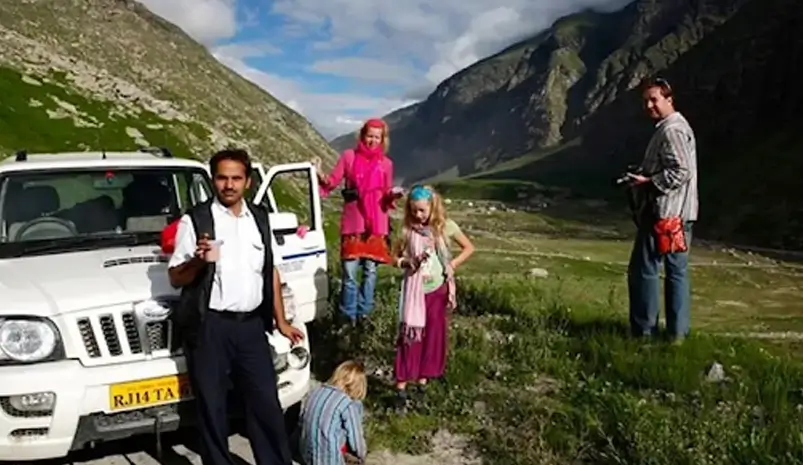
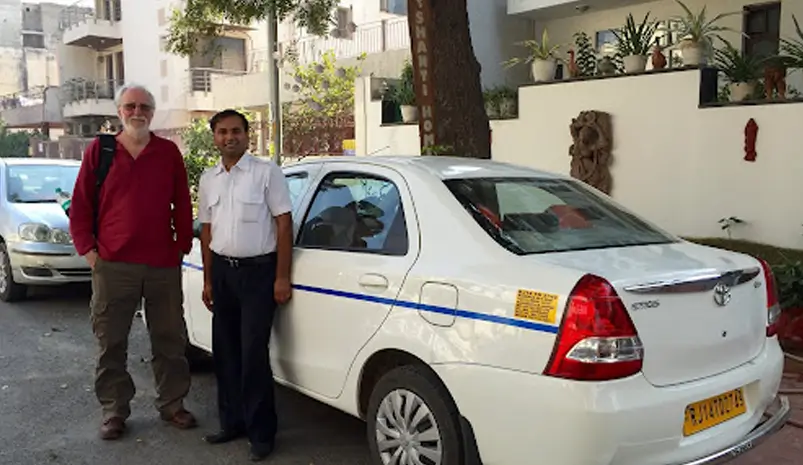
Travel companies that work with international guests understand common tourist concerns. Their drivers offer a protective shield against every type of scam mentioned above.
A private driver ensures:
Their experience makes them excellent companions who know exactly where tourists feel vulnerable.
Most travellers report that having a private driver eliminates 90% of scam exposure.
India is extremely friendly toward international tourists. Staying safe only requires simple habits:
These basics alone ensure a smooth, secure, and enjoyable journey.
Post By :- Admin On | 20 Nov 2025
India is very safe. Only small tourist scams exist, similar to other popular destinations.
Use a private driver, official apps, or airport counters.
Yes, markets are safe. Just avoid overpricing by comparing before buying.
They happen on unofficial websites. Use official platforms only.
Yes, sometimes. It’s best to avoid these interactions politely.
A few exist near stations. Always verify before booking.
Choose only licensed guides arranged by your driver or hotel.
Yes, but only at official counters or banks.
Yes, a private driver protects you from most scams.
Absolutely, with common awareness and reliable support.