


Travelling to India requires a smooth and error-free visa process, especially for international tourists arriving for the first time. With India’s modernised eVisa system, fast approval timelines, simplified online application forms, and friendly arrival procedures, getting a visa in 2026 has become far more convenient and predictable. Whether you are visiting India for sightseeing, a cultural journey, a spiritual retreat, or a private-driver-based tour, understanding the visa process ensures a relaxed and confident start to your trip.
India’s visa rules are well-structured, but most travellers make small mistakes during the application process—incorrect passport photos, wrong travel dates, incomplete reference information, or mismatched passport details. These errors can delay approval or cause unnecessary stress during arrival. This detailed visa guide explains the correct way to apply, documents required, important rules, and the best practices for tourists planning to visit India in 2026.
The goal of this guide is to help foreign travellers avoid last-minute issues, receive their visa on time, and enjoy a smooth immigration experience at the airport. With the right understanding of eVisa categories, permitted entry rules, airport procedures, and essential documents, tourists can travel confidently and comfortably.
India’s eVisa is the easiest way for international travellers to enter the country. It is fully paperless, processed online, and approved electronically. Travellers from most countries such as the USA, UK, Australia, Canada, New Zealand, European nations, Singapore, and many others can apply for an eVisa without visiting an embassy.
The eVisa allows entry for sightseeing, cultural tours, private driver journeys, spiritual travel, family visits, and short business meetings. It is designed to make travel convenient and encourage tourism.
Once approved, travellers receive a digital visa document via email, which must be printed and carried during travel. Immigration officers scan the document and verify your passport details at the airport before granting entry.
India’s eVisa is reliable, fast, and secure, making it the preferred option for tourists.
Avoid mistakes and delays while applying for your India visa. Chat with our experts on WhatsApp or contact us for complete travel assistance.
India offers multiple eVisa categories suitable for travellers depending on their purpose of visit. Most tourists entering India for sightseeing or cultural trips use the Tourist eVisa, which is ideal for multi-city private driver tours.
Other categories include eBusiness and eMedical, but the Tourist eVisa remains the most popular due to its convenience, flexibility, and fast approval process.
Tourists planning a long cultural journey often choose multiple-entry visas, which allow re-entry during the validity period. Travellers should select the correct category and validity based on their travel plans.
The eVisa requires a valid passport with clear details, a recent passport-sized photograph, a scanned bio page of the passport, confirmed travel dates, accommodation details, and sometimes travel history information.
The passport must be valid for at least six months from the date of arrival. It should have two or more blank pages for stamping. The applicant must also provide accurate personal information, including place of birth, nationality, and passport number.
These basic requirements help the authorities process the visa quickly and avoid delays.
The eVisa application process is completed entirely online through a government portal. Applicants fill in their personal details, upload documents, choose visa validity, pay the visa fee, and wait for approval.
The application form requires accuracy and attention. Passport details must match exactly. The photograph must meet Indian government standards. The address and reference information must be complete.
After submission, travellers receive a confirmation email. Visa approval generally arrives within a few days, but applying early provides peace of mind and ensures adequate processing time.
Many travellers make small errors that delay visa approval. The most common include incorrect passport numbers, mismatched names, blurry photos, uploading the wrong document format, or entering a wrong date of arrival.
Some travellers enter hotel names incorrectly, misspell cities, or provide incomplete reference details. These mistakes are avoidable with careful review before submission.
Another frequent error is using outdated passport photographs or photos that do not follow the official guidelines. Precision during application ensures smooth approval.
India’s eVisa system requires crystal-clear document uploads. The passport photograph must be in colour, with a plain light background, without shadows or glasses, and showing a neutral facial expression.
The passport bio page must be uploaded in good resolution, showing all digits, letters, and machine-readable code lines clearly. Blurry or cropped documents often lead to rejection or delays.
Travelers should ensure their accommodation details, itinerary, and return flight details are ready before applying. These details help complete the application accurately.
Travellers should ideally apply several weeks before their planned trip. Although eVisas often arrive quickly, applying too close to travel dates creates stress and leaves no room for corrections.
Applying early ensures travellers can revise mistakes if needed and gives them confidence that visa approval will arrive in time. Early applications also prevent issues related to peak-season processing delays.
Luxury travellers, senior travellers, and families often prefer applying early for complete security.
Upon arrival at Indian airports such as Delhi, Mumbai, Jaipur, Chennai, Kochi, or Goa, travellers follow a structured entry process. Immigration counters are clearly marked with “eVisa” signage.
Travellers must present their printed eVisa, passport, and arrival documentation. Officers check the visa validity, scan the passport, and stamp entry dates.
Immigration staff are professional, multilingual, and helpful. The process is straightforward when documents are clear and accurate. After this, travellers proceed to baggage claim and customs before entering the arrival hall.
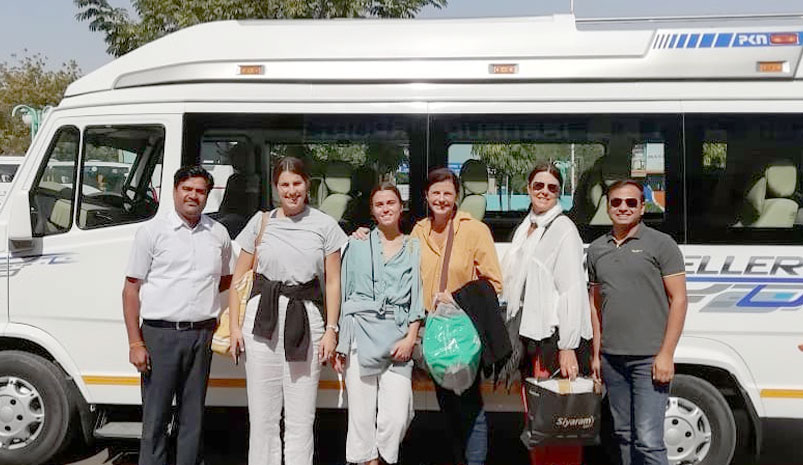
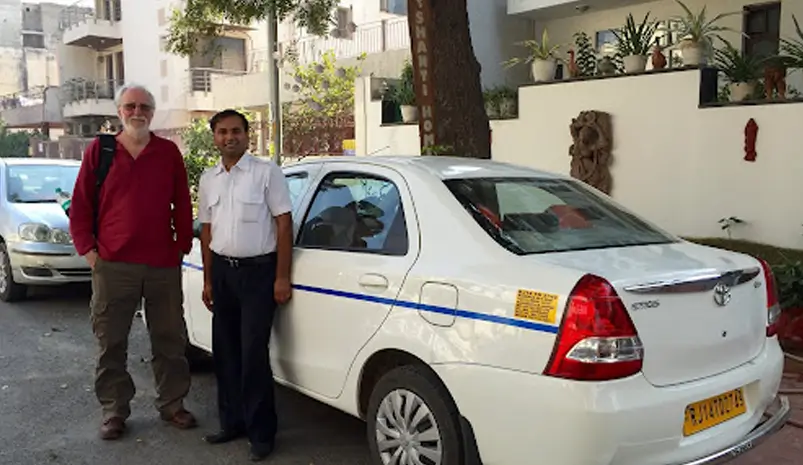
Foreign travellers with private drivers enjoy a smooth transition because their driver usually waits at the arrival gate with a placard, assisting with luggage and transfers.
If a traveller notices an error after submitting the online form—such as a misspelled name, incorrect passport number, or wrong date—they may need to reapply. The system does not allow modifications once the application is submitted.
This makes double-checking every detail extremely important. Reviewing information carefully before clicking submit helps avoid reapplication fees or delays.
India’s eVisa validity begins from the date of approval, not the date of travel. Tourists should confirm their travel dates match the visa window. Overstaying a visa is not permitted and may lead to penalties.
Travellers must leave the country before the visa expiration date. If they choose a multiple-entry visa, they must check the specific validity period and allowed number of re-entries.
Understanding validity rules ensures compliance and a smooth immigration experience.
Travellers should avoid sharing passport or visa details with unknown parties. Keeping digital and physical copies of the visa helps avoid confusion during travel. Storing copies in different bags ensures backups are available in case of loss.
The original passport must remain safe at all times. Hotels often request passport photocopies, not originals, during check-in. Private drivers also assist travellers by guiding them on safe document management habits.
India has multiple international airports offering visa-on-entry support for eVisa holders. Delhi, Mumbai, Chennai, Bengaluru, Hyderabad, Kochi, Goa, and Jaipur are equipped with modern immigration facilities.
Delhi and Mumbai remain the largest hubs with the most efficient immigration procedures. Travellers planning private driver tours often prefer entering through Delhi because major circuits such as Agra, Jaipur, and Rajasthan are nearby.
Selecting the right airport improves overall trip flow and reduces long-distance travel on the first day.
Tourists visiting multiple cities—such as Delhi, Agra, Jaipur, Jodhpur, Udaipur, Varanasi, or Kerala—do not need different visas. A single tourist eVisa covers all internal travel within India.
Travellers must keep their passports handy during domestic flights and hotel check-ins. Private driver guests enjoy seamless intercity travel because the driver manages hotel entries, luggage, and travel timings.
Internal movement within India is easy, comfortable, and permitted under the same visa.
Families travelling with children must apply separately for each traveller. Even infants require their own visa and passport. Parents should ensure full accuracy in the child’s passport data during the application.
Couples travelling together should apply simultaneously using correct hotel information. Hotels in India welcome couples openly, and no special visa category is required for romantic or honeymoon travel.
The eVisa system may require a working email address and a reachable contact number. Travellers must use an email ID they can access easily during travel. Visa confirmation and updates arrive via email.
The payment process supports international cards. Travellers should ensure their bank allows international transactions before starting the payment.
Using reliable internet during the application helps avoid failed submissions.
Travellers arriving in India with a private driver feel immediate comfort and guidance during arrival. Drivers assist in locating exit gates, managing luggage, buying SIM cards, currency exchange, withdrawing cash safely, and navigating the airport surroundings.
They also help confirm hotel addresses, which must match visa details. Their presence removes the stress of arrival and ensures a smooth start to the trip.
Drivers who regularly work with foreign tourists understand visa papers, immigration slips, and arrival procedures, offering friendly support if travellers feel unfamiliar with the process.
Yes, the eVisa system is modern, efficient, and widely used by international tourists.
Applying a few weeks before travel ensures peace of mind.
Yes, every traveller, including infants, requires a separate visa.
Carrying a printed copy is recommended for smooth immigration.
Only designated eVisa airports allow entry, such as Delhi and Mumbai.
Tourist eVisas typically cannot be extended.
Your passport must be valid for at least six months from arrival.
Hotel details are usually sufficient.
Yes, internal travel is fully allowed.
A private driver makes arrival safer, smoother, and more comfortable.