


India is one of the world’s most exciting wildlife destinations, home to majestic Bengal tigers, Asiatic elephants, leopards, crocodiles, rare birds, dense forests, and dramatic landscapes that create unforgettable safari experiences. International travellers often describe India’s national parks as vibrant, raw, and deeply immersive—an incredible contrast to the country’s royal palaces, lakes, and bustling cities.
Exploring India’s jungles with a licensed naturalist and traveling comfortably with a private driver transforms your safari into a safe, organised, and enriching experience. Whether you choose the tiger-rich forests of Ranthambore, the elephant corridors of Jim Corbett, the lush reserves of Kabini, or the iconic tiger belts of Bandhavgarh and Kanha, each location offers a unique blend of scenery, wildlife, serenity, and storytelling.
Wildlife tourism in India has grown considerably, and 2026 brings improved safari booking systems, eco-friendly lodges, upgraded vehicles, trained naturalists, and stronger conservation rules. For foreign travellers, this means more comfort, better safety, reliable organization, and deeper learning opportunities.
This detailed 2026 guide explains the best national parks, how safaris work, what to expect, the role of a private driver, recommended lodges, travel tips, photography advantages, and essential things every foreign tourist should know before entering the Indian wilderness.
India is home to some of the world’s most dramatic wildlife experiences. Its national parks protect endangered species like Bengal tigers, Asiatic lions, one-horned rhinos, sloth bears, barasingha deer, black panthers, snow leopards, and over 1300+ species of birds.
Each reserve offers a different ecosystem:
Ranthambore’s dry forests and fort ruins
Bandhavgarh’s rocky cliffs
Kanha’s meadows
Jim Corbett’s rivers
Kaziranga’s grasslands
Kabini’s lush jungles
The variety makes India ideal for wildlife enthusiasts, photographers, nature lovers, families, and luxury travellers. Safaris offer thrilling yet safe adventures that balance comfort with wilderness.
India’s dedication to wildlife conservation also contributes to rich animal sightings. National parks follow strict regulations, limited vehicle entries, fixed safari paths, and trained naturalists—ensuring responsible and meaningful wildlife tourism.
Discover India’s most famous national parks, tiger reserves, and wildlife experiences. Talk to our safari experts on WhatsApp and customize your wildlife tour in India today.
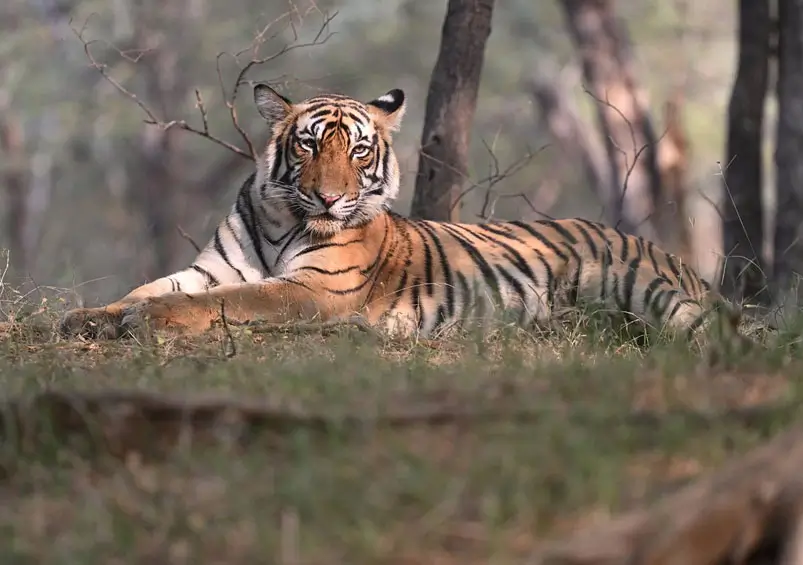
Ranthambore, located in Rajasthan, is one of India’s most popular destinations for tiger sightings. The landscape includes ancient fort walls, lakes, and open forest areas that make wildlife photography extraordinary. The tigers of Ranthambore are famously bold, often seen walking across tracks, resting near lakes, or lounging on fort ruins.
For foreign travellers, Ranthambore offers excellent accessibility, comfortable lodges, close proximity to Jaipur, and a smooth travel flow with a private driver. Safari bookings are reliable, naturalists are well-trained, and lodges offer curated jungle experiences.
Ranthambore is ideal for travellers wanting a high chance of seeing tigers within a shorter trip. Safari routes include lakes, valleys, cliffs, and the magnificent Ranthambore Fort towering above the forest.
Jim Corbett in Uttarakhand is India’s oldest national park and home to elephants, tigers, deer, crocodiles, and rich birdlife. It is one of the most beautiful reserves with rivers, dense forests, mountain views, and wide-open grasslands.
Many foreign travellers visit Corbett for its calm atmosphere and diversity of wildlife. Elephant herds frequently move across the riverbanks, making it a unique experience unlike the tiger-centric parks of central India.
Safari experiences range from riverbed drives to dense forest routes. With a private driver, travellers enjoy a smooth journey from Delhi to Corbett, comfortable resort stays, riverside walks, and scenic nature experiences.
Bandhavgarh in Madhya Pradesh is one of India’s most iconic tiger reserves. It is known worldwide for its high tiger density and dramatic landscapes. The forest offers rocky hills, ancient ruins, and open meadows where tigers often rest or stroll.
Foreign tourists looking for the strongest chance of tiger sightings often prioritise Bandhavgarh. Safari experiences feel intimate, with trained guides explaining tiger behaviour, forest patterns, and conservation stories.
Bandhavgarh is ideal for photographers who want close, clear, and natural sightings of wildlife.
Kanha’s meadows, tall sal forests, winding rivers, and golden grasslands make it India’s most visually stunning tiger reserve. The landscape inspired Rudyard Kipling’s Jungle Book. Travellers witness barasingha deer, leopards, birds, and occasionally tigers crossing sunny meadows.
Luxury travellers enjoy premium lodges around Kanha that offer cultural evenings, nature walks, organic meals, spa services, and personalised safari routes. A private driver ensures smooth transfers between Kanha and nearby cities.
Kanha is ideal for travellers looking for a peaceful, slow, and deeply natural wildlife experience.
Kaziranga in Assam offers a completely different wildlife experience. Instead of focusing on tigers, this UNESCO World Heritage Site is famous for its one-horned rhinoceros, elephant herds, swamp deer, and wetland birds.
Travellers explore beautiful grasslands, river routes, and forest areas. Safari jeeps offer panoramic views of the landscape, and sightings of rhinos are frequent and spectacular.
Kaziranga is ideal for travellers who want a diverse wildlife experience beyond tigers.
Kabini in Karnataka is known for its lush forests, peaceful atmosphere, and the rare black panther, famously called "Saya". The reserve is home to leopards, elephants, birds, deer, and beautiful forest lakes.
Luxury lodges like Evolve Back and The Serai elevate Kabini’s charm with premium rooms, river views, private dining, and eco-friendly architecture.
Kabini is ideal for high-end travellers wanting comfort and wilderness together.
Gir in Gujarat is the only place in the world to see the Asiatic lion. The dry, rugged landscape offers a unique safari experience with lion prides seen resting near tracks, waterholes, and open plains.
Foreign travellers find Gir to be a rare and rewarding wildlife park because it offers a species not found anywhere else globally.
Periyar Wildlife Sanctuary in Kerala offers boat safaris where travellers spot elephants, bison, and birds along the lake. Unlike northern parks, Periyar feels gentle, tropical, and green—perfect for travellers wanting a peaceful jungle experience.
Nearby hill towns also offer spice plantations, soft walking trails, and premium resorts, making it perfect for seniors and honeymoon travellers.
The ideal safari season is October to June. Winter months offer comfortable temperatures and scenic forests. Summer months offer stronger chances of tiger sightings because animals gather around waterholes.
Monsoon months usually remain closed to protect forest soil and wildlife.
Travellers prefer winter for comfort and summer for photography.
Safari slots in India are limited. Each reserve offers morning and afternoon safaris with regulated entry gates. It is important to book safaris early, especially in Ranthambore, Bandhavgarh, and Kanha.
Foreign travellers often rely on hotels or private drivers to manage safari bookings, guides, and vehicle arrangements. Naturalists accompany guests during the safari to explain animal behaviour, tracking, geography, and park history.
Booking early ensures you get the best zones, experienced guides, and comfortable jeeps.
Safaris operate in open jeeps, allowing travellers clear views and excellent photography angles. Drives follow designated routes, ensuring responsible tourism.
Travellers may spot:
Wildlife sightings depend on luck and timing, but every safari has a magical quality thanks to forest sounds, golden light, fresh air, and immersive landscapes.
Foreign travellers should dress in soft colours—olive, beige, brown, or light green. Bright colours should be avoided. Carry water bottles, hats, sunglasses, sunscreen, and soft scarves.
Comfortable shoes, long pants, and layered clothing help during winter mornings. Safari jeeps carry blankets in cold months. Wildlife tourism in India is extremely safe, as parks follow strict rules and trained naturalists guide every drive.
India’s safari lodges offer world-class comfort. Many are located just minutes from park gates and provide spacious rooms, private balconies, jungle views, organic meals, fireplaces, and nature walks.
Foreign travellers enjoy:
Private bush dinners
Poolside relaxation
Cultural evenings
Wildlife documentaries
Nature trails
Birdwatching walks
Spa therapies
The combination of luxury hospitality and wilderness makes the safari experience unforgettable.
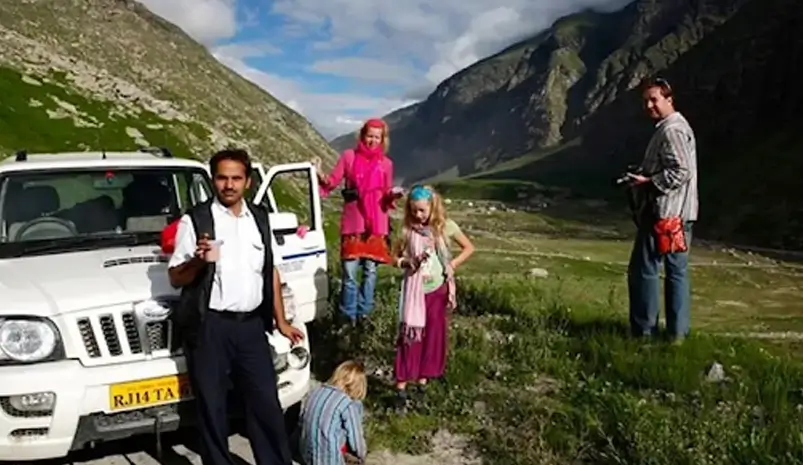
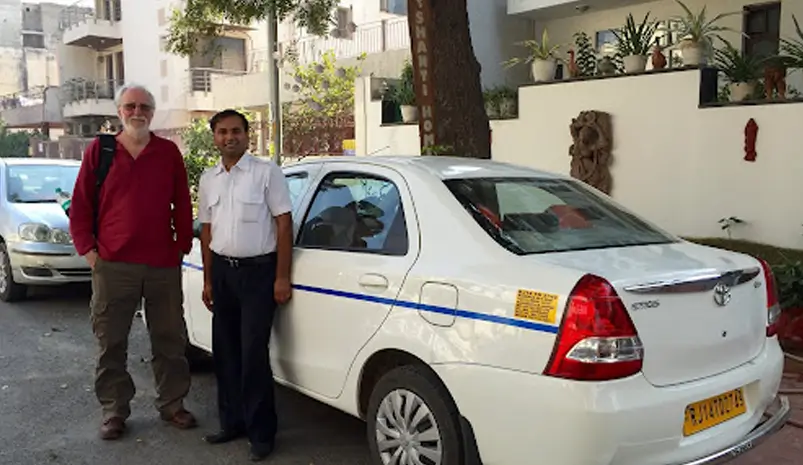
Indian wildlife parks are located away from big cities. A private driver ensures smooth, comfortable, and safe travel between cities and forests. Drivers manage long drives, assist with safari timings, help with lodge coordination, and provide reliable support throughout the journey.
Foreign travellers appreciate having a driver who:
Handles luggage
Navigates remote forest roads
Chooses safe food stops
Understands safari schedules
Prevents stress during transfers
The driver becomes your connection between cities, hotels, and forests—creating a seamless adventure.
India’s forests offer incredible photography opportunities. Morning safaris have soft golden light, while evening safaris offer warm tones and dramatic shadows. Travellers should bring zoom lenses, spare batteries, memory cards, and lens protection.
Drivers and naturalists help position jeeps correctly, offering better angles for tigers, elephants, and birds. Patience and silence during safaris increase the chances of observing wildlife naturally.
Bandhavgarh and Ranthambore offer the best chances.
Yes, national parks follow strict safety rules.
Jim Corbett and Kabini are excellent choices.
Yes, a private driver makes intercity travel smooth and safe.
October to June is ideal.
Yes, but with parental supervision.
It is possible but not guaranteed; early booking is safer.
Yes, open jeeps are sturdy and designed for wildlife viewing.
India offers outstanding safari lodges and jungle resorts.
No, but India’s parks offer high chances with multiple safaris.